Home organisers working away from sockets
You photograph, label and log belongings in different rooms and want fewer interruptions to recharge. The battery test conditions, compatible charger and size of the laptop all matter to your routine.


Choose the laptop around your catalogue software and accessories before comparing battery claims. A Windows laptop is the route to assess for Windows-only tools, a MacBook Air suits an established macOS workflow, and a Chromebook suits a browser-based catalogue. When sockets are scarce, check the exact model’s charging requirements and ports; manufacturers’ battery maximums are not directly comparable promises of cataloguing time.
You photograph, label and log belongings in different rooms and want fewer interruptions to recharge. The battery test conditions, compatible charger and size of the laptop all matter to your routine.
You have an inventory application, scanner, camera cable or external drive that you want to keep using. Check the operating system, drivers and connectors before treating a battery claim as the deciding factor.
You can maintain records in web tools or cloud spreadsheets. A Chromebook is worth considering if your photo imports and any offline work also fit that workflow.
Start with the software and files your catalogue needs, then check how the exact laptop connects and charges. The three operating-system routes suit different established workflows; none of their quoted battery figures establishes how long photo imports and record keeping will last.
Consider it when: Your catalogue depends on Windows software or connected devices. Microsoft lists USB-A, two USB-C ports and a 3:2 display on the 13-inch Surface Laptop 8th Edition.
Check first: Confirm that essential applications and drivers work with the selected Windows device; Microsoft’s stated battery maximum comes from video playback.
Consider it when: Your catalogue tools already work with macOS and USB-C connectivity suits your accessories.
Allow for: Apple lists only two Thunderbolt 4/USB-C data ports on the 13-inch M5 model, so a USB-A accessory needs an adapter or hub.
Consider it when: You can create and maintain the catalogue in browser tools and compatible synced documents.
Check first: Confirm the exact app, offline and scanner workflow in ChromeOS, along with the device’s update-support date.
| Concern | What to check | Who this matters to |
|---|---|---|
| Time away from sockets | Read the exact model’s battery test conditions and charging requirements, including USB-C Power Delivery support where relevant. | If I move between rooms to record belongings, I need enough unplugged time to avoid stopping midway. Around 36% of consumers put uninterrupted work first. |
| Photos and records | Check the selected storage configuration and decide whether photos and documents must also be accessible offline. | When each item has photos and notes, I need a practical way to store and review a growing catalogue; for around 29% of consumers, managing those records is the primary concern. |
| Software and accessories | Confirm application and driver compatibility, then match each scanner, camera cable or drive to the laptop’s ports. | If I already rely on an inventory program or wired scanner, I need that workflow to remain usable. Keeping existing tools working comes first for around 21% of consumers. |
| Browser-based cataloguing | Check the inventory service’s ChromeOS features, offline needs and the exact Chromebook’s Auto Update Expiration date. | I can keep my records in browser tools, provided the features I use still work when I need them; around 14% of consumers make that simpler workflow their main priority. |
Apple’s cited MacBook Air figures cover video streaming and wireless web use, while Microsoft’s cited Surface maximum covers video playback. Those conditions do not establish which laptop will last longer while importing photos and editing records.
Read each maker’s test conditions and leave headroom for your screen settings, connected devices and synchronisation.
Apple lists two Thunderbolt 4/USB-C data ports on the 13-inch M5 MacBook Air. A USB-A scanner, drive or camera cable will not connect directly to those ports.
List the connectors you use and check whether a suitable adapter or hub is needed for the exact laptop.
Access to browser tools and synced documents does not establish that a particular desktop application, driver or scanner will work in ChromeOS.
Check the inventory provider’s requirements for imports, exports, offline access and peripherals before choosing ChromeOS.
Scarce sockets can make a replacement charger or extension lead tempting. London Fire Brigade advises against counterfeit chargers, overloaded sockets and covered charging equipment.
Use the supplied charger or a genuine, compatible replacement from a trusted supplier, and follow the extension lead’s load instructions.
The 13-inch M5 MacBook Air is a macOS route for a catalogue built around compatible Apple software and USB-C accessories.
The 13-inch Surface Laptop 8th Edition offers a Windows route with a taller display and both USB-A and USB-C connections.
Acer’s Chromebook Plus 514 line is relevant when the household catalogue can be maintained in ChromeOS and browser-based tools.
The ThinkPad X1 Carbon Gen 13 Aura Edition is a Windows business-laptop route to consider if carrying weight and serviceability are priorities.
These models offer Chromebook, macOS and Windows routes for household cataloguing. Compare the exact configuration with your software, accessories and charging needs rather than assuming that a battery claim or operating system settles the choice.
 No image available
Consider this Chromebook for a browser-based catalogue if your inventory service and any connected devices work in ChromeOS.
The listed configuration has a 14-inch WUXGA (1920 × 1200) display, Intel Core 5 120U, 8GB RAM and a 512GB SSD. Check the exact device’s update-support date and assess battery claims against your workload.
 No image available
This is another browser-first option if your catalogue and photo-handling tools work in ChromeOS.
The listed configuration has a 14-inch WUXGA (1920 × 1200) display, Intel Core i3-1315U, 8GB RAM and a 256GB SSD. Decide whether that storage suits your local photo archive, and check the exact device’s update-support date.
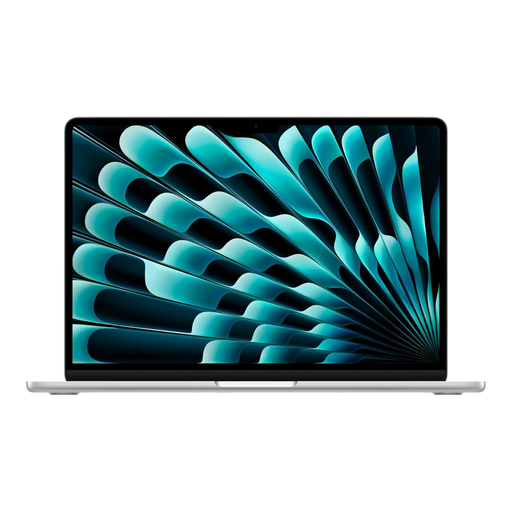 No image available
Consider this model if your inventory application works with macOS and you are comfortable using USB-C accessories or an adapter.
This Silver configuration lists an M5 chip with a 10-core CPU and 8-core GPU, 16GB memory and a 512GB SSD. Apple lists two Thunderbolt 4/USB-C data ports and USB Power Delivery charging for the 13-inch M5 model; its battery figures use video-streaming and web-use conditions.
 No image available
For a catalogue that depends on particular Windows applications or peripherals, check their compatibility with this Snapdragon X configuration before choosing it.
The listed Vivobook 14 has 16GB RAM and a 512GB SSD. Confirm the charging requirements and battery performance relevant to your routine before relying on it away from a socket.
 No image available
Consider this Windows 2-in-1 if you want to keep a substantial local catalogue of photos and records, subject to your application requirements.
The listed configuration has 16GB RAM, a 1TB SSD and Windows 11 Home. Check the exact ports before planning to connect a USB-A accessory directly, and assess its battery performance for your cataloguing routine.
No: the cited figures describe different manufacturer tests, not the same cataloguing workload. Apple quotes up to 18 hours of video streaming and 15 hours of wireless web use for the cited MacBook Air, while Microsoft’s up-to-22.5-hour Surface figure is for video playback. Allow headroom for photo imports, synchronisation and your screen settings.
Possibly, if the exact laptop and power source are compatible. Apple says the cited MacBook Air can charge from a USB Power Delivery source meeting its requirements, including a minimum of 30W; that does not establish the charging requirements of another laptop. Check each device and charger before sharing one.
A Chromebook can suit a catalogue kept in compatible browser tools and synced documents. Acer describes offline access to synced Docs, Sheets and Slides, but you still need to check your inventory service, photo workflow and any scanner. Check the exact Chromebook’s Auto Update Expiration date as well.
Use a compatible charger without overloading a socket or extension lead. London Fire Brigade advises using the supplied charger or a genuine replacement from a trusted supplier, keeping charging equipment uncovered and stopping charging if a battery swells or expands.
Check an appropriate electrical-equipment reuse or recycling route rather than putting the laptop in general household waste. GOV.UK describes the UK Waste Electrical and Electronic Equipment framework as supporting recovery, reuse and recycling; ask the retailer about take-back and check your local authority’s options.