Choose the exact screen configuration before deciding how much processing power you need: compare its stated brightness and surface treatment, because screens vary within a laptop family. For online census research, also check that your record service works in an up-to-date browser on a supported operating system. A brightness rating alone cannot tell you how a screen will look beside your particular window.
Who is this for?
Bright-window genealogy researchers
If daylight falls near your workspace, reading census images and search results takes priority over choosing specialist graphics hardware. Compare the exact panel specification and consider where you can position the screen.
Browser-based family-history subscribers
If you use services such as Ancestry or partner-hosted archive records, check your chosen service’s current desktop-browser requirements. Ancestry advises using a supported, up-to-date browser to help its pages load and display correctly.
Long-session record comparers
If you move between census pages, transcriptions and notes, think about how much screen space you want once you have found a display you can read comfortably in your usual lighting.
What matters when choosing?
Start with the exact screen, then check access to your record websites and the space you need for notes. A Windows laptop with a specified anti-glare panel and a MacBook Air offer different things to check before use beside a bright window.
Windows laptop with a specified anti-glare screen
Consider it when: You regularly work beside the window and want a conventional desktop setup for record websites.
Check carefully: Lenovo and Dell document different brightness ratings across specific configurations; the family name does not identify the panel. Microsoft says Windows 10 support ended on 14 October 2025.
MacBook Air
Consider it when: You prefer macOS and have checked your record service in a supported desktop browser.
Check carefully: Apple specifies a 500-nit display for the cited 13-inch M5 model but does not describe it as anti-glare. Ancestry lists Chrome and Firefox for computers.
| Concern |
What to check |
Who this matters to |
| Screen readability |
Check the exact panel’s stated brightness in nits and whether its surface is described as anti-glare or anti-reflection. Neither specification guarantees freedom from reflections at every window angle. |
If daylight makes census images difficult to read, I need to judge the screen I will actually receive, not just its laptop family name; around 50% of consumers put screen readability first. |
| Website access |
Check the operating system’s support status and your record service’s current desktop-browser list. Ancestry recommends a supported, up-to-date browser. |
When my research depends on an online account, I need its pages to work in a browser I can keep using; around 30% of consumers make reliable website access their primary concern. |
| Working space |
Compare screen size and resolution for viewing records alongside notes; check external-display connections if you intend to use a monitor. |
For long sessions comparing a census image with notes, I want enough room to work without choosing a laptop that is awkward to carry; around 20% of consumers prioritise that balance. |
Buying pitfalls
-
Choosing a laptop family instead of its screen configuration
Dell lists both 250-nit and 400-nit anti-glare panels within the Latitude 7450 family. Advice about one panel cannot automatically be applied to another.
Before buying, check the exact configuration’s brightness, resolution, touch status and stated surface treatment.
-
Assuming a nit rating will eliminate glare
Manufacturer brightness and surface-treatment specifications help you compare panels, but they do not describe every room or window angle.
Consider screen placement or blinds if the window causes direct reflections; check the display in your intended lighting where possible.
-
Buying a Windows 10 laptop without a support plan
Microsoft says Windows 10 support ended on 14 October 2025. That matters for a laptop used to sign in to online record services.
Check that the laptop comes with a supported operating system or confirm an appropriate continuing-support arrangement before purchase.
Brands to consider for these configurations
Lenovo
A ThinkPad configuration to examine if a specified anti-glare screen is central to your choice.
- Lenovo specifies a 14-inch, 500-nit anti-glare IPS display, Windows 11 Pro, 16GB memory and a 512GB SSD for ThinkPad X1 Carbon Gen 13 configuration 21NSCTO1WWGB2.
- Those are specifications for that configuration, not for every ThinkPad or an independent test of glare beside a window.
Dell
A Latitude route if you want to compare documented 14-inch anti-glare panel options.
- Dell documents a 400-nit anti-glare panel option for the Latitude 7450.
- The Latitude 7450 family also includes a 250-nit anti-glare option, so confirm which panel belongs to the configuration you are considering.
Apple
A macOS route if you have checked that your record service works in a suitable desktop browser.
- Apple specifies a 13.6-inch, 500-nit display, 16GB unified memory and a 512GB SSD for the cited M5 MacBook Air configuration.
- Apple’s cited display specification does not state an anti-glare treatment. For Ancestry on a computer, check its listed Chrome or Firefox browser route.
Joybuy laptop choices
These Windows laptop choices offer different screen sizes and configurations for browser-based record research. For use beside a bright window, confirm the exact panel’s brightness and surface treatment before deciding; screen size alone does not settle glare.
 No image available
ASUS Vivobook 14 X1407QA-LY003W, Snapdragon X, 16GB/512GB, Quiet Blue
Consider this 14-inch laptop if you want a smaller screen for browser-based record searches and do not need a larger built-in workspace.
The product name specifies Snapdragon X, 16GB RAM and a 512GB SSD. Check the exact panel’s brightness and surface treatment for your window position.
View on Joybuy
 No image available
HP 15-fd0060na, Core i3-N305, 4GB/128GB, Windows 11 Home S
Consider this 15.6-inch laptop if built-in screen space matters for viewing records and notes.
The product name specifies 4GB RAM, 128GB UFS storage and Windows 11 Home in S Mode. Check that S Mode accommodates the browser and any other applications you intend to use, and confirm the panel specification for bright-window use.
View on Joybuy
 No image available
Lenovo IdeaPad Slim 3 83K7009MUK, 15.3-inch WUXGA, 24GB/512GB
The 15.3-inch screen is worth considering if you want room for records and notes on the laptop itself.
The product name specifies an AMD Ryzen 5 7535HS, 24GB DDR5 RAM, a 512GB PCIe SSD and Windows 11 Home. Confirm the exact panel’s brightness before choosing it for a bright window.
View on Joybuy
 No image available
Lenovo IdeaPad Slim 3 15IAH8 83ER00G4UK, 15.6-inch, 8GB/512GB
Consider its 15.6-inch screen if you prefer more built-in space while comparing census pages with notes.
The product name specifies an Intel Core i5, 8GB RAM and a 512GB SSD. Check the exact display’s brightness and surface treatment for your window position.
View on Joybuy
 No image available
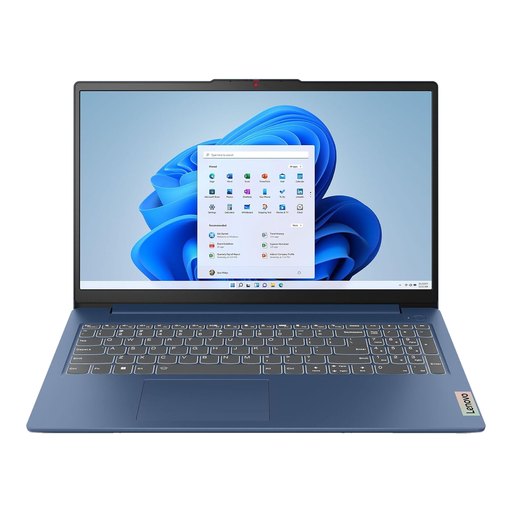
Lenovo IdeaPad 3 15IAU7 82RK0177UK, 15.6-inch, 16GB/512GB, Blue
Its 15.6-inch screen may suit you if you prefer viewing records and notes on one laptop display.
The product name specifies an Intel Core i7, 16GB RAM and a 512GB SSD. Confirm the exact panel’s brightness and surface treatment; if graphics capability matters for other work, check that configuration separately.
View on Joybuy
Common questions
Do I need specialist graphics hardware to check census records online?
For browser-based census research, start by checking screen readability, operating-system support and browser compatibility rather than selecting specialist graphics hardware. The National Archives describes online access to historical census records, and Ancestry advises using a supported, up-to-date browser for its pages.
Which browser should I use for Ancestry on a laptop?
Ancestry currently lists Chrome and Firefox for computers. Keep your chosen browser up to date and check that any other record service you use supports it too.
Is a Windows 10 laptop a sensible new purchase for this task?
A Windows 10 laptop needs a confirmed continuing-support arrangement before you rely on it for online accounts. Microsoft says Windows 10 support ended on 14 October 2025; check the operating-system version and support path of the exact laptop before buying.


