Charity treasurer handling detailed records
If you reconcile transactions, retain receipts and prepare figures for accounts, give particular attention to spreadsheet comfort, dependable file storage and controlled access to records.


For charity expense spreadsheets, receipts and browser-based bookkeeping, prioritise software compatibility, a comfortable display, adequate memory and storage, and a way to protect and back up records. A Windows business laptop is worth considering when the charity uses Windows desktop software or needs business-oriented support; for lighter browser-based work, a simpler laptop may suffice once its software and storage fit have been checked. Gaming graphics and AI features need not drive this decision.
If you reconcile transactions, retain receipts and prepare figures for accounts, give particular attention to spreadsheet comfort, dependable file storage and controlled access to records.
If most expense entry happens in a browser alongside PDFs, email and calls, check that the charity’s service and receipt workflow run on the laptop before paying for capabilities the work does not require.
If you take the laptop from your home office to meetings, consider carrying needs alongside screen space for reviewing spreadsheets. A 14-inch model is one option, provided its particular display and software setup suit your work.
Confirm the charity’s accounting and receipt software first, then choose a configuration that fits your usual mix of files, applications and desk work. Treat security and backups as setup tasks as well as purchasing considerations.
| Concern | What to check | Who this matters to |
|---|---|---|
| Access to financial records | Check operating-system support, sign-in options and how you will back up files; set up appropriate accounts for authorised users. | When I handle charity records at home, I need to keep other household users out and avoid losing receipt evidence. Around 36% of consumers put protected access and records first. |
| Accounting workflow | Confirm the charity’s software and receipt tools work on the exact device. For regular multitasking, consider 16 GB RAM and a 512 GB SSD as practical preferences, not required minimums. | If I keep spreadsheets, PDFs and bookkeeping open together, interruptions to that routine matter more than specialist graphics. Roughly 29% of consumers prioritise the accounting workflow. |
| Desk comfort and connections | Check the screen’s size and resolution, plus the connections needed for your monitor, printer, scanner or backup drive. | For long sessions matching receipts to transactions, I want to read the figures comfortably and use the equipment already on my desk. Around 21% of consumers place desk comfort and connections first. |
| Taking work to meetings | Check the model’s weight, carrying setup and sign-in protection without overlooking the screen space you need for records. | If I sometimes take expense information to a trustee meeting, carrying the laptop conveniently becomes my main consideration. Roughly 14% of consumers prioritise portability for that use. |
Microsoft lists 4 GB RAM and 64 GB storage as Windows 11 installation requirements. Meeting those figures alone does not establish that a laptop suits your combination of spreadsheets, receipt files and browser tabs.
Check the applications and files you expect to use together. Compare configurations with more memory and storage if finance work regularly involves several tasks at once.
Memory, storage, screen, operating system and accessories can vary within a named product family. A series name is not enough to identify the configuration you will receive.
Check the exact model and selected variant, including its operating system, display, charger and warranty terms.
A sign-in feature cannot protect records on an unlocked or unpatched laptop. The National Cyber Security Centre advises small organisations to protect devices that hold important information.
Use a strong, unique sign-in method, keep software updated, arrange backups and give authorised users appropriate accounts.
Included accessories depend on the particular listing: the HP ProBook 440 G11 configuration referenced here, for example, was listed without a charger.
Before ordering, check the selected bundle and whether your desk setup needs a compatible power adapter, monitor or dock.
A charger or separate desk accessories may be additional purchases when they are not part of the selected bundle.
These product lines illustrate configurations to compare; their names alone do not establish the specifications of a particular laptop.
The ProBook line is relevant if your charity wants to compare business-oriented Windows configurations for office work.
The ThinkPad E14 Gen 6 is a 14-inch business-laptop family to consider if future memory or storage changes matter to your setup.
The Latitude 5450 provides a reference point for comparing 14-inch business-laptop configurations.
These Windows laptops offer different screen sizes, memory and storage configurations for home-office expense work. Check your charity’s bookkeeping and receipt software against the exact model before choosing, particularly where processor compatibility matters.
 No image available
Consider this 14-inch laptop if you want a compact device for spreadsheets and occasional meetings, subject to confirming that your charity’s applications work with its Snapdragon X processor.
Snapdragon X; 16 GB RAM; 512 GB SSD. The named variant is a Copilot+ PC.
 No image available
This configuration is worth comparing if you use spreadsheets alongside other routine applications and want a 15.3-inch screen. Confirm the charity’s software and receipt tools before ordering.
AMD Ryzen 5 7535HS; 24 GB DDR5 RAM; 512 GB PCIe SSD; WUXGA display; Windows 11 Home; Wi-Fi 6.
 No image available
The 15-inch touchscreen may suit a home-office desk, but check that your charity’s bookkeeping and receipt applications work with the Snapdragon X Elite processor. Assess whether the 256 GB SSD fits your local-file and backup arrangements.
Snapdragon X Elite; 16 GB RAM; 256 GB SSD; PixelSense touchscreen. The named variant is a Copilot+ PC.
 No image available
Consider the larger touchscreen if expense work mainly happens at a desk and a convertible design appeals. If you will carry it regularly, check its weight and battery runtime; also confirm support for the convertible features you intend to use.
16-inch touchscreen; 2-in-1 design; Intel Core Ultra 5 226V; 16 GB RAM; 512 GB SSD; Windows 11 Home.
 No image available
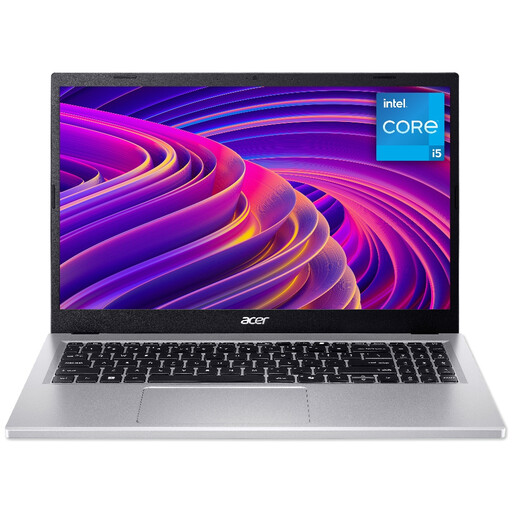
This 8 GB configuration is an option to assess for lighter browser-based expense entry. If you routinely keep several applications open, compare its memory with higher-memory configurations and check any upgrade terms before relying on a later change.
Intel Core i5-13420H; 8 GB RAM; 512 GB SSD; 15.6-inch Full HD (1920 × 1080) display.
The England-and-Wales accounting-record requirements in section 130 of the Charities Act 2011 concern keeping records, not choosing a laptop model or application. Select a device that supports your charity’s recordkeeping method; charities governed by other rules should check their applicable requirements.
For charities covered by section 131 of the Charities Act 2011, accounting records must be preserved for at least six years from the end of the financial year in which they are made. Charities in Scotland or Northern Ireland should check the requirements that apply to their jurisdiction and legal form.
They are Microsoft’s Windows 11 installation minimums, not a specification for comfortable finance multitasking. If you regularly use bookkeeping, spreadsheets, receipt files and calls together, compare configurations with more memory and storage; 16 GB RAM and a 512 GB SSD are practical options to consider, not official requirements.
Set up a strong, unique sign-in method, install operating-system and application updates, and establish a backup process for accounting files and receipts. The National Cyber Security Centre notes that laptops hold important organisational information, so give each authorised user appropriate access rather than leaving a shared profile unlocked.