Choose the computer around your course’s required applications, assessments and peripherals, rather than a general student specification. A Windows laptop is the more direct choice where a department specifies Windows-only software; a Mac needs confirmation for the exact applications and processor, while a desktop-style setup makes sense only if you do not need to carry your main computer.
Who needs which setup?
Students using specialist Windows software
If your course uses engineering applications or hardware interfaces, obtain its software and device requirements before choosing a model. The University of Bath advises a Windows laptop for its mechanical engineering course because several key applications are Windows-only; the University of Nottingham warns that ARM-based devices may not support all required engineering software or interfaces.
Students carrying one main computer
If you need your computer in lectures, accommodation and study spaces, check both portability and full coursework capability. The University of Warwick recommends a laptop for use across locations, while the University of Cambridge says students should have one they can take to lectures, supervisions and, where required, digital exams.
Students working mainly at a fixed desk
A desktop or laptop with a monitor and peripherals may suit a stable workspace, provided your course does not require you to bring your main computer to teaching or assessments. Check the software setup and connections before committing to a fixed arrangement; the University of Bristol identifies screen, graphics and port needs as course-dependent considerations.
What should you check before buying?
Establish software compatibility first, then decide where you must use the computer and what the coursework needs from its hardware.
Windows laptop
Choose when: Your department specifies Windows-only tools or advises Windows for its specialist systems, as the University of Bath does for mechanical engineering.
Keep in mind: Windows alone does not establish that a particular processor, graphics configuration or port arrangement meets your course requirements.
Mac laptop
Choose when: Your course confirms that its applications, assessments and peripherals work with the exact macOS and Mac processor generation you plan to use.
Keep in mind: The University of Bath does not recommend a MacBook for its mechanical engineering setup, and Imperial College London notes incompatibility between some packages and M1/M2 MacBooks.
Desktop-style setup
Choose when: Your course permits a fixed main computer and its software and peripherals will work at your desk.
Keep in mind: A desktop cannot come to lectures or digital assessments where a laptop is required; the University of Cambridge specifically advises students to have a laptop for those uses where applicable.
| Concern |
What to check |
Who this matters to |
| Course software and compatibility |
Get the current application list; check supported operating systems, processor architecture and required hardware interfaces. |
If my course requires specialist software, I need a computer that can run it before I consider other features. About 33% of consumers put course-software compatibility first. |
| A portable main computer |
Confirm whether you must bring a device to teaching or assessments; consider its size and carrying needs. |
I need to move between campus and home without relying on a second computer for coursework. For about 27% of consumers, having one portable main computer is the primary need. |
| Demanding work and connections |
Compare the exact configuration’s RAM, storage, graphics and ports with your course and software requirements. |
If my work involves substantial files, graphics-intensive applications or external equipment, the required hardware becomes my main concern. About 27% of consumers prioritise that capability. |
| A fixed workspace |
Check whether a stationary computer is acceptable and whether the monitor, storage and other peripherals can connect. |
When most of my coursework happens at one desk, I want that workspace to accommodate the equipment I use. A fixed setup is the first priority for about 13% of consumers. |
Purchasing mistakes to avoid
-
Buying before you have the course software list
A computer suitable for browsing and documents may still fail a specialist requirement. The University of Kent advises checking with your academic school, and the University of Bath identifies Windows-only applications in mechanical engineering.
Ask your programme for its current application and device requirements, then compare them with the exact configuration you intend to buy.
-
Assuming a tablet or Chromebook can be your only device
Cardiff University describes tablets as a second device rather than a sole study computer. The University of Edinburgh warns that Chromebooks cannot run software required by some degree programmes.
Secure access to a compatible laptop or desktop for required coursework, and check any proposed Chromebook application by application.
-
Treating every Windows laptop as interchangeable
The University of Nottingham warns that ARM-based Windows devices may not support all required engineering software or hardware interfaces. A Windows label does not settle graphics or connection requirements either.
Check processor architecture, graphics, memory, storage and ports against both department guidance and the software publisher’s requirements.
Relevant brands to consider
Apple
MacBook Air and MacBook Pro are laptop lines to consider when your course confirms support for the intended macOS and processor generation.
- Apple presents MacBook Air as a portable option; select a configuration against your course’s actual requirements.
- The University of Bath does not recommend MacBook for its mechanical engineering setup, and Imperial College London notes that some packages are incompatible with M1/M2 MacBooks.
Dell
Dell lists Windows 11 student-laptop configurations with different hardware and screen options.
- The range offers configurations to compare once a Windows laptop has been confirmed as appropriate.
- A student label does not establish support for your course software; check the exact processor, memory, storage, graphics and ports.
Lenovo
Lenovo lists Windows education laptops alongside desktops, monitors and accessories for different study setups.
- Its laptop and peripheral ranges provide options to assess against a confirmed course setup.
- For specialist engineering applications, confirm processor-architecture and interface support rather than assuming every Windows configuration works alike.
Windows laptops to compare on Joybuy
These laptops offer configurations to compare for coursework where a portable computer is needed. Match any candidate to your own programme’s software, assessment and peripheral requirements before choosing.
 No image available
Lenovo LOQ Essential 15ARP11, Ryzen 7 170, RTX 5050
Consider this configuration if your course calls for a portable computer with graphics hardware, after confirming that its applications support the exact model. The product name specifies 16GB RAM, a 1TB SSD and a 15.6-inch 144Hz Full HD display; check the course’s operating-system, graphics and connection requirements before buying.
View on Joybuy
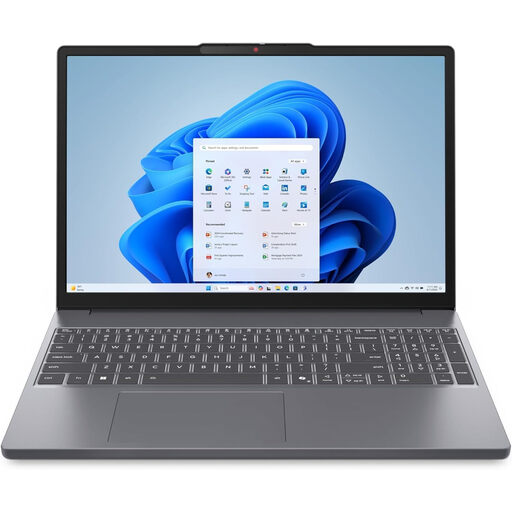 No image available
Lenovo IdeaPad Slim 3 83K7009MUK, Ryzen 5 7535HS
This is a configuration to assess for coursework across campus and home if its software and ports meet your course requirements. Its name specifies a 15.3-inch WUXGA display, 24GB DDR5 RAM, a 512GB PCIe SSD and Windows 11 Home; confirm any specialist graphics requirements separately.
View on Joybuy
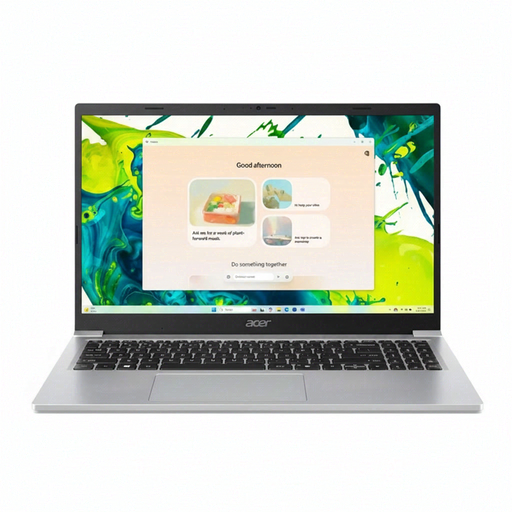 No image available
Acer Aspire Lite AL15-36P-C29Z, Intel N150
Consider it for coursework only after checking that the required applications and files fit this exact configuration. Its name specifies an 8GB DDR4 RAM configuration, a 128GB SSD, Windows 11 Home and a 15.6-inch Full HD display; confirm installation requirements and available storage with your course.
View on Joybuy
 No image available
ASUS Vivobook 15 X1504VA, Intel Core 5 120U
Compare this model if your coursework calls for local file space and you have confirmed the software and peripheral requirements. The product name specifies 24GB RAM, a 1TB SSD and a 15.6-inch display; check the exact operating system, graphics and ports needed for your course.
View on Joybuy
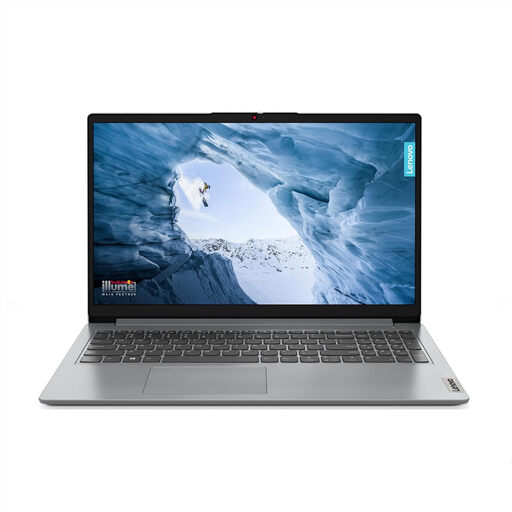 No image available
Lenovo IdeaPad 1, Ryzen 3 7320U, 8GB RAM
Assess this laptop for coursework only if its software and storage requirements fit the configuration. Its name specifies a 128GB SSD, a 15-inch Full HD display and Windows 11 Home in S Mode; confirm that required applications can be installed and used in that mode.
View on Joybuy
Common questions
Can a tablet replace a laptop for university coursework?
Not as your sole device if your course requires software or study functions the tablet cannot provide. UCL advises regular access to a laptop or desktop, while Cardiff University describes a tablet as a second device; check your own programme’s applications and assessments before relying on one.
Should I choose Windows or macOS before receiving my course requirements?
Wait for the programme’s current software and hardware requirements before deciding. The University of Bath advises Windows for its mechanical engineering course because key applications are Windows-only; choose a Mac only after confirming support for its exact operating system, processor, assessments and peripherals.
Can remote desktop access solve a software compatibility problem?
It can help if your university provides access to the required software and the service supports your coursework and assessments. The University of Bristol describes remote desktop access for specialist software, while the University of Nottingham notes that some Mac and Chromebook users may need a virtual desktop; confirm availability and whether local hardware still has to work.
Do I need to buy course software separately?
Check your university’s licence arrangements before purchasing applications. The University of Bath describes a site licence for software used in its mechanical engineering degree, and the University of Glasgow advises its engineering students to establish what they need before buying applications; your own course’s access terms may differ.


