Regular cafe writer
You expect to carry your laptop regularly and draft away from a desk. Bag weight, typing comfort and battery expectations matter more to you than graphics hardware.


For writing a covering letter in a cafe, put comfortable typing, portability and battery expectations ahead of graphics performance. Choose an operating system that works with the document, software and submission process you need: a Chromebook can suit a confirmed browser-based workflow, but prepare and test offline access before relying on it away from home.
You expect to carry your laptop regularly and draft away from a desk. Bag weight, typing comfort and battery expectations matter more to you than graphics hardware.
You need to edit or submit a covering letter using a particular template, application or employer portal. Check that workflow before choosing an operating system, especially if you rely on desktop Word features.
You mainly draft online, use email and upload documents. ChromeOS may suit you if you confirm that your file format, submission route and offline plans work with the tools you intend to use.
Confirm how the covering letter must be edited and submitted, then compare the laptop you would carry and type on with its stated battery test conditions.
Consider it when: Your required writing or submission software runs on the exact Windows model you choose.
Trade-off: Keyboard, weight, ports and battery claims vary by model; the operating-system name alone does not settle those choices.
Consider it when: Your applications and document-sharing process work on macOS and you want a 13-inch laptop for regular writing trips.
Trade-off: Apple lists Thunderbolt 4/USB-C ports for the cited M5 model, so check accessories that require another connection.
Consider it when: You have confirmed that your covering-letter file and submission process work with your chosen browser-based tools.
Trade-off: Desktop-only requirements and unprepared offline work can interrupt that workflow.
| Concern | What to check | Who this matters to |
|---|---|---|
| Carrying and typing | Compare the exact model’s weight and keyboard layout; assess typing comfort where possible. | If I carry a laptop to the cafe and spend time revising a letter, I need it to feel manageable in my bag and at the keyboard. Around 45% of consumers put carrying and typing first. |
| Document compatibility | Check the required template, file format, application and submission portal on the operating system you plan to use. | When an employer specifies how to edit or upload a letter, I cannot choose a laptop on appearance alone. Document compatibility comes first for roughly 33% of consumers. |
| Everyday writing needs | Match memory, storage and applications to your other tasks rather than choosing by processor name alone. | If my work is mainly browser-based drafting and email, I want the device to handle those tasks without choosing hardware for work I do not do. About 22% of consumers prioritise those everyday writing needs. |
A manufacturer’s figure is measured under particular conditions. Screen brightness, connectivity and the applications you use can change what you experience during a cafe session.
Compare test conditions where available and leave a practical margin for the time you expect to work; check access to a socket if you plan to take a charger.
Google says Chromebooks can work with Microsoft 365 files, but that does not establish that an employer’s portal, template or required desktop feature will work for you. Some web tools also have offline limitations.
Try the required file or a comparable template, confirm the submission route and test your intended offline method before relying on it in a cafe.
Port selection differs between models. Apple lists Thunderbolt 4/USB-C ports on the cited 13-inch M5 MacBook Air, while Microsoft lists USB-C, USB-A and a headphone jack on its cited 13-inch Surface Laptop.
Check the exact laptop’s ports and keyboard layout against the USB drive, headset, display or other equipment you actually use.
You may need an adapter if the laptop lacks a connection your equipment requires.
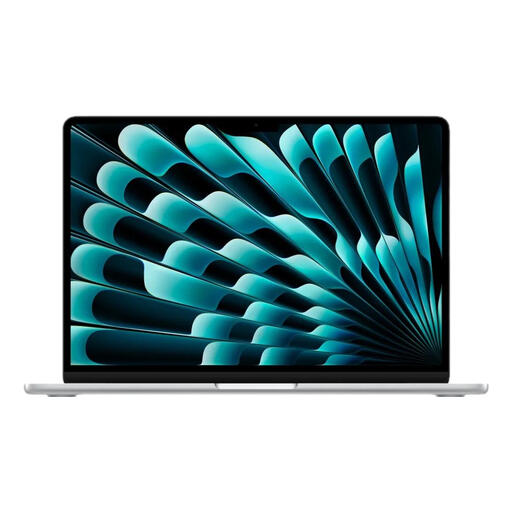
The 13-inch MacBook Air is a macOS option for portable writing when your applications and document-sharing process work on macOS.
Surface Laptop is a Windows option for applicants considering a compact laptop with a backlit keyboard.
Lenovo’s Yoga Slim and IdeaPad ranges include laptops to consider across Windows and ChromeOS workflows.
Acer Chromebook models are relevant to writers who have confirmed a ChromeOS-compatible document and submission workflow.
These laptops cover macOS, Windows and ChromeOS approaches to writing a covering letter. Compare each model against your required document workflow, typing preferences and plans for working away from a socket.
 No image available
Consider this model if your covering-letter workflow works on macOS and you want a 13-inch laptop to carry to the cafe.
This variant lists a 10-core CPU and 10-core GPU. Apple quotes up to 15 hours of wireless web use for the 13-inch M5 line; that is a manufacturer test claim, not a promised cafe-session runtime. Check your required accessories against its Thunderbolt 4/USB-C connections.
 No image available
This Chromebook is an option for browser-based drafting once you have confirmed that your employer’s template and submission route work with your chosen tools.
The named configuration has a 1920 × 1200 display and an Intel Core i3-1315U. Test access to the documents you need before planning to work offline.
 No image available
Consider this Vivobook for a Windows-based writing workflow after checking any application your employer requires against the exact configuration.
The product name specifies a Snapdragon X processor. Check the battery test basis and try the keyboard where possible if long cafe writing sessions will be a regular use.
 No image available
Consider the larger 15.6-inch screen if you want more display space while editing a letter, and check whether this laptop’s size suits your usual bag.
The product name specifies an Intel N150 processor. Before relying on particular desktop software, confirm whether the installed Windows edition runs in S mode; also check the battery test basis for your intended cafe sessions.
 No image available
This 14-inch Chromebook is an option for browser-centred letter writing if your required files and application portal work on ChromeOS.
The named configuration has an Intel Core i3 N305 processor. Confirm the required document features and prepare offline access before depending on it when cafe Wi-Fi is unavailable.
Yes, if your document and submission workflow is compatible. Google says Chromebooks can open, edit, download and save Microsoft 365 files through its supported route; check the employer’s template, portal and any desktop-only features before choosing ChromeOS.
You can continue only if the files and tools you need have been prepared for offline use. Google notes that some web apps have offline limitations, while Microsoft advises downloading and opening documents before going offline. Test your intended method before the cafe visit.
The covering-letter task alone does not call for dedicated graphics. Choose the laptop around your required document workflow, keyboard and portability, then account separately for any other applications you need to run.
Use an appropriate electrical-equipment recycling route rather than putting the laptop in general waste. GOV.UK describes retailer take-back arrangements for relevant electrical equipment; check the retailer’s current terms or an appropriate local recycling option for your device.