Mobile quotation preparers
If you revise quotations at customer meetings or between appointments, you need to plan for time away from a socket as well as the weight you carry.


Choose a laptop that runs your quotation workflow and has a charging arrangement you can use when sockets are scarce. A Windows laptop is the more straightforward route if your required applications or company systems are Windows-specific; a Mac can suit a confirmed macOS-compatible or browser-based workflow. Check the exact model’s charging requirements, ports and battery rating rather than relying on a USB-C connector or an advertised runtime alone.
If you revise quotations at customer meetings or between appointments, you need to plan for time away from a socket as well as the weight you carry.
If your work depends on Windows quotation software, Excel templates, peripherals or managed applications, confirm that the exact setup will run before choosing a laptop.
If a laptop shares a socket or charger with other devices, check its charging requirements and whether the ports you need remain available while it charges.
For customer quotations with limited access to sockets, establish which requirement could interrupt your work first. Then check the exact laptop and charging setup against that requirement.
| Concern | What to check | Who this matters to |
|---|---|---|
| Work away from a socket | Check the exact model’s battery rating and its test conditions. Compare the laptop’s charging requirement with the output of any shared charger. | If I revise quotations through meetings and travel, I need the laptop to keep working until I can charge it. Roughly 42% of consumers put socket-free work and charging first. |
| Quotation-workflow compatibility | Confirm support for your quotation application, templates, add-ins and company-managed tools on the chosen operating system. | When customer files depend on my existing software, a new laptop must open and edit them as required. Around 33% of consumers make workflow compatibility their primary concern. |
| Ports and ongoing support | Count the ports needed while charging, and check whether a hub requires compatible pass-through power. Review the exact warranty and support option. | If I connect a display or other devices at a shared desk, I want those connections to work without disrupting charging. About 25% of consumers prioritise connectivity and ownership support. |
USB-C identifies a connector, not the power a charger can supply. Apple specifies at least 30W to charge the cited MacBook Air; Microsoft specifies at least 39W for the 13.5-inch Surface Laptop 6 for Business and recommends 60W for fast charging.
Before relying on a shared charger, compare its output for the port you will use, the cable’s capability and the exact laptop’s requirements.
A charger or cable that cannot supply the required power may mean carrying a separate compatible one.
Manufacturer battery figures reflect particular tests; quotation editing, calls and network use may differ from those test conditions.
Use the rating to plan, but leave a margin for the applications, screen settings and connectivity you expect to use away from a socket.
Apple lists two Thunderbolt 4 ports and separate MagSafe 3 charging on the cited MacBook Air. The cited ASUS ExpertBook B9 OLED configuration lists USB-A, two Thunderbolt 4/USB4 ports and HDMI. Neither layout replaces a check of the devices you actually connect.
List your display, storage and other peripherals, then check which ports remain usable during charging and whether a compatible hub is needed.
If the built-in connections do not cover that setup, you may need to carry a hub or adapter.
Microsoft says Office for Mac supports Apple silicon and Intel-based Macs, but that does not establish whether your quotation application, Excel add-ins, CRM integration or company controls will work.
Check the exact software versions and customer-file workflow with your supplier or IT team before moving between Windows and macOS.
An incompatible workflow can require software changes, file migration or IT assistance.
The ThinkPad X1 Carbon line is relevant if you want a lightweight Windows business laptop for travelling between customer meetings.
The ExpertBook B9 OLED line is worth checking if quotation work involves several wired accessories away from a fixed desk.
MacBook Air is an option if your quotation applications and files are confirmed to work on macOS.
Surface Laptop for Business is relevant to teams assessing Windows 11 Pro and business-device support alongside mobile use.
These Windows and Mac laptops are choices to assess against your quotation software, time away from a socket and available charging equipment. Their different configurations make the exact model and workflow checks important.
 No image available
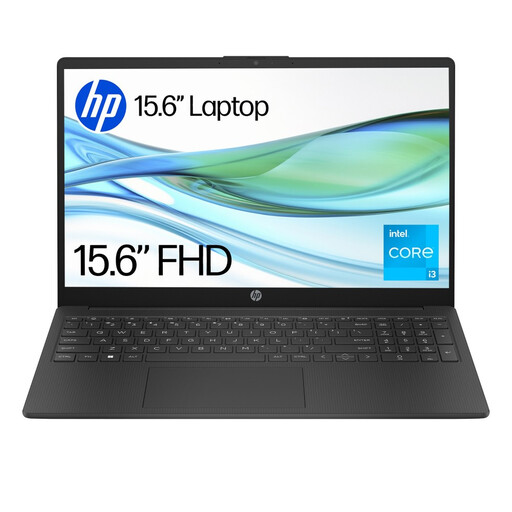
Consider this Windows laptop for quotation work if its S Mode restrictions fit the applications you need to install.
Check whether 4GB of memory suits your documents and browser workload. Before using a different shared USB-C charger, confirm the laptop’s charging requirements and the charger’s output.
 No image available
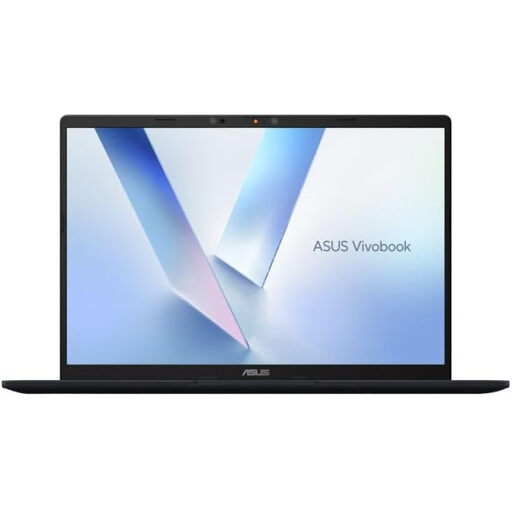
Consider this configuration if you prepare quotations with several devices connected, provided your exact applications and peripherals work with it.
Check the runtime you need for socket-free sessions rather than treating battery capacity as a runtime figure. Confirm the intended charging setup and the laptop’s carry weight against your requirements.
 No image available
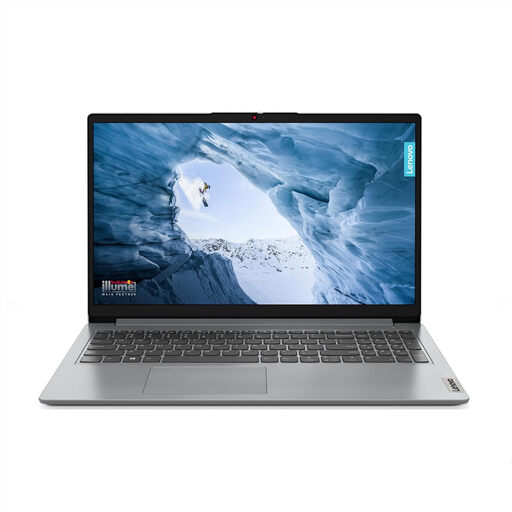
Consider this Windows 11 Home in S Mode configuration for mobile document work only after checking that your quotation tools run in the intended setup.
The identified USB-C port is for data transfer, so confirm the supplied charging method before planning to use a shared USB-C charger. Treat the stated battery-life figure as a rating, not a guaranteed session length.
 No image available
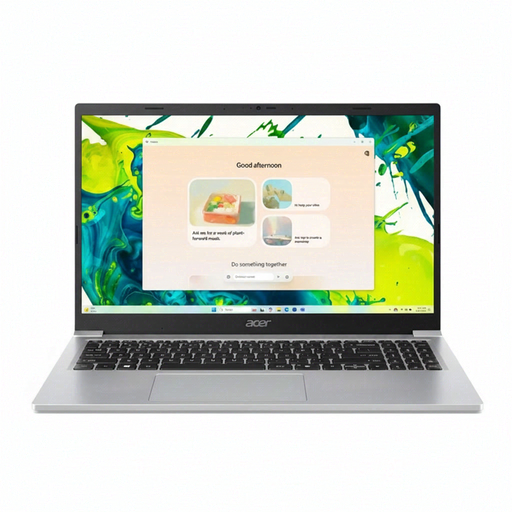
Consider this Windows laptop for everyday quotation documents if the display size and configuration fit where you will work.
Confirm whether its Windows 11 Home configuration is in S Mode before choosing software. Check its charging method and required wattage before depending on a shared USB-C charger.
 No image available
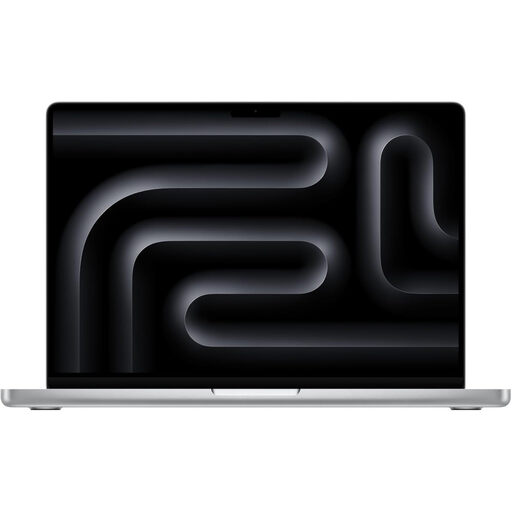
Consider this MacBook Pro for quotations only if your applications, files and company requirements are confirmed to work on macOS.
For shared USB-C charging, check that the charger and cable meet the stated requirement for a USB-C Power Delivery charger rated at 70W or above. Confirm the runtime and carry weight you need for work away from a socket.
Yes, if the laptop accepts USB-C Power Delivery charging and the charger and cable meet its requirements. Apple specifies at least 30W to charge the cited MacBook Air, while Microsoft specifies at least 39W for the 13.5-inch Surface Laptop 6 for Business. Compare the requirements of the exact model with the output available from the charger port you intend to use.
Not necessarily: advertised hours reflect the manufacturer’s test conditions, not your particular working day. Apple rates the cited MacBook Air for up to 18 hours of video streaming or 15 hours of wireless web use, while Microsoft lists up to 18.5 hours for Surface Laptop 6 for Business. Allow for your screen settings, connectivity, calls and quotation applications when planning time away from a socket.
Yes, if the exact applications, templates, add-ins and peripherals in your workflow work on macOS. Microsoft says Office for Mac supports Apple silicon and Intel-based Macs, but that does not confirm compatibility with a particular quotation system or CRM integration. Check those tools with their suppliers or your IT team before changing platform.
Check whether the retailer’s electrical-waste take-back scheme accepts your old laptop and how to use that service. GOV.UK states that the in-store take-back service must be free, although a retailer may charge transport costs for collection from a customer’s home. Confirm the applicable scheme and arrangements with the seller.