What matters when choosing?
Settle any mandatory software or workplace requirements first. Then compare the exact configuration with the way you will use the laptop at your desk, including local tools and external equipment.
Windows laptop
Choose when: Your workflow requires Windows, WSL or an organisation-approved Windows setup.
Bear in mind: Windows or a business-laptop label alone does not establish approval under your organisation’s device policy.
macOS laptop
Choose when: Your IDE, database drivers, VPN and team tools are confirmed to support macOS.
Bear in mind: A Mac cannot replace a required Windows-only workflow; the cited MacBook Air’s two USB-C ports may also call for adapters at your desk.
| Concern |
What to check |
Who this matters to |
| Software and operating system |
Confirm the required IDE, drivers, VPN, development environment and workplace device policy before choosing Windows or macOS. |
If a required driver or workplace tool will not run, the laptop cannot serve my schema-design workflow. Around 36% of consumers put compatibility first. |
| Local multitasking |
Compare the exact RAM and SSD variant against the tools and project files you will keep locally; consider whether memory can be expanded if that matters to you. |
With an IDE, documentation and local services open together, I want enough capacity for my usual workload. For roughly 29% of consumers, local multitasking is the primary concern. |
| Screen and desk setup |
Check built-in screen dimensions, external-display support and compatibility with your intended monitor and dock. |
When I compare diagrams, SQL and documentation at my home desk, I need a screen arrangement I can use comfortably. Around 21% of consumers put the desk setup first. |
| Workplace approval and support |
Ask about approved devices, security tools and support arrangements if you will access employer or client systems. |
If my organisation controls device access, I need to know that the laptop can be approved and supported before I buy it. Workplace approval and support come first for roughly 14% of consumers. |
Microsoft’s VS Code guidance describes a lightweight editor, while JetBrains advises DataGrip users experiencing slowdowns to consider its memory allocation. Neither describes your complete simultaneous workload. Remote development can change where tools run—Microsoft’s VS Code supports containers, remote machines and WSL—but it does not remove the need to check local apps and your organisation’s access rules.
Relevant brands to consider
These product lines illustrate different configuration routes; compare the exact model and your required tools rather than treating a brand name as a compatibility check.
Apple
MacBook Air is a macOS option when your database tools and organisation permit that operating system, particularly for a compact laptop used at an external-display desk.
- Apple’s UK specifications list a 13-inch configuration with 16GB unified memory, a 512GB SSD, two Thunderbolt 4/USB-C ports and support for up to two external displays.
- Confirm your drivers, VPN, required software and dock against the exact model before committing to macOS.
Lenovo
The ThinkPad T-series offers a conventional Windows business-laptop route for buyers considering a portable 14-inch home-office setup.
- Lenovo lists a ThinkPad T14 Gen 6 configuration with Windows 11 Pro, 16GB DDR5 memory, a 512GB SSD and a 14-inch 1920 × 1200 anti-glare display.
- Lenovo marks that particular configuration out of stock. Check availability, the exact variant, ports and support terms with the seller.
HP
EliteBook is another Windows business-laptop line to examine when a specified operating system and support arrangement matter.
- HP lists an EliteBook 8 G2i configuration with Windows 11 Pro, 16GB RAM, a 512GB SSD and a 14-inch 1920 × 1200 display.
- Those specifications do not establish compatibility with your employer’s policy, database workload or intended dock; check each requirement separately.
Joybuy laptop choices
These laptops offer different screen sizes, operating-system routes and stated memory and storage configurations for a home schema-design desk. Check the software and workplace requirements that apply to you before choosing among them.
 No image available
ASUS Vivobook 14 X1407QA-LY003W, Snapdragon X, 16GB/512GB, Quiet Blue
Consider this 14-inch model if a compact screen and a 16GB-memory, 512GB-SSD configuration fit your desk and local-file needs.
Confirm that your required database tools, drivers and VPN work with this Snapdragon X configuration. Its onboard memory is stated as non-upgradeable.
View on Joybuy
 No image available
MSI Modern C2RMG-282UK, 15-inch FHD, Core 5, 16GB/512GB
The stated 15-inch Full HD screen offers a larger built-in workspace for a desk where you compare SQL and documentation.
The title specifies an Intel Core 5 processor, 16GB RAM and a 512GB SSD. Confirm the Windows edition, required software and the exact monitor or dock connections before buying.
View on Joybuy
 No image available
Microsoft Surface Laptop 7 15-inch, 16GB/256GB, Maya Color
Consider the 15-inch format if built-in screen space matters more to you than a smaller laptop.
This variant is listed with 16GB RAM and a 256GB SSD, so check whether that storage capacity accommodates your local projects and tools. Confirm its exact processor and display specification, as well as compatibility with required drivers, VPN and workplace systems, before purchase.
View on Joybuy
 No image available
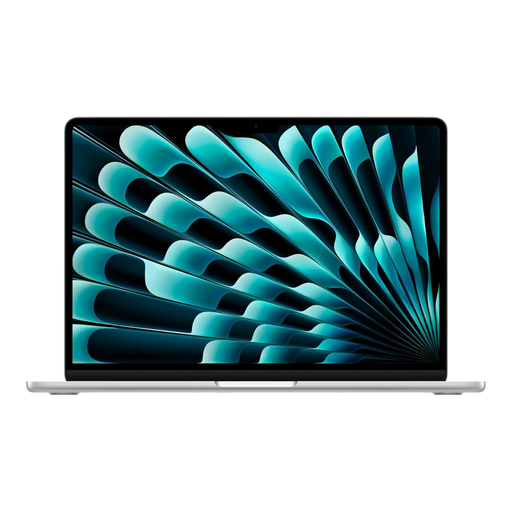
Apple MacBook Air 13-inch M5, 16GB/512GB, Silver
This compact macOS choice makes sense when your IDE, database drivers, VPN and organisation’s workflow are confirmed for Mac.
The listed variant has 16GB unified memory and a 512GB SSD. Apple specifies two Thunderbolt 4/USB-C ports and support for up to two external displays for the cited 13-inch configuration; check the dock, adapters and monitors you intend to use.
View on Joybuy
 No image available
HP OmniBook X Flip 16-as0004na, Core Ultra 5 226V, 16GB/512GB
The stated 16-inch touchscreen gives you a larger built-in display to consider for diagrams and documentation, with a 360-degree hinge if you want a convertible format.
This variant lists Windows 11 Home, 16GB RAM and a 512GB SSD. If work requires Windows Pro or device management, check approval before buying; also confirm the ports and external-display connections for your desk.
View on Joybuy
Frequently asked questions
Do I need a powerful workstation to design database schemas?
Not necessarily: choose for the applications you will run together, not the word “database” alone. Microsoft’s VS Code memory recommendation concerns the editor, while JetBrains documents memory-allocation changes for DataGrip when it slows down. Add your browser, database client, local services or containers to your workload checklist before deciding on a configuration.
Should I choose Windows or macOS for schema design?
Choose the operating system required by your tools and organisation. Windows is the relevant route if you need WSL or an approved Windows setup; macOS is an option when your IDE, drivers, VPN and team workflow support it. Microsoft says VS Code Remote Development can also use containers or remote machines, but you still need permission and access for that arrangement.
Would an external monitor help at a home database-design desk?
It may be worth considering if you regularly view diagrams, SQL and documentation side by side. Check your exact laptop’s display-output capability and the intended monitor and dock together; Apple lists support for up to two external displays for the cited MacBook Air specification, not blanket compatibility with every desk setup.
Should I ask about a home-workstation assessment?
Yes, if you work for an employer and regularly use display-screen equipment at home, ask which assessment process applies to you. The Health and Safety Executive identifies DSE users as workers who use it daily for continuous periods of an hour or more; a comfortable setup involves more than the laptop’s specification.
Does a business laptop automatically meet workplace security rules?
No: a business-laptop name, Windows Pro or a fingerprint reader does not establish approval for your organisation’s systems. The Information Commissioner’s Office advises organisations to assess home-working security risks. Check the approved-device, VPN, storage and support requirements with the people responsible for your work systems.


