Compact demo-mastering users
You have limited desk space and need room to connect an audio interface and manage project storage alongside your laptop.


For a modest demo project, start with a compact laptop offering at least 16GB of memory and a fast SSD; Ableton recommends those specifications for Live rather than relying on its 8GB minimum. If you expect dense plug-in chains or longer sessions, consider configurations with more capacity, but check your DAW, plug-ins and audio-interface compatibility before choosing either macOS or Windows.
You have limited desk space and need room to connect an audio interface and manage project storage alongside your laptop.
You expect to run several mastering processors or analysis tools together, making processing and memory headroom more important than the smallest chassis.
Your DAW, plug-ins or interface depend on a Windows workflow. Confirming support for your exact software and hardware matters more than changing platform to gain a smaller laptop.
Start with the workload and your existing audio setup, then check whether the laptop and all the devices connected to it will fit comfortably on the desk.
| Concern | What to check | Who this matters to |
|---|---|---|
| Processing and memory | Check the processor and installed memory. Ableton lists 8GB as Live’s minimum but recommends 16GB or more. | If I run several mastering plug-ins and analysis tools together, I want capacity beyond a DAW’s installation minimum. Around 46% of consumers put processing and memory headroom first. |
| Desk fit and connections | Count the ports needed simultaneously for charging, an interface and any external storage; check the SSD capacity on the exact configuration. | With little room for cables and peripherals, I need the whole setup—not just the laptop—to fit. Compact desk fit is the primary concern for around 36% of consumers. |
| Audio compatibility | Check your DAW release, plug-in versions and interface driver against the laptop’s operating system and processor architecture. | If my current interface or plug-ins determine how I work, I need them to remain usable when I change laptops. Around 18% of consumers put compatibility first. |
Ableton lists 8GB of memory as Live’s minimum, while its performance guidance recommends 16GB or more and identifies CPU capacity as important for audio processing.
Compare 16GB-or-higher configurations and a fast SSD for this mastering setup. Treat an 8GB model as an option only if you know your actual project and plug-in chain are light enough.
Apple lists two Thunderbolt 4/USB-C ports on the 13-inch MacBook Air M5. An interface, external SSD and charging connection may therefore need more planning than the laptop’s size suggests.
List everything you connect at once and check the required port types before choosing a compact model.
Your setup may call for a suitable hub, dock or adapter.
A supported DAW does not establish that every plug-in or interface driver works with the same operating-system version and processor.
Before ordering, check the compatibility information from your DAW, plug-in and interface publishers for the exact versions you intend to use.
The MacBook Air offers a compact Apple-silicon option; the 14-inch MacBook Pro offers configurations with higher memory capacity when desk size is less decisive.
The Yoga Pro 7 Gen 9 AMD is a 14.5-inch Windows creator-laptop option for people retaining a Windows audio workflow.
The XPS 13 family is another compact Windows option to consider when desk footprint and an existing Windows workflow both matter.
These compact Apple-silicon and Windows laptop options address different parts of a small-desk mastering setup. Choose a configuration around your project demands and existing audio software, then check the connections and compatibility your setup requires.
 Image unavailable
A 13-inch option for a modest demo project where desk space is tight. This configuration lists an M5 chip with a 10-core CPU and 10-core GPU, 16GB of memory and a 1TB SSD.
Apple lists two Thunderbolt 4/USB-C ports for this model family. Plan how you will connect charging, an interface and any external drive, and check your plug-ins and interface against the installed macOS version.
 Image unavailable
Consider this 13-inch configuration if you want more installed memory while keeping a compact laptop. Its listing names an M5 chip with a 10-core CPU and 10-core GPU, 24GB of memory and a 1TB SSD.
Check whether the model family’s two Thunderbolt 4/USB-C ports accommodate your simultaneous devices, and confirm support for your audio software and interface.
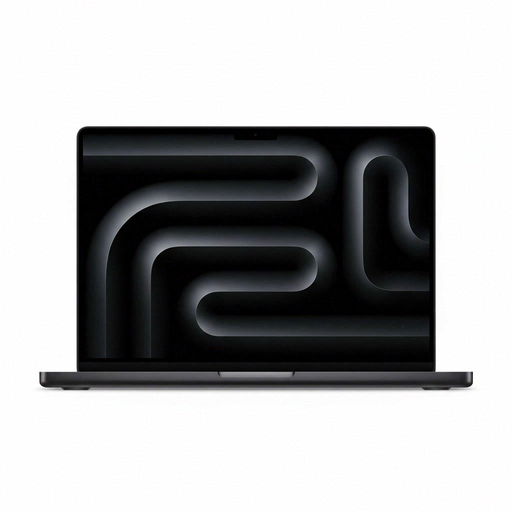 Image unavailable
This configuration is worth considering when additional memory and built-in storage matter more than keeping to a 13-inch laptop. Its name specifies an M5 Pro with a 15-core CPU and 16-core GPU, 24GB of memory and 2TB of storage.
Those specifications do not establish how your particular plug-in chain will run. Check your DAW, plug-ins and audio interface for the macOS version you plan to use.
 Image unavailable
The dual-screen arrangement may appeal if you want your mastering controls and reference material visible together; consider how both screens would sit on your desk. The title specifies an Intel Core Ultra 7 255H, 16GB of memory and a 1TB SSD.
Confirm your DAW and interface compatibility before choosing it. If display resolution affects your workspace, check the exact panel specification.
 Image unavailable
This Windows 11 Home laptop is an option for a small desk if your audio workflow depends on Windows. Its title lists a 14.5-inch OLED touch display, Intel Core i9 processor, 16GB of memory, a 1TB SSD and RTX 3050 graphics.
Before buying, check its port arrangement for your interface and storage devices, along with support for your DAW, plug-ins and interface driver.
It meets Ableton Live’s stated minimum, but Ableton recommends 16GB or more for better performance. For a project using several mastering plug-ins or analysis tools, start your comparison at 16GB unless you know your project is light enough for less.
Not necessarily for basic playback. If your mastering setup uses an external interface, check that the exact model supports your laptop’s operating system and processor; Ableton recommends ASIO-compatible audio hardware for Windows and a Core Audio-compliant interface for macOS.
Do not assume they will just because your DAW runs on the MacBook. Ableton says Universal versions of Live run natively on Apple silicon, but advises checking the compatibility of your Live version, plug-ins and hardware drivers for the macOS version you intend to use.