Dialogue editors working away from a fixed studio
You need a portable setup for your DAW, restoration plug-ins, headphones and audio interface. Check your exact software requirements before deciding how much memory or storage to buy.


Choose a laptop around the exact digital audio workstation (DAW), plug-ins and audio interface you need to run, rather than a general claim about audio performance. For a single dialogue track, meet your software’s operating-system and memory requirements before paying for capacity intended for larger or video-linked sessions. In a shared office, plan a private monitoring path and check how your headphones and interface will connect.
You need a portable setup for your DAW, restoration plug-ins, headphones and audio interface. Check your exact software requirements before deciding how much memory or storage to buy.
You need a practical way to monitor dialogue privately without making laptop speakers your only critical-listening option. If workplace noise exposure is a concern, raise it through your employer’s health-and-safety process; the Health and Safety Executive treats noise at work as a risk to manage.
If your work also involves many plug-ins, video-linked editing, several devices or an employer-managed Windows setup, compare the required configuration and connections rather than relying on a workstation label.
Start with software and operating-system support, then establish how you will monitor privately. Size the memory, storage and connections for the sessions you actually edit.
| Concern | What to check | Who this matters to |
|---|---|---|
| Software compatibility | Check the exact DAW and plug-in releases against the intended operating system, then confirm audio-interface support. Avid Technology lists 16GB RAM in its Pro Tools system requirements. | If my essential restoration plug-in or interface will not work with the laptop, extra processing capacity will not solve the problem; around 40% of consumers put compatibility first. |
| Private monitoring | Confirm a suitable wired-headphone or USB audio path, including the interface’s connector and power needs. | When I edit near colleagues, I need to hear dialogue without relying on open speakers; around 30% of consumers make a workable private-monitoring setup their primary concern. |
| Session headroom | Match memory and storage to simultaneous plug-ins and any linked video. Adobe lists 16GB RAM for HD media in Audition and 32GB or more for 4K and higher. | If I regularly work with demanding restoration chains or linked video, a single-track specification may leave too little room for my wider sessions; roughly 20% of consumers prioritise that headroom. |
| Storage and connections | Check internal SSD capacity and the ports needed for your interface, external drive or display. | I move between desks with project files and peripherals, so the storage and connection arrangement needs to fit my setup; about 10% of consumers place expansion first. |
A processor and memory specification cannot establish whether a particular DAW release, plug-in, interface and operating-system version work together. Avid Technology and Adobe publish application-specific requirements.
Write down the versions and devices your work requires, then check each vendor’s current compatibility information before choosing a laptop.
Processor, memory, storage and operating system can differ within a laptop family. HP states that ZBook Firefly G11 components vary by configuration.
Compare the exact configuration and manufacturer part number, including its ports and installed memory, rather than judging it by the family name.
A bus-powered interface needs an appropriate connection and sufficient power. Focusrite states that its Scarlett 4i4 3rd Gen requires 900mA for complete operation.
Check your interface’s stated requirements against the intended laptop port and connection arrangement.
Depending on the interface and laptop, the setup may also call for a compatible cable, powered hub or separate power arrangement.
Private monitoring and workplace noise management are different issues. In Great Britain, the Control of Noise at Work Regulations 2005 address assessment of risks from workplace noise exposure where they apply.
Follow your employer’s monitoring policy and raise significant noise-exposure concerns through its health-and-safety process.
A MacBook Pro may suit a portable dialogue-editing setup when the required DAW, plug-ins and interface support the intended macOS version.
The ThinkPad X1 Carbon Gen 13 is a Windows route to consider for modest editing sessions away from a fixed desk.
The ZBook Firefly G11 is a Windows mobile-workstation route for buyers whose broader workflow calls for a particular configured processor, operating system or set of connections.
These configurations offer different Windows and Mac laptop options for dialogue editing. Check your software, interface and monitoring requirements against the exact configuration before deciding whether its listed memory and storage suit your sessions.
 No image available
Consider this Windows configuration if your editing software supports it and you want a 2-in-1 laptop for work away from a fixed desk.
The product name specifies 16GB RAM, a 1TB SSD and Windows 11 Home. Confirm how your headphones and audio interface will connect.
 No image available
This is a Windows laptop to consider for modest sessions only after checking that your DAW, plug-ins and interface support its Snapdragon X configuration.
The product name specifies 16GB RAM, a 512GB SSD and the Quiet Blue variant. Check that the memory and storage fit your intended projects.
 No image available
Consider this configuration if dialogue repair sits alongside larger projects or linked video, rather than assuming a single dialogue track needs its full specification.
The product name lists a 16-inch 4K OLED touchscreen, an NVIDIA GeForce RTX 5080 with 16GB, 64GB RAM, a 2TB SSD and Windows 11 Home. Check the wired-monitoring path and software compatibility for your workflow.
 No image available
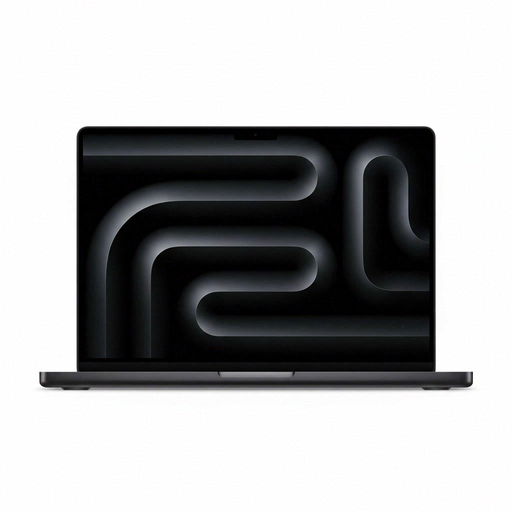
Consider this Mac configuration if your required DAW, restoration plug-ins and interface support its intended macOS version.
The product name specifies an M5 Pro with a 15-core CPU and 16-core GPU, plus 24GB unified memory and 2TB storage. Check the complete connection and power-adapter arrangement before purchase.
 No image available
This Windows laptop is worth comparing for editing away from a fixed desk if the specified processor and your audio software are compatible.
The product name lists a 15.6-inch display, 24GB RAM, a 1TB SSD and the Cool Silver variant. Confirm the headphone or USB audio path needed for private monitoring.
It can be a starting point if it meets your exact software requirements and your work is primarily audio-only. Avid Technology lists 16GB RAM for Pro Tools computer systems; Adobe lists 16GB for HD media in Audition and 32GB or more for 4K and higher. Check the plug-ins and project types you will use rather than treating one capacity as sufficient for every session.
Not for every dialogue edit, but an interface may be needed for your intended microphone or headphone connection. If yours draws power over USB, check its connector and power requirement against the laptop: Focusrite states that the Scarlett 4i4 3rd Gen requires 900mA for complete operation.
Use a suitable private monitoring method for critical checks rather than relying solely on laptop speakers in a shared office. Separately, where workplace noise exposure presents a risk, follow your employer’s health-and-safety process; the Health and Safety Executive provides guidance on managing noise at work.
Choose the platform supported by the exact DAW release, plug-ins and audio interface your work requires. Avid Technology publishes platform-specific Pro Tools compatibility information, while Adobe sets out separate Audition requirements for Windows and macOS; check the versions you intend to use before comparing laptop configurations.