Choose a laptop whose operating system supports your audio editor, plug-ins and interface, then size its memory and storage for the sessions you expect to edit. A 16GB-memory, 512GB-SSD configuration is a useful starting point among the models discussed here, but larger multitrack or video-linked projects may call for more capacity. If you edit away from a desk, weigh the whole recording kit and plan how your devices will connect at the same time.
Who needs which kind of laptop?
Editors moving between recording locations
If the laptop travels alongside your recorder and other equipment, compare its carry weight with the memory and storage you need. Lenovo describes the ThinkPad X1 Carbon Gen 13 configuration discussed here as weighing less than 1kg; Apple lists 16GB memory and a 512GB SSD as starting specifications for its current 13-inch MacBook Air.
Editors working on larger sessions
Multitrack work, restoration, plug-ins or linked video make the requirements of your particular editor and project more important than laptop size alone. Adobe recommends 16GB RAM for HD media in Audition 25.x, alongside a fast internal SSD for the application and cache.
Editors connecting several devices
If you use an audio interface, external SSD, card reader, monitor or wired headphones, list what must connect simultaneously. Apple specifies two Thunderbolt 4/USB-C ports and a headphone jack on the current MacBook Air, so check the connection plan as well as the software.
What should you check before buying?
Confirm software and device compatibility before choosing a configuration. Then balance session capacity against the weight and connections your location-editing kit requires.
| Concern |
What to check |
Who this matters to |
| Portability |
Compare laptop weight as part of the complete kit, including the recorder, storage and power equipment. |
When I move between recording locations, I want a laptop I can carry with the rest of my kit without making each trip harder; around 42% of consumers put portability first. |
| Session capacity |
Check your editor’s requirements for the heaviest project you expect, and plan space for applications, cache and media. |
If I edit larger multitrack sessions or keep project files locally, I need enough memory and storage for that work; roughly 33% of consumers make session capacity their primary concern. |
| Workflow compatibility |
Verify the editor, plug-ins and interface drivers for the operating system; list devices that must connect at once. |
My laptop needs to work with the software and recording equipment I already use, rather than just have familiar-looking connectors; about 25% of consumers prioritise compatibility. |
Buying pitfalls
-
Choosing by processor name alone
A processor label cannot tell you whether a particular configuration has enough memory and SSD capacity, or whether your editor and interface will work with it.
Compare the exact configuration and your software requirements, then check ports, charging equipment and upgrade options before deciding.
-
Keeping the only copy of a recording on the laptop
Application storage and recording-media storage serve different purposes. Adobe recommends a fast internal SSD for Audition’s installation and cache, with additional high-speed storage for media.
Plan a separate copy of original recordings and check how you will transfer files from the recorder or its media.
That workflow may require an additional drive and a compatible connection.
-
Assuming every USB-C device will connect directly
The current MacBook Air has two Thunderbolt 4/USB-C ports, according to Apple. A matching connector does not by itself establish that an interface’s driver, power needs or other requirements are met.
List the devices you need at the same time and check each connection against the exact laptop and interface.
A suitable hub, card reader or adapter may become part of the kit.
-
Assuming a power adapter is in the box
Apple’s configured MacBook Air purchase page and Dell’s XPS 13 DX13260 listing each state that a power adapter or charger is not included.
For the exact configuration you choose, confirm what power equipment is included and what charging connection it requires.
Brands to consider for this workflow
Apple
The current 13-inch MacBook Air is a macOS option to consider if your editor, plug-ins and interface support that platform.
- Apple lists a starting configuration with M5, 16GB unified memory and a 512GB SSD, with higher memory and storage options.
- Apple specifies two Thunderbolt 4/USB-C ports, so plan simultaneous connections; its configured MacBook Air purchase page also says a power adapter is not included.
Lenovo
The ThinkPad X1 Carbon Gen 13 configuration discussed here is a Windows option for editors who put particular weight on carrying a light laptop.
- Lenovo lists 16GB LPDDR5X memory and a 512GB SSD for the researched configuration and describes the laptop as weighing less than 1kg.
- Its listed memory is on-package; check upgrade options, ports and the exact configuration rather than assuming every X1 Carbon Gen 13 is equipped alike.
Dell
The XPS 13 DX13260 is another Windows model to configure around your editing software and expected sessions.
- Dell identifies the DX13260 model and lists a Core 5 320 base configuration.
- Check memory, SSD capacity and ports on the build you intend to buy; Dell’s listing says the charger is not included.
Joybuy laptops for different editing needs
These laptops offer different memory and storage configurations for field-recording projects, from a 16GB/512GB portable option to models with more local capacity. Check your editor, plug-ins and audio-interface requirements before choosing between their macOS and Windows setups.
 No image available
Apple MacBook Pro 16.2-inch M5 Max, 48GB/2TB, Space Black
Consider this configuration if you want substantial memory and local storage for larger editing projects. Its listed M5 Max has an 18-core CPU and 40-core GPU; check your editor and interface compatibility before choosing it.
Joybuy
 No image available
MSI Stealth 18 AI Studio A1VGG-001UK, 32GB/2TB, Black
The 32GB memory and 2TB SSD make this an option to assess for larger sessions and files kept locally. It is an 18-inch Intel Core Ultra 9 model with NVIDIA GeForce RTX 4070; consider whether that screen size suits your carry kit, and confirm software and interface compatibility.
Joybuy
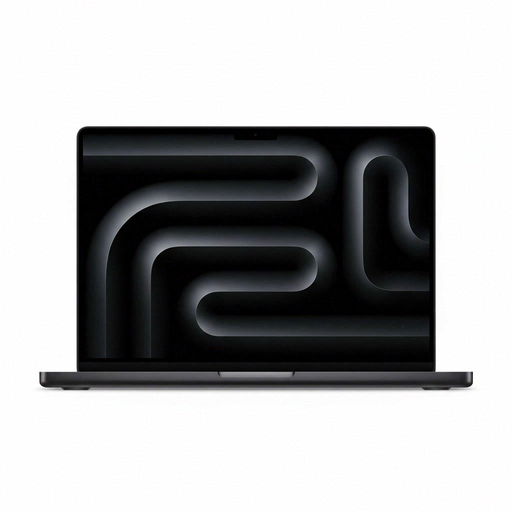 No image available
Apple MacBook Pro 14.2-inch M5 Pro, 24GB/2TB, Space Black
This 14.2-inch configuration offers 24GB unified memory and a 2TB SSD for editors considering more local capacity. Its listed M5 Pro has a 15-core CPU and 16-core GPU; confirm software and interface compatibility, and check the power adapter arrangement for the exact product.
Joybuy
 No image available
Lenovo Legion Pro 7 16IAX10H 83F5000UUK, 64GB/2TB, Black
The listed 64GB RAM and 2TB SSD give this Windows 11 Home configuration substantial memory and local storage to consider for larger projects. It is a 16-inch Intel Core Ultra 9 model with NVIDIA GeForce RTX 5090; assess the complete carry kit and confirm editor and interface support.
Joybuy
 No image available
ASUS Vivobook 14 X1407QA-LY003W, Snapdragon X, 16GB/512GB, Quiet Blue
This 16GB-memory, 512GB-SSD configuration is an option to assess for a smaller field-editing setup. Check that your intended editor, plug-ins and audio-interface drivers work with its Snapdragon X configuration before buying.
Joybuy
Frequently asked questions
How much memory and storage do I need to edit field recordings?
Start with the requirements for your editor and your most demanding expected project. Adobe’s Audition 25.x guidance recommends 16GB RAM for HD media, a fast internal SSD for the application and cache, and additional high-speed storage for media; that does not make 16GB or a particular SSD capacity sufficient for every project.
Should I choose macOS or Windows for audio editing?
Choose the operating system supported by the versions of your editor, plug-ins and audio-interface driver that you intend to use. Adobe publishes separate Windows and macOS requirements for Audition 25.x and states that Audition 25.4 and later do not support macOS Monterey, illustrating why the software version matters.
Will a thin laptop connect to my interface and backup drive?
It can if the required devices and drivers are compatible and you have enough suitable connections for simultaneous use. Apple specifies two Thunderbolt 4/USB-C ports, MagSafe and a headphone jack on the current MacBook Air; check whether your own interface, drive and any card reader require a compatible hub or adapter.


