What matters when choosing
Decide how often the laptop will leave the desk before comparing screen sizes. Then check the exact configuration for the tabs, documents and account access you will use.
| Concern | What to check | Who this matters to |
|---|
| Room for bills and tariffs |
Compare screen size, resolution, anti-glare treatment and the space the laptop will occupy on the shared desk. |
I want to keep a bill and tariff terms readable without constantly changing windows; around 36% of consumers put screen space first. |
| Tabs and documents |
Check RAM in the exact configuration. Microsoft recommends 8GB to 16GB for multitasking; consider 16GB if you routinely keep many tabs and documents open. |
When supplier pages, PDFs and a spreadsheet are open together, I want enough memory for that workflow. Around 29% of consumers prioritise multitasking. |
| Shared-desk privacy |
Check the sign-in features of the exact model and review Windows camera and microphone permissions; lock the device when leaving the desk. |
I need to keep others from viewing my account when I step away; roughly 21% of consumers make account privacy their primary concern. |
| Carrying the laptop |
Compare the listed weight and screen size, and check what charging equipment comes with the exact configuration. |
If I regularly take household paperwork to another location, carrying a large laptop becomes a nuisance. Around 14% of consumers put portability first. |
Relevant brands to consider
These configurations illustrate different screen-size and carrying trade-offs; a brand name alone does not establish the specifications of every model it sells.
Lenovo
The cited IdeaPad Slim 5i Gen 11 16-inch configuration is a reference point for a mostly fixed shared desk.
- Lenovo lists a 1920 × 1200 anti-glare display, 16GB DDR5 memory and a 512GB SSD for this configuration.
- Which? lists this configuration at 1.839kg, a consideration if you frequently carry the laptop.
Acer
The cited Aspire 17 A17-51M-585E configuration is a reference point if a large screen takes priority over compactness.
- Acer lists a 17.3-inch anti-glare IPS display, 16GB memory and a 512GB NVMe SSD for this configuration.
- Which? lists the illustrated 17-inch configuration at 2.118kg, so check its fit at the desk and how often it will need carrying.
Dell
The cited XPS 13 DX13260 configuration illustrates the compact option for someone who also works away from the shared desk.
- Which? lists the cited configuration with a 13.4-inch display and a weight of 1.049kg.
- The cited configuration has 8GB RAM and less screen area than the larger examples. Dell says a charger is not included on its cited product page.
Joybuy laptop choices
These laptops offer a range of screen sizes for tariff research: the 15.6-inch and 16-inch models suit a desk-first setup, while the 14-inch model is worth considering if you move between locations. Check each configuration against the work you actually do; graphics and other high-end features do not establish a benefit for comparing tariffs.
 No image available
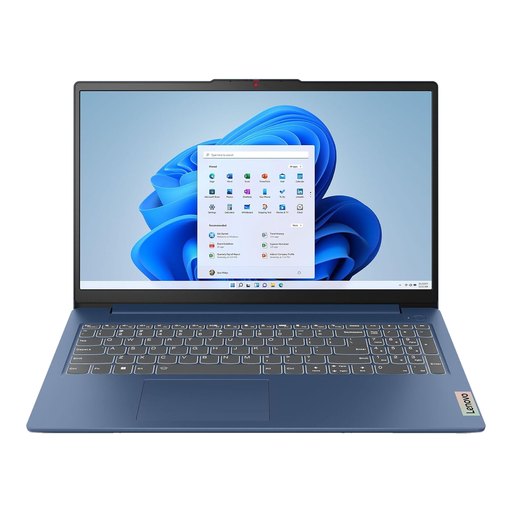
Lenovo IdeaPad 3 15IAU7 82RK0177UK, 15.6-inch, blue
Consider this configuration if you normally compare supplier pages and bills at a desk and want a 15.6-inch screen. Its listed configuration has an Intel Core i7 processor, 16GB RAM and a 512GB SSD.
View on Joybuy
 No image available
Lenovo LOQ Essential 15ARP11, 15.6-inch
The 15.6-inch display and 16GB RAM make this a desk-oriented option for keeping tariff pages and documents open. The listed configuration also has an AMD Ryzen 7 170 processor, 1TB SSD, GeForce RTX 5050 graphics and a 144Hz FHD display; those graphics and refresh-rate specifications do not establish a benefit for tariff research.
View on Joybuy
 No image available
ASUS ProArt P16 H7606WW-SE006W, 16-inch
A 16-inch screen gives this configuration room for a desk-based comparison layout. It lists a 4K OLED touchscreen, 64GB RAM, 2TB SSD, AMD Ryzen AI 9 HX 370 processor and NVIDIA GeForce RTX 5080 16GB graphics. Check how the screen handles reflections at your desk; the listed memory and graphics do not establish a task-specific advantage for comparing tariffs.
View on Joybuy
 No image available
ASUS Vivobook 14 X1407QA-LY003W, Quiet Blue
Consider this compact configuration if you move between locations and can work with less side-by-side viewing space than a larger desk-first laptop offers. Its product name specifies a Snapdragon X processor, 16GB RAM and a 512GB SSD; check that any software you need works with this processor platform.
View on Joybuy
 No image available
HP OmniBook X Flip 16-as0004na, 16-inch 2-in-1
The 16-inch touchscreen makes this a desk-first option if you want room to read tariff pages and bills. The listed configuration has an Intel Core Ultra 5 226V processor, 16GB RAM, a 512GB SSD and Windows 11 Home. If reflections or frequent carrying matter, check the display finish and weight of the exact model.
View on Joybuy
Frequently asked questions
What should I have ready to compare energy tariffs?
Keep a recent bill or account page handy so you can check your current supplier and tariff alongside new offers. Ofgem says switching information includes your postcode, current supplier and tariff; having your usage and unit-rate details visible also helps you compare the figures shown.
Can a laptop tell me whether a fixed or variable tariff is right for me?
No. Use the laptop to read and compare the complete offers rather than deciding from the tariff label or a headline saving. Citizens Advice explains that a tariff includes a unit rate and daily standing charge; also check terms such as exit fees and meter suitability before choosing.
How do I protect energy-account information at a shared desk?
Lock the laptop whenever you leave it and protect your account sign-in; use biometric sign-in only if the exact model supports it. Microsoft says Windows lets you control app access to the camera and microphone, while websites in Edge request permission separately.
Does a manufacturer warranty replace my rights if the laptop is faulty?
No. A manufacturer warranty is separate from statutory rights concerning faulty goods. Keep your order confirmation, the exact model details and evidence of the fault, and check the rights that apply where you bought the laptop rather than assuming the warranty sets the only remedy.
Does the same energy-switching guidance apply throughout the UK?
No single regional guide should be assumed to cover every location. Ofgem’s cited switching guidance concerns Great Britain, while the cited Citizens Advice tariff guidance is for England and points readers towards separate guidance for Scotland and Wales. For a tariff decision in Northern Ireland, use guidance specific to Northern Ireland.


