Event organisers working away from desk power
If you update schedules, attendee information or calendar graphics between event tasks, check both the laptop’s battery-test conditions and what it needs to charge from a USB Power Delivery source.


Choose a laptop that runs your required design software and has charging requirements you can meet when sockets are scarce; do not choose by an advertised battery duration alone. A 13-inch M5 MacBook Air is an option for a macOS-compatible workflow, while a Windows laptop may be necessary for Windows-dependent tools. If you mark up proofs by hand, consider a touch-capable model only after checking pen support; manufacturer battery tests do not promise the same runtime during design work.
If you update schedules, attendee information or calendar graphics between event tasks, check both the laptop’s battery-test conditions and what it needs to charge from a USB Power Delivery source.
If your layouts depend on particular design applications, plug-ins or fonts, check the requirements for the exact versions you use before choosing an operating system or processor. Adobe publishes separate desktop requirements for Photoshop and Illustrator.
If you inspect crowded calendar layouts or mark up changes during meetings, display size and touch or pen input may matter. Check those features against the laptop’s portability and charging requirements rather than choosing on screen features alone.
Start with the applications and files your calendar workflow requires, then check how the exact laptop charges and how its battery claim was tested. Decide how much screen space or annotation capability you need after those requirements are covered.
| Concern | What to check | Who this matters to |
|---|---|---|
| Working between sockets | Check the battery-test workload and whether the exact model accepts USB Power Delivery charging at a wattage your charger can supply. | If I must keep editing a schedule while shared sockets are occupied, I need a workable charging plan, not just a headline battery figure. Roughly 42% of consumers would make unplugged work and recharging their primary concern. |
| Software and files | Check required app versions, plug-ins, fonts and printer drivers against the operating system and processor architecture. | A layout is no use to me if a required application or workplace tool will not run on my laptop. For around 33% of consumers, workflow compatibility would come first. |
| Layout review | Check screen size and display specifications; if you annotate by hand, confirm pen compatibility and bundle contents. | When I review dense date cells or mark up a proof in a meeting, I need a screen and input method that suit that task. About 25% of consumers would prioritise layout review or annotation. |
A manufacturer’s stated duration applies to its test conditions. Apple’s figure of up to 15 hours for the 13-inch M5 MacBook Air is for wireless web use, not a promise for design applications, high screen brightness or connected accessories.
Compare the stated test conditions when shortlisting laptops, then plan for the software, display settings and devices you expect to use.
USB-C describes the connector; charging support and the required power input depend on the exact model.
Check the laptop’s USB Power Delivery support, minimum charging input and supplied charger before choosing a separate power source.
A different compatible charger, cable or power bank may be needed for your planned charging setup.
Required design applications and supporting tools may have operating-system or processor requirements. Microsoft documents Windows devices with both Arm and x86/x64 processors; a Windows label alone does not settle compatibility for your particular workflow.
List the applications, plug-ins, fonts and printer drivers you rely on, then check their current vendor requirements for the laptop you intend to buy.
A convertible design or touchscreen does not establish whether a pen works with the model or comes in its bundle.
If handwritten proof changes matter to you, confirm pen compatibility, bundle contents and touch support in your chosen applications.
The MacBook Air is a macOS option if the software needed for your event-calendar workflow runs on macOS.
The documented Intel Zenbook 14 UX3480 configuration is a Windows ultraportable to examine if you need Windows software and a compact layout-review screen.
IdeaPad Pro and Slim laptops are Windows options to compare when multitasking and creative-file handling are important.
XPS laptops are another Windows route for a calendar workflow that depends on Windows applications.
These laptops offer different ways to approach calendar layout work: touch-focused Windows designs, a compact Snapdragon-based model and two MacBook Air screen sizes. Check the software, charging and display details that matter to your workflow for each individual configuration.
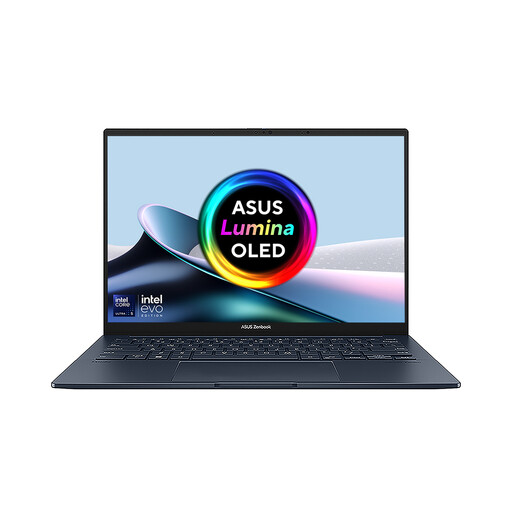 Image unavailable
Consider this dual-touchscreen configuration if viewing calendar layouts across two displays would help your work.
Confirm the exact screen resolution before ordering, and check that your required design applications and accessories work with this configuration.
For work away from sockets, compare its battery-test conditions with your expected use and confirm the charging setup you intend to carry.
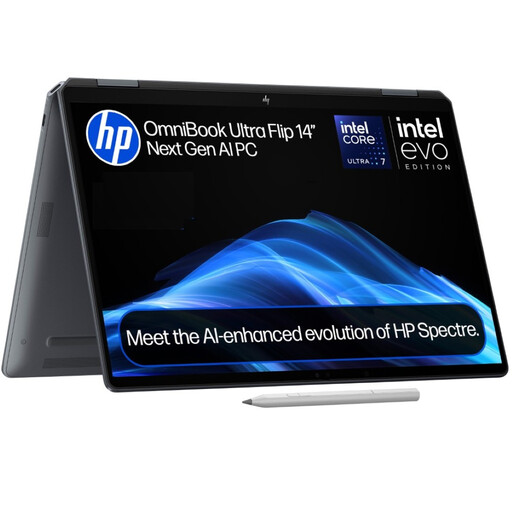 Image unavailable
This 2-in-1 is worth considering if you want to review calendar layouts in both laptop and folded-screen positions.
Check pen compatibility and bundle contents before relying on it for handwritten mark-up.
Confirm a battery test relevant to your working day, as well as compatibility with your design applications and peripherals.
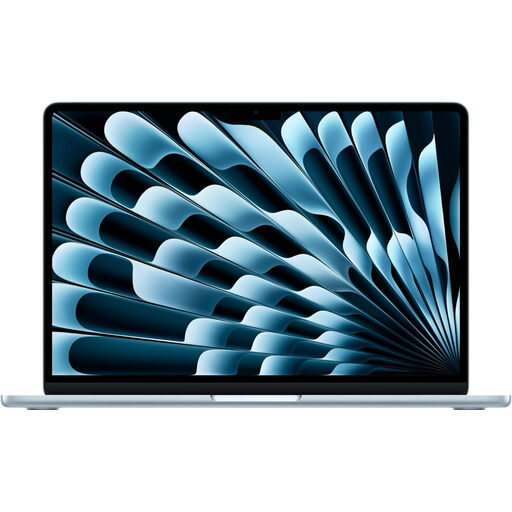 Image unavailable
This 13-inch model is an option if your calendar-design applications, fonts and other workplace tools support macOS.
Apple specifies USB-C charging from a USB Power Delivery source with a minimum 30W input for the 13-inch M5 MacBook Air.
Apple’s up-to-15-hour figure measures wireless web use, so plan separately for the demands of your design work.
 Image unavailable
This 14-inch Snapdragon model is a compact option to assess for calendar layouts, provided your required software works with its processor architecture.
Check design applications, plug-ins and printer drivers individually, and assess whether its display suits any colour-sensitive work.
Confirm battery-test conditions before planning an extended session away from sockets.
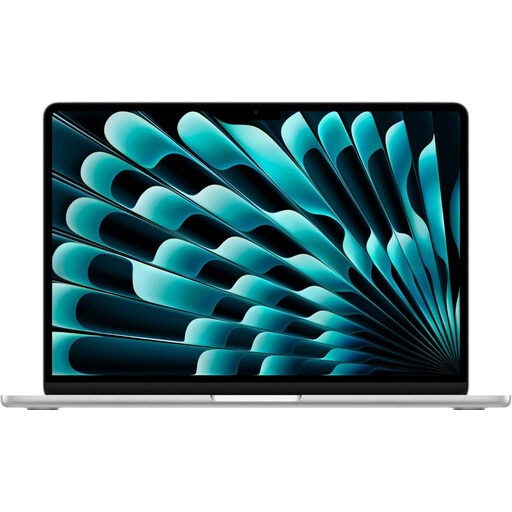 Image unavailable
Consider the 15-inch screen if reviewing calendar layouts on the laptop matters more to you than choosing the smaller MacBook Air format.
Check that your applications and peripherals support macOS, and confirm USB-C Power Delivery support and battery-test conditions for this 15-inch configuration before planning to work away from sockets.
Yes, if the exact laptop supports USB-C charging and the power bank supplies compatible USB Power Delivery output at sufficient wattage. Apple specifies a minimum 30W input for the 13-inch M5 MacBook Air; check the requirements of any other model separately rather than judging by its port shape.
No, but confirm that every application, plug-in, printer driver and other tool your workflow requires supports the device you choose. Microsoft documents Windows on both Arm and x86/x64 processors, while software vendors such as Adobe publish requirements for their individual desktop applications.
Keep your order confirmation and the product description, including any charging or battery claims that influenced your purchase. In the UK, section 9 of the Consumer Rights Act 2015 requires goods supplied under a consumer contract to be of satisfactory quality; the details of a particular fault and the purchase will matter when seeking a remedy.
Use an appropriate electrical-equipment collection or recycling route rather than putting the laptop in ordinary waste. GOV.UK explains that the UK’s waste electrical and electronic equipment framework is intended to support recovery, reuse and recycling; check your local authority or a retailer for an available collection option.