Who is this for?

Online record researchers

If you search archives, inspect record images and update a web-based tree while away from home, focus on a readable screen, a current browser and a size you are happy to carry. Ancestry cautions that some features may not work in an outdated browser.

Researchers keeping a local archive

If you save records and photos on the laptop or use desktop genealogy software, check application compatibility, storage capacity and your backup arrangements. Software MacKiev says some data in linked Family Tree Maker and Ancestry trees does not synchronise.

Consumers using cafe Wi-Fi

If you sign in to genealogy, email or cloud accounts while out, keep software updated and enable two-step verification. The National Cyber Security Centre recommends both measures; a laptop brand alone does not protect an account.

What matters when choosing?

Compact macOS laptop

Consider it when: Your research is mainly browser-based and the desktop applications you might use support macOS.

Check before choosing: Apple lists two Thunderbolt 4/USB-C ports plus MagSafe on the current MacBook Air, so existing USB-A devices, HDMI displays or card readers may need adapters.

Windows laptop

Consider it when: You rely on a Windows-specific application or want a configuration with ports for your existing devices; Lenovo lists built-in USB-A and HDMI on the ThinkPad X13 Gen 6.

Check before choosing: Ports and other specifications vary by model and configuration, and a Windows label alone does not establish compatibility with a particular genealogy application.

Concern What to check Who this matters to
Carrying and battery use Compare laptop and charger weight, then assess battery claims against your usual browsing and screen settings. If I carry the laptop to cafes regularly, bag weight and working away from a socket matter most. Around 25% of consumers would put portable, all-session use first.
Reading records Check the exact screen size, resolution, brightness and finish; try a compact screen if you compare documents side by side. Small print and scanned documents make screen readability my priority, even if a larger display means carrying more. Roughly 25% of consumers would prioritise reading records comfortably.
Online access and accounts Choose a laptop that supports current browser updates, and plan how you will connect when cafe Wi-Fi is unsuitable. Enable two-step verification for important accounts. I need access to online records without treating a public connection as protection for my accounts. Around 31% of consumers would make dependable online access and account security their primary concern.
Local files and software Confirm your desktop application supports the chosen system, assess SSD capacity for saved records and keep an independent backup. Keeping a tree, images and downloaded records on my laptop makes software compatibility and file management decisive. About 19% of consumers would put that local workflow first.

What should you avoid?

  • Taking an advertised battery maximum as your cafe runtime

    An ‘up to’ battery figure is not a promise for sessions with your screen brightness, browser tabs and connected devices.

    Compare the stated test conditions with your likely use. If you regularly work for long periods, check charging options for the exact laptop and carry a compatible charger.

  • Choosing ports without checking your devices

    Apple lists two Thunderbolt 4/USB-C ports plus MagSafe on the current MacBook Air, while Lenovo lists USB-A and HDMI on the ThinkPad X13 Gen 6. Neither port arrangement tells you whether every device you own will connect.

    List your scanners, drives, card readers and displays, then compare their connections with the exact laptop configuration.

    A USB-C hub, card reader or display adapter may be needed for devices with other connections.

  • Relying on cafe Wi-Fi to protect your accounts

    The National Cyber Security Centre warns that attackers on public or insecure networks may be able to intercept or modify data.

    Keep your system and browser updated, enable two-step verification and use a connection you trust for sensitive account activity.

  • Confusing synchronisation with a complete backup

    Software MacKiev says linked Family Tree Maker and Ancestry trees synchronise core data, but some data types do not transfer.

    Check the transfer rules for your chosen service and keep a separate backup of valuable records and local files.

Relevant brands to consider

Apple

The MacBook Air is a compact macOS option for browser-led family-history research, provided your other software and devices fit that setup.

  • Apple specifies a 13.6-inch, 2560 × 1664 display with 500-nit brightness and rates the current model for up to 15 hours of wireless web use under its test conditions.
  • Apple lists two Thunderbolt 4/USB-C ports plus MagSafe; check connections and macOS compatibility before choosing a configuration.

Lenovo

The ThinkPad X13 Gen 6 is a compact Windows route worth examining if built-in connections matter to your research setup.

  • Lenovo lists USB-A, HDMI and Thunderbolt 4 connections for the X13 Gen 6 range; a cited AMD configuration has a 13.3-inch, 1920 × 1200 anti-glare display.
  • Display, storage and optional mobile connectivity depend on the selected configuration, so check the exact model.

HP

Pavilion Aero 13 models are another compact Windows line to compare if carrying size is a priority.

  • HP's Pavilion Aero 13 specifications have included anti-glare display options and different memory and SSD configurations.
  • HP says configurations vary by country and customisation; check the screen, memory and storage of the exact model you are considering.

Joybuy laptop choices

These laptops offer different approaches to cafe research: compact MacBook Air configurations, Windows models with varying screen sizes, and larger models to assess if you keep files locally or connect peripherals. Compare each one with the software you use and the weight you want to carry.

Apple MacBook Air 13-inch M5, 24GB, 1TB SSD, Midnight

Apple MacBook Air 13-inch (2026), M5 10-core CPU and 10-core GPU, 24GB, 1TB SSD, Midnight

Consider this configuration if you want a compact laptop for browser-led research and space for locally saved records. Confirm that your desktop genealogy software and existing peripherals work with the MacBook Air, and compare its carrying weight if that will determine your choice.

View on Joybuy

ASUS Vivobook 14 X1407QA-LY003W, Snapdragon X, Quiet Blue

ASUS Vivobook 14 X1407QA-LY003W Copilot+ PC, Snapdragon X, 16GB RAM, 512GB SSD, Quiet Blue

Its 14-inch format is an option to consider for cafe visits. If you use desktop genealogy software or particular peripherals, check compatibility with this Snapdragon X configuration; compare its carrying weight and battery rating with your usual journey and session length.

View on Joybuy
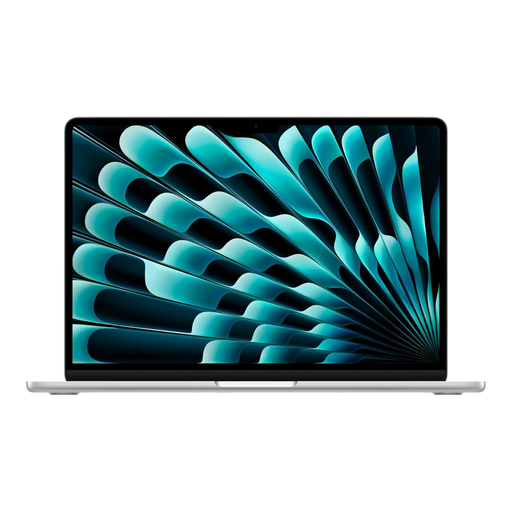
Apple MacBook Air 13-inch M5, 16GB, 512GB SSD, Silver

Apple MacBook Air 13-inch (2026), M5 10-core CPU and 8-core GPU, 16GB, 512GB SSD, Silver

This compact configuration may suit consumers who browse records and keep some files locally. Check the display and wireless details that matter to your cafe setup, along with compatibility for any desktop application or peripheral you intend to use.

View on Joybuy

ASUS Vivobook 15 X1504VA, 15.6-inch, 24GB, 1TB SSD, Cool Silver

ASUS Vivobook 15 X1504VA, 15.6-inch, Intel Core 5 120U, 24GB, 1TB SSD, Cool Silver

The 15.6-inch format is worth considering if you want more screen space for viewing records and a family tree. Weigh that preference against carrying a larger laptop to cafes, and check battery performance for your working sessions.

View on Joybuy

MSI Modern C2RMG-282UK, 15-inch FHD, 16GB, 512GB SSD

MSI Modern C2RMG-282UK, 15-inch FHD, Intel Core 5, 16GB DDR IV, 512GB SSD, 9S7-15H431-282

Consider this larger-screen model if local file storage and connecting existing devices are important to your research. Its 15-inch format calls for a carrying-size check; also confirm the wireless, display-finish and active-use battery details you need for cafe work.

View on Joybuy

Common questions

Do I need a Mac or Windows laptop for online family-history research?

Neither operating system is required for browser-based research: Findmypast provides online record and tree tools, while Ancestry advises keeping your browser up to date. If you also use desktop software, check that application before choosing; Software MacKiev offers Family Tree Maker 2024 for Mac and Windows.

What should I do before using cafe Wi-Fi for genealogy research?

Protect your device and accounts rather than relying on the network or laptop brand. The National Cyber Security Centre warns about risks on public or insecure networks; keep software updated, enable two-step verification and use a connection you trust for sensitive activity.

How much storage should I choose for family-history files?

Choose storage around what you intend to keep on the laptop. A 512GB SSD is a practical configuration to consider for downloaded images, photos and local tree data, while a mainly browser-based workflow may need less; check the capacity of the exact model.

Does synchronising an online tree back up all my research?

No: Software MacKiev says some data types do not synchronise between linked Family Tree Maker and Ancestry trees. Check which items your chosen service transfers and keep an independent backup of valuable local records.