What matters when choosing?
Settle software and audio-interface compatibility before comparing laptop configurations. The rows below cover the primary concerns of consumers choosing a laptop to edit field recordings in a student room.
macOS
Choose it when: Your required editor, plug-ins and audio hardware work with macOS.
Check: The exact model’s ports and storage; Apple lists two Thunderbolt 4 ports and a 256GB base SSD for the 13-inch M4 MacBook Air, which may affect a multi-device setup.
Windows
Choose it when: Your course software, plug-ins or interface require Windows, then select a configuration that fits your projects.
Check: For low-latency monitoring, Ableton recommends a compatible ASIO driver, which generally needs separate installation.
| Concern | What to check | Who this matters to |
|---|
| Editing headroom |
Check your editor’s operating-system, CPU and memory requirements, then consider the tracks, effects and other applications you will run together. Ableton lists 8GB RAM as a Live 12 minimum, not a recommendation for every session. |
If my coursework grows from trimming recordings to multitrack sessions, I want the laptop to handle the software I plan to run together. Around 40% of consumers put editing headroom first. |
| Project storage |
Check internal SSD capacity and your plan for backing up original recordings. Audacity advises fast, uninterrupted drive access and warns that USB thumb drives and ordinary network storage may be unreliable for active editing. |
I need room for working files, original recordings and exports without making a removable drive my only active project location; roughly 30% of consumers prioritise storage and backup. |
| Audio connections |
List your recorder, interface, headphones and backup drive; check connectors, adapters and operating-system drivers for the exact devices. For Windows monitoring, check the interface maker’s ASIO driver. |
If I use wired audio equipment, I need to know how it will connect and whether its driver works with my laptop. About 30% of consumers put audio compatibility first. |
Joybuy laptop choices
These macOS and Windows laptops offer different listed memory and storage configurations for field-recording projects. Choose by your software and hardware compatibility first; the list does not establish how any model performs in your particular editing session.
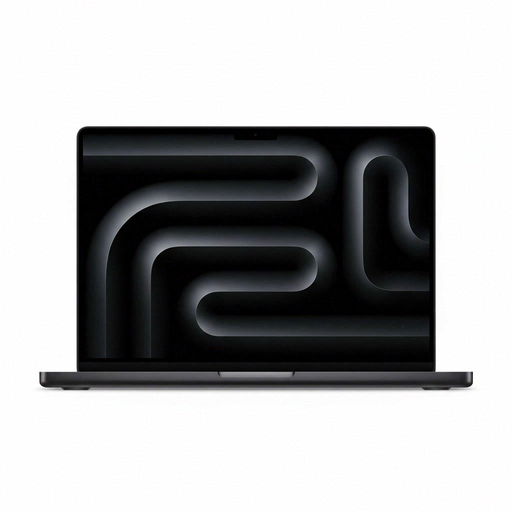 Image unavailable
Apple MacBook Pro 14.2-inch M5 Pro, 24GB/2TB, Space Black
Consider this macOS configuration if its software compatibility and listed memory and storage fit your projects.
The product name specifies a 15-core CPU, 16-core GPU, 24GB memory and a 2TB SSD. Confirm compatibility with your editor, plug-ins and interface, and check the power-adapter arrangements before ordering.
View on Joybuy
 Image unavailable
Apple MacBook Pro 16.2-inch M5 Max, 48GB/2TB, Space Black
Consider this larger macOS configuration if your planned work calls for its listed memory and internal storage.
The product name specifies an 18-core CPU, 40-core GPU, 48GB memory and a 2TB SSD. Check your software and interface compatibility, supplied charger and carrying requirements.
View on Joybuy
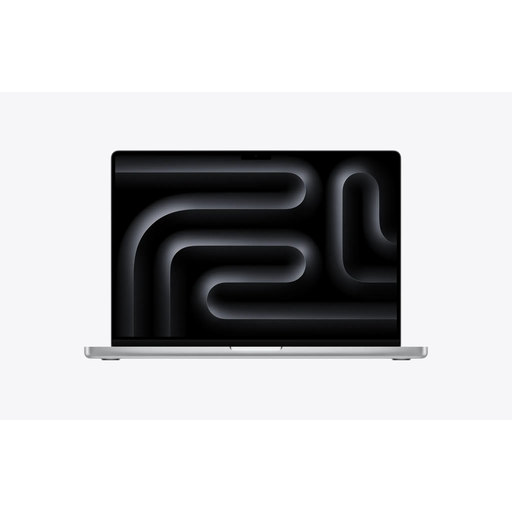 Image unavailable
Apple MacBook Pro 16.2-inch M5 Max, 36GB/2TB, Silver
Consider this macOS variant if its listed memory and storage suit the projects you intend to keep on the laptop.
The product name distinguishes it with an 18-core CPU, 32-core GPU, 36GB memory and a 2TB SSD. Confirm the exact software and interface fit, charger contents and portability before choosing it.
View on Joybuy
 Image unavailable
Lenovo LOQ Essential 15ARP11, Ryzen 7 170, 16GB/1TB
Consider this Windows laptop if its listed memory and SSD capacity match your editing and file-storage needs.
The product name also specifies a GeForce RTX 5050 and a 15.6-inch, 144Hz FHD display; those figures do not establish audio-editing performance. Check your DAW and interface drivers, and whether carrying a 2.30kg laptop suits your routine.
View on Joybuy
 Image unavailable
Lenovo Legion Pro 7 16IAX10H, 83F5000UUK, 64GB/2TB
Consider this Windows configuration if you need its listed memory and internal storage for your planned projects.
The product name specifies a 16-inch model with an Intel Core Ultra 9, GeForce RTX 5090, 64GB memory, a 2TB SSD and Windows 11 Home. Confirm your editor and interface drivers, as well as the connections, charger and carrying arrangements you need.
View on Joybuy
Common questions
Is 8GB RAM enough to edit field recordings?
It meets Ableton Live 12’s published minimum, but that minimum does not guarantee comfortable multitrack work. If you expect several tracks, effects or other applications open alongside your editor, consider more memory, such as 16GB, as purchasing headroom rather than an Ableton requirement.
Do I need an external audio interface for a field recording?
Not necessarily for basic editing and headphone review. An interface becomes relevant if you need additional inputs or outputs, microphone or instrument connections, or a particular monitoring setup; check its connector and operating-system support before choosing a laptop.
What should I check for low-latency audio on Windows?
Check whether your exact audio interface has a current manufacturer ASIO driver for the Windows version you intend to use. Ableton recommends ASIO for access to lower buffer sizes, while noting that interface drivers generally need separate installation.
Can I choose a CE-marked laptop for use in Great Britain?
CE marking can be recognised for applicable products placed on the market in England, Scotland and Wales: GOV.UK guidance states that Great Britain continues to recognise it alongside or in place of UKCA marking under the applicable rules. Northern Ireland follows different processes, and a marking alone does not establish that a particular laptop configuration meets your software or connectivity needs.
Does a laptop warranty replace my rights if it develops a fault?
No. Citizens Advice explains that warranties and guarantees add to legal rights rather than replacing them. Read the warranty’s coverage and exclusions, keep proof of purchase, and distinguish a fault claim from a change-of-mind return.


