What should you check before buying?
For field-trip lecture notes, establish what your course requires first. Then decide whether time away from a socket, handling protection or flexible note capture is the requirement that would settle a close choice.
| Concern |
What to check |
Who this matters to |
| Carry weight and battery use |
Compare the exact configuration’s weight and the activity used for its battery claim; plan around your note app and screen settings. |
If I will carry my laptop between stops and work away from mains power, those demands may outweigh a larger screen. Around 36% of consumers would put manageable carrying and untethered notes first. |
| Software, equipment and ports |
Confirm required app versions, offline use and device drivers with your course team; check connectors on the exact laptop. |
A field instrument or mandatory application has to work before I can rely on the laptop for notes. For around 29% of consumers, course-software and equipment compatibility would be the primary concern. |
| Knocks and minor splashes |
Read model-specific durability and spill-resistance claims; do not treat them as whole-device waterproofing. |
When repeated handling and damp conditions are credible risks, I would give protection priority over other conveniences. Around 21% of consumers would make handling resilience their deciding need. |
| Annotation and flexible capture |
Check touchscreen and hinge design, whether a suitable pen is supported, and what is included. |
If diagrams or maps are central to my notes, switching between typing and direct annotation matters most. That would be the leading need for around 14% of consumers. |
Relevant brands and product lines
These model-specific examples show different ways to address field-trip needs; a feature described for one model should not be assumed across its brand.
Lenovo
The ThinkPad X13 Gen 6 is a conventional Windows business-laptop example for students considering mobility, connectivity and serviceability.
- Lenovo UK describes a chassis weighing under 1kg, a replaceable battery, optional 5G and durability testing for the ThinkPad X13 Gen 6.
- Check the chosen configuration: these features and the available ports must not be assumed for every ThinkPad.
Apple
A 13-inch MacBook Air is a macOS route when the university’s applications and field equipment are confirmed to work with it.
- Apple UK lists two Thunderbolt 4 USB-C ports for its 13-inch specification and an up-to-15-hour wireless-web battery claim.
- That battery figure reflects Apple’s test, not a field-day guarantee; older connectors may require an adapter.
Microsoft Surface
The 13-inch Surface Laptop illustrates a compact Windows touchscreen route with USB-A alongside USB-C.
- Microsoft UK lists the 13-inch Surface Laptop at 1,225g, with two USB-C ports, USB-A and a 3.5mm jack.
- For a Snapdragon configuration, check specialist apps and equipment: Microsoft Support cautions that some peripherals or installers may not support ARM.
ASUS
The Chromebook CR11 Flip is a ChromeOS convertible to consider when flexible capture and frequent handling matter, provided coursework supports ChromeOS.
- ASUS describes a 360-degree touchscreen hinge, rubber bumper and spill-resistant keyboard for this model.
- Its durability-testing claim does not establish whole-device waterproofing or compatibility with a required university application.
Joybuy laptops for lecture notes
These conventional laptops offer different screen sizes and Windows or macOS configurations for typed lecture notes. Before choosing one for a field trip, check course-software compatibility, the connections you need and how you will charge it away from mains power.
 No image available
Acer Aspire Lite AL15-36P-C29Z, Intel N150, 8GB DDR4, 128GB SSD
Consider this Windows laptop if you want a 15.6-inch screen for typed notes and document viewing. Its product name specifies a Full HD display and Windows 11 Home; confirm the exact configuration’s carrying weight, battery performance and compatibility with required course apps.
View on Joybuy
 No image available
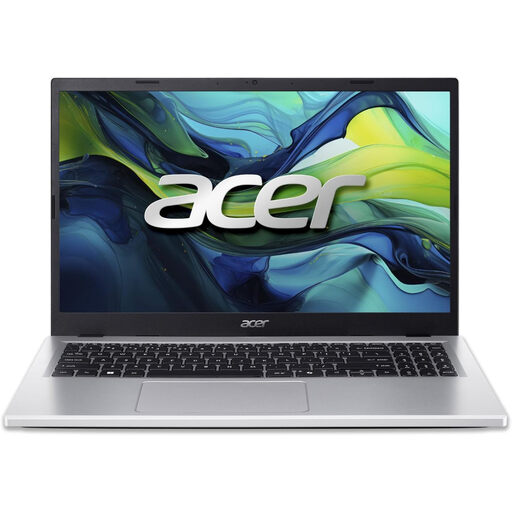
Acer Aspire Go 15 AG15-71P, Core i5-13420H, 8GB DDR5, 256GB NVMe SSD
This Windows 11 Home configuration is an option when a 15.6-inch Full HD screen suits your typed notes. Check its carrying weight, charging plans and required accessory connections before relying on it throughout the trip.
View on Joybuy
 No image available
ASUS Vivobook 14 X1407QA-LY003W, Snapdragon X, 16GB, 512GB SSD, Quiet Blue
The 14-inch format is worth considering if you prefer a smaller screen for carrying between stops. This Copilot+ PC uses a Snapdragon X processor: confirm that required course applications and driver-dependent field equipment work with this configuration, and check battery runtime for your workload.
View on Joybuy
 No image available
Apple MacBook Air 13-inch (2026), M5 10-core CPU and GPU, 24GB, 1TB SSD, Midnight
Consider this macOS laptop for typed notes only after confirming that your university’s applications and field equipment work with it. Its product name identifies an M5 configuration; check the exact laptop’s carry weight, connections and battery expectations for note-taking rather than relying on a different activity’s battery claim.
View on Joybuy
 No image available
Lenovo IdeaPad Slim 3 15Q8X10 83N30029UK, Snapdragon, 16GB, 256GB SSD, Grey
The 15.3-inch screen may appeal if you keep documents beside your notes. Before choosing this Snapdragon Windows configuration, confirm course-app and peripheral compatibility, the connectors you need and battery performance during your planned work.
View on Joybuy
Frequently asked questions
Will a laptop’s stated battery life last through my field trip?
Not necessarily: match the battery test activity to your planned use and make a charging plan. Apple UK lists up to 15 hours of wireless-web use for its 13-inch MacBook Air specification, while Microsoft UK lists up to 22.5 hours of video playback for the 13-inch Surface Laptop; those different tests cannot predict the runtime of your note app, screen settings and peripherals.
Can I use a Snapdragon Windows laptop for university coursework?
A Snapdragon Windows laptop may suit coursework, but confirm every required application and driver-dependent device before buying. Microsoft Support says some peripherals may not install through manufacturer installers that lack ARM support; ask your university or equipment supplier about the exact software and hardware you need.
Does MIL-STD-810H testing mean a laptop is waterproof?
No. A durability-testing claim does not establish a water-and-dust protection rating for the whole laptop, and ASUS’s spill-resistant-keyboard claim for the Chromebook CR11 Flip is narrower than waterproofing. Check the model’s stated protection and use a suitable cover or bag if rain is likely.
What if a laptop bought in the UK is faulty?
For a consumer purchase covered by the Consumer Rights Act 2015, a laptop that fails to meet statutory standards may qualify for a short-term right to reject. The explanatory notes published by Legislation.gov.uk describe a minimum 30-day period, normally starting after the latest of ownership, delivery and any required installation by the trader. Contact the seller with your order, delivery and fault details; this faulty-goods remedy is distinct from a change-of-mind return.


