Quiet-study writers
If you draft in a shared home or another quiet room, a cooling fan that starts and stops may distract you. Apple describes the M5 MacBook Air as fanless; check the acoustic behaviour of any other model you are considering.


For drafting a book synopsis in a quiet study, consider an M5 MacBook Air if avoiding fan noise is essential and your writing tools work on macOS: Apple describes its design as fanless. If you need Windows or a particular UK keyboard layout, compare screens and typing arrangements, then look for independent noise results for the exact configuration before buying.
If you draft in a shared home or another quiet room, a cooling fan that starts and stops may distract you. Apple describes the M5 MacBook Air as fanless; check the acoustic behaviour of any other model you are considering.
If you regularly move between a draft, notes and browser research, pay close attention to screen space and keyboard layout. Plan a backup for the work you are revising, too.
If a publisher, organisation or peripheral requires particular software, confirm that it works before changing operating systems. For an Arm-based Windows laptop, check the applications and devices your workflow depends on; Microsoft says most Windows apps can run, but compatibility deserves attention for specific requirements.
For a synopsis written mainly in a quiet study, establish your software requirements and tolerance for fan noise before weighing up screen space, keyboard layout and portability.
| Concern | What to check | Who this matters to |
|---|---|---|
| Quiet operation | Look for an explicit fanless design, or independent noise testing of the exact configuration. | When a cooling fan interrupts my concentration, I want to know how the laptop behaves during ordinary drafting; around 36% of consumers put quiet operation first. |
| Writing comfort | Compare resolution, screen shape, glare and UK keyboard layout; check the installed memory for your usual mix of documents and browser tabs. | With a draft and research open together, I need a screen and keyboard that suit long revision sessions; writing comfort comes first for around 29% of consumers. |
| Workflow compatibility | Confirm your word processor, file formats, citation tools and peripherals on the exact operating system and processor platform. | If a publisher's files or a specialist app determine how I work, I cannot choose on hardware alone; around 21% of consumers make workflow compatibility their primary concern. |
| Portability and battery | Compare carrying weight and the conditions behind manufacturer battery claims, particularly if you write away from a socket. | When I move my writing between rooms or take it elsewhere, carrying weight and charging interruptions matter most; around 14% of consumers prioritise portability and unplugged use. |
A slim case does not establish whether a laptop has a fan or how often it runs. Apple calls the M5 MacBook Air fanless, but that claim cannot be transferred to a Windows model simply because it is thin.
If fan noise could disrupt your writing, look for an explicit fanless design or independent acoustic testing of the exact configuration.
Two 14-inch screens can offer different amounts of document space: Lenovo lists a 1920 × 1200 display for the IdeaPad Slim 5i 83HR004TUK, while HP lists 1366 × 768 for the cited HP 14 configuration.
Compare resolution, screen shape and glare alongside keyboard layout, especially if you keep notes beside your synopsis.
A manufacturer's maximum battery figure is not a promise for a session with browser tabs, syncing and your chosen screen brightness.
Check the test conditions for the configuration you want and keep a charger available for longer sessions.
An incompatible app or peripheral can interrupt the workflow you bought the laptop for. A lost draft is also difficult to reconstruct.
Confirm essential software and devices before purchase. After setup, follow the National Cyber Security Centre's advice to apply updates and keep a backup online or on an external device.
The M5 MacBook Air line is relevant when avoiding cooling-fan noise is central to the writing setup.
The IdeaPad Slim 5i 14 configuration 83HR004TUK is a compact Windows reference for screen and keyboard comparisons.
The Dell 14 Plus is relevant if you want to examine a Windows laptop with a 16:10 display for working across document windows.
The cited HP 14 configuration provides another Windows reference, particularly for checking how much usable screen space a 14-inch laptop offers.
These laptops offer MacBook Air and Windows options for drafting a synopsis. Choose by your required software and writing setup, and check noise behaviour where a fanless design is not established.
 No image available
Consider the larger screen if you want more room for a draft and notes; Apple describes the M5 MacBook Air design as fanless. Confirm that your required writing apps and peripherals work on macOS.
M5 chip with 10-core CPU and 10-core GPU; 15-inch model; 16GB memory; 512GB SSD.
 No image available
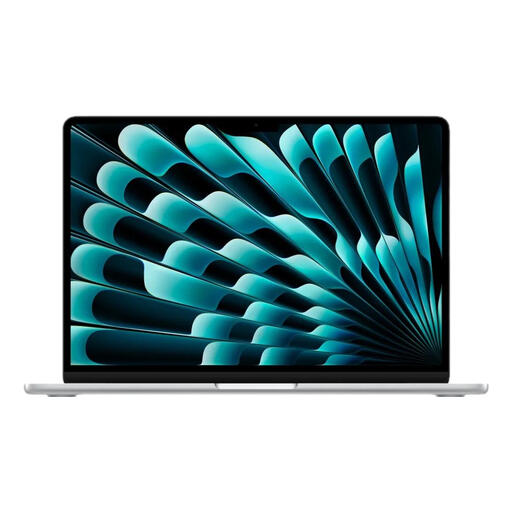
Consider the 13-inch format if you want a smaller writing laptop with Apple's fanless M5 design. Check macOS compatibility with any publisher tools and peripherals you need.
M5 chip with 10-core CPU and 10-core GPU; 13-inch model; 16GB memory; 1TB SSD.
 No image available
Consider this compact Windows option if your writing tools suit its Snapdragon X platform. Confirm specialist app and peripheral compatibility, and seek noise results for this configuration if fan sound is a deciding factor.
Snapdragon X processor; 16GB RAM; 512GB SSD.
 No image available
The dual-screen format may suit a draft alongside reference material. Check the typing arrangement, exact display specification and fan noise before committing to it for long sessions.
Intel Core Ultra 7 255H; dual 14-inch OLED touchscreens; 16GB LPDDR5X RAM; 1TB SSD.
 No image available
Consider the 15.6-inch format if you prefer a larger screen for reading and revising. Check its keyboard layout and acoustic behaviour for the quiet study where you will use it.
Intel Core 5 120U; 15.6-inch model; 24GB memory; 1TB SSD.
Not necessarily for document writing, browser research and routine multitasking. Prioritise a keyboard and screen you can work with comfortably, enough memory for your usual applications, and an operating system that runs your required tools; gaming graphics are not a requirement for the writing task itself.
An M5 MacBook Air is worth considering when avoiding cooling-fan noise is a firm requirement: Apple describes the design as fanless. Before moving from Windows, confirm that your essential apps, peripherals and file-sharing workflow work on macOS.
Check the exact writing, accessibility and specialist applications, along with printers or scanners you need. Microsoft says most Windows apps can run on Windows 11 Arm-based PCs, but that general guidance does not settle compatibility for every app or device in your workflow.
Keep your software updated and maintain a backup of the draft. The National Cyber Security Centre advises applying updates promptly and describes online or external-device backups; choose a method you can use regularly and check that you can retrieve your files.