Students working on demanding demo projects
If a session uses many effects or instruments, real-time processing and fast local storage matter. Ableton explains that insufficient processing capacity can cause gaps or clicks during audio work.


Start with a multi-core processor, a 16GB memory configuration and enough SSD space for your recording software, projects and plug-ins; those specifications alone cannot guarantee smooth playback with every project. Choose macOS or Windows around confirmed support for your software and audio interface, and plan separate listening checks because a laptop cannot correct the acoustics of a student room.
If a session uses many effects or instruments, real-time processing and fast local storage matter. Ableton explains that insufficient processing capacity can cause gaps or clicks during audio work.
Check the operating system against your recording software, plug-ins and interface before changing platforms. Focusrite documents different Windows and macOS audio workflows for its Scarlett interface, while Steinberg lists platform-specific plug-in formats.
A portable laptop can fit a student room, but the listening setup still affects decisions about tonal balance. iZotope discusses the effects of room acoustics and headphone listening, so checking a demo on more than one playback system remains useful.
For a demo-mastering setup in a student room, establish which software and interface you will use, then compare the laptop configuration, desk connections and listening setup.
| Concern | Buying checks | Who this matters to |
|---|---|---|
| Processing and storage | Compare the processor and memory configuration with your intended recording-software workload; allow SSD space for projects, plug-ins and exports. | If effects make a session stutter or projects fill the drive, keeping the work running takes priority. Around 31% of consumers would put processing and storage first. |
| Software and interface compatibility | Confirm the exact recording-software version and plug-in formats, then check support for your interface and operating system. | Keeping an established software and interface setup working matters more to some students than changing platform. Roughly 25% of consumers would make compatibility their primary concern. |
| Carrying and connections | Count the devices you connect at once and check the exact laptop's ports, charging connection and carry weight. | Moving between a student room and other workspaces is easier when I can still connect what I need at my desk. About 19% of consumers would prioritise carrying and connectivity. |
| Monitoring conditions | Plan how you will listen through headphones or speakers and check the demo on another playback system. | When a room or headphones make bass and tonal balance hard to judge, I need listening checks as well as a suitable laptop. Around 25% of consumers would put monitoring conditions first. |
Room reflections and headphone response can change how you hear bass and tonal balance; a different laptop will not remove those effects.
Use familiar reference tracks and check the demo on more than one playback system before finalising it.
A USB-C or Thunderbolt socket does not establish that your interface driver, operating system and recording software will work together.
Check support for the exact interface model and software versions, then count the devices you need to connect simultaneously.
Connecting everything at once may also require a compatible adapter or dock.
SSD capacity can differ between configurations of the same series, while projects, libraries and exports all need space.
Choose the exact storage configuration against your active files and keep a separate backup plan.
A smaller drive may bring forward the need for external storage.
The 13-inch MacBook Air is a compact macOS option for students whose recording software and interface support their chosen macOS version.
The Zenbook 14 OLED UX3405 family is a compact Windows option for students considering direct connections for desk equipment.
The ThinkPad X1 Carbon Gen 13 is a Windows business-laptop option for a student who places particular value on low carry weight.
These laptops offer different Windows and macOS configurations for a student-room demo setup. Match any choice to your recording software, interface and storage needs rather than treating its specifications as a guarantee of audio performance.
 Image unavailable
Consider this configuration if you want a compact laptop for projects stored locally.
It lists a Snapdragon X processor, 16GB RAM and a 512GB SSD. Before buying, confirm that your exact recording software, plug-ins and interface drivers support this Windows-on-ARM setup.
 Image unavailable
The 2TB SSD is worth considering if your active projects and libraries need substantial local space.
This 16-inch Windows 11 Home configuration lists an AMD Ryzen AI 9 HX 370 processor, NVIDIA GeForce RTX 5080 16GB graphics and 64GB RAM. Check its carry weight and confirm support for your recording software and interface; these specifications do not establish performance with your particular session.
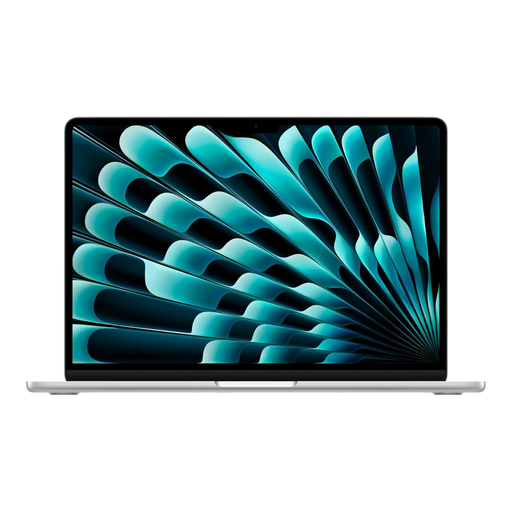 Image unavailable
This compact option suits a macOS workflow once your recording software, plug-ins and interface have been checked for compatibility.
The configuration lists an M5 chip with a 10-core CPU and 8-core GPU, 16GB unified memory and a 512GB SSD. Apple lists two Thunderbolt 4 ports for the 13-inch MacBook Air, so plan connections if several devices must remain attached.
 Image unavailable
The 15-inch display and 1TB SSD suit a student who wants a larger laptop screen and more local space for active files.
This configuration lists an M5 chip with a 10-core CPU and 10-core GPU and 16GB unified memory. Check its exact connections and carry weight for your setup, and confirm compatibility with your recording software and interface.
 Image unavailable
This configuration is worth comparing if you need a 1TB SSD for local projects and libraries.
Its name specifies an i7-13650H processor and 24GB memory. Check its carry weight if you regularly move between locations, and confirm support for your exact recording software, plug-ins and interface.
No: choose the operating system that supports your exact recording software, plug-ins and audio interface. Focusrite documents ASIO-supported recording software on Windows and Core Audio-supported recording software on macOS for its Scarlett workflow, while Steinberg lists different plug-in formats by platform.
No: laptop performance cannot remove room reflections or change how your headphones reproduce bass. Check the demo on more than one playback system; if you use calibration software, confirm it supports your listening equipment.
It can if the exact interface and your software support both systems, but a suitable socket alone is not enough. For the Focusrite Scarlett workflow described by Focusrite, Windows uses an ASIO driver and macOS uses Core Audio; check the guidance for your own interface model and operating-system version.
For a qualifying UK distance sales contract, the Consumer Contracts Regulations 2013, regulation 30, set the cancellation period to end 14 days after the day you or a nominated recipient takes physical possession of the goods. Check whether an exception applies and follow the seller's cancellation instructions; a change-of-mind cancellation is distinct from remedies for faulty or misdescribed goods.