Editors carrying recordings between locations
If you move between recording locations and a shared office, consider carry weight, space for active files and how readily you can connect headphones or an interface.


For routine field-recording edits, choose a laptop around the requirements of your audio software, with enough memory and internal SSD space for your projects, rather than assuming you need a discrete GPU. A portable Mac or Windows model can suit shared-office work if your software, audio interface and headphones connect as needed; consider a higher-capacity creator laptop when audio is part of a more demanding visual or production workflow. Check the exact configuration and, on Windows, your interface maker’s current driver support before ordering.
If you move between recording locations and a shared office, consider carry weight, space for active files and how readily you can connect headphones or an interface.
If your work depends on a USB interface or Windows-only software, check the exact interface driver, operating-system support and available ports before choosing a laptop.
If field recordings sit alongside video or other demanding creative projects, you may need more memory and storage than you would for routine audio edits alone.
Start with the software and equipment you already use, then choose memory, storage and a port layout that fit your projects and shared-office setup. Adobe recommends 16GB of RAM for HD media in Audition and a fast internal SSD for installation and cache; that is a software-specific reference, not a requirement for every audio editor.
| Concern | What to check | Who this matters to |
|---|---|---|
| Editing headroom and storage | Check your editor’s memory guidance and allow internal SSD space for active recordings and cache. | If I work with several tracks and restoration plug-ins, I want room for the editor and active files before choosing a thinner design. Around 38% of consumers put editing headroom and storage first. |
| Audio-tool compatibility | Confirm software and plug-in support, the exact interface driver, and the connections needed for headphones and peripherals. | My existing interface and software need to work together, and I do not want to discover a driver or connector problem after purchase. Compatibility is the primary concern for around 31% of consumers. |
| Shared-office practicality | Compare carry weight, screen size and the cable setup; seek information about noise under your workload if it could disturb colleagues. | When I carry the laptop between locations and work at a shared desk, I need a manageable setup. Around 31% of consumers place that practicality first. |
A basic edit launching successfully does not establish how the laptop will handle larger projects. Adobe’s cited Audition guidance recommends 16GB of RAM for HD media and a fast internal SSD for the application and cache.
Compare configurations against your own editor’s requirements and the size of your active projects, especially if you use several tracks or restoration plug-ins.
Port layouts differ. Apple lists two Thunderbolt 4/USB-C ports and a headphone jack on the cited MacBook Air, while Microsoft lists USB-A, USB-C/Thunderbolt 4 and a headphone jack for Surface Laptop 6 for Business.
List the devices you connect at once, including any interface, storage drive and card reader, then check the exact laptop’s ports and charging arrangement.
A hub, adapter or different dock may be needed to connect several devices at the same time.
Ableton recommends an ASIO driver on Windows, but that guidance does not establish driver support for a particular interface and Windows configuration.
Check the interface maker’s current support information for your exact model and connection method before buying.
ASUS positions ProArt P16 graphics options for demanding creator workflows; that does not mean a discrete GPU is necessary for a straightforward field-recording edit.
Consider that route when your projects also include substantial visual or GPU-accelerated work. Otherwise, give memory, storage, portability and audio-tool compatibility closer attention.
The cited MacBook Air configuration offers a compact macOS route for editors whose software and peripherals support it.
ThinkPad X1 Carbon Gen 13 Aura Edition is a Windows route for editors who put a light carry setup high on their list.
The ProArt P16 H7606 line is worth considering when field-recording edits are part of a wider, demanding creative workflow.
Surface Laptop 6 for Business provides a Windows connection layout to examine if you use both USB-A and USB-C equipment.
These laptops offer different starting points for field-recording work, from 16GB configurations to higher-capacity models that may also suit broader creative projects. Match the exact laptop to your software, interface and shared-office setup rather than treating the product order as a performance comparison.
 No image available
Consider this 14-inch model if you want a 16GB configuration for routine edits and can confirm that your editor, plug-ins and interface support its Snapdragon X platform.
Snapdragon X; 16GB RAM; 512GB SSD. Check the connections your equipment needs and seek model-specific noise information if nearby colleagues are a concern.
 No image available
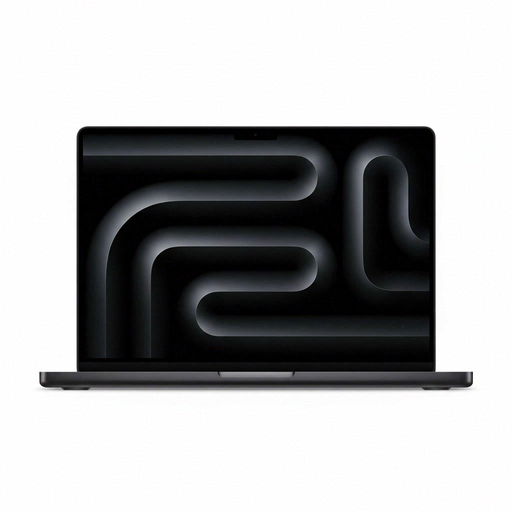
This configuration offers more stated memory and internal storage for larger active projects, provided your audio software and interface support macOS.
M5 Pro with 15-core CPU and 16-core GPU; 24GB unified memory; 2TB SSD. Check what is supplied for charging and whether its carry weight suits your routine.
 No image available
Consider this Windows configuration if your work extends beyond audio edits and you can accommodate a 15.6-inch laptop; check support for your exact interface driver.
16GB RAM; 1TB SSD; GeForce RTX 5050; 15.6-inch 144Hz FHD display. Do not choose its discrete graphics solely on the assumption that audio editing needs them.
 No image available
This higher-capacity Windows configuration is a route to examine if field recordings form part of demanding visual or other creative projects, rather than audio-only editing.
AMD Ryzen AI 9 HX 370; 64GB RAM; 2TB SSD; GeForce RTX 5080 16GB; 16-inch 4K OLED touchscreen; Windows 11 Home. Confirm your headphone connection and exact interface-driver support.
 No image available
This 16GB Windows configuration may suit an editor who wants a 15-inch screen, if their software, plug-ins and interface support its Snapdragon X Elite platform.
Snapdragon X Elite; 16GB RAM; 256GB SSD; PixelSense touchscreen. Consider how much internal space your active recordings need and whether you have an external-storage plan.
Start with your editor’s requirements and the space your active projects use. For Adobe Audition’s cited HD-media workflow, Adobe recommends 16GB of RAM and a fast internal SSD for installation and cache; other editors and project sizes may call for a different configuration.
Not automatically for audio-only work. Consider a laptop with discrete graphics if your projects also include demanding visual or GPU-accelerated tasks; ASUS positions ProArt P16 graphics options for those broader creator workflows.
Check the interface maker’s current driver support for your exact model and Windows configuration. Ableton recommends an ASIO driver on Windows, but that recommendation does not confirm compatibility with every interface.
Yes, if they cover the devices you use at the same time, including any charging connection. Apple lists two Thunderbolt 4/USB-C ports and a headphone jack for the cited MacBook Air; an interface, storage drive and card reader used together may call for a compatible hub.
Check the terms on the exact listing before ordering, particularly the seller’s return policy, warranty wording and repair arrangements. Terms shown for one laptop or seller should not be assumed to apply to another.