What matters when choosing?
Start with the tasks that cannot be changed—particularly course software and assessments—then check everyday usability and the support remaining on the exact device.
Windows laptop
Consider it when: A required application specifies Windows, provided the exact laptop meets that application’s requirements.
Check carefully: Microsoft’s Windows 11 minimum hardware requirements do not establish how well a particular course application will run.
Chromebook
Consider it when: Your course, forms and communication tools all work through supported ChromeOS workflows.
Check carefully: Google says ChromeOS and browser updates stop after a model’s final software update; check that model’s schedule.
Mac laptop
Consider it when: Your required applications support macOS and its accessibility tools suit your own workflow.
Check carefully: Apple’s built-in accessibility features do not establish compatibility with a particular course platform or assistive device.
Tablet with a keyboard
Consider it when: Your learning provider and essential services confirm that every required task works on the tablet operating system.
Check carefully: A keyboard does not resolve unsupported software or assessments. The Open University says some modules cannot use a tablet as the primary device.
| Concern | What to check | Who this matters to |
|---|
| Course and software compatibility |
Confirm the operating systems, applications and assessment workflows required by your provider. Check application requirements separately from operating-system minimums. |
If I cannot complete a required assessment on my main device, other conveniences will not make up for it. Around 33% of consumers put course and software compatibility first. |
| Forms and online accounts |
Check the required browser or app workflow and whether the keyboard and screen make longer forms practical. |
When I regularly complete forms and manage accounts at home, I need a device I can use reliably for those tasks. Roughly 27% of consumers place this everyday access first. |
| Accessibility and ease of use |
Try the display, input controls and accessibility settings with any assistive technology you use; check the relevant websites too. |
I need to read, navigate and enter information without the device itself becoming an obstacle. About 20% of consumers give accessible, manageable use priority. |
| Refurbished condition and support |
Check the exact model’s update eligibility, battery and testing disclosures, condition description, and the trader’s returns and warranty terms. |
If I choose a refurbished primary laptop, I want to understand its condition and what happens if a fault appears. Around 20% of consumers put that assurance first. |
Joybuy laptop choices
These Windows laptops and Chromebook offer different screen sizes, input options and operating-system routes for home learning and online tasks. Check your required software and services against the exact model before choosing.
 No image available
ASUS Vivobook 15 X1504VA, 15.6-inch, Cool Silver
Consider this laptop for documents and home study if its software environment meets your course requirements.
Intel Core 5 120U, 24 GB RAM and 1 TB SSD. Confirm the applications you need and the battery runtime for active use.
View on Joybuy
 No image available
Acer Chromebook Plus 514 CB514-5H, 14-inch, Iron
Consider this Chromebook for browser-led study and forms only if your required applications and assessments support ChromeOS.
WUXGA (1920 × 1200) display, Intel Core i3-1315U, 8 GB RAM and 256 GB SSD. Check the exact model’s automatic-update end date.
View on Joybuy
 No image available
HP OmniBook X Flip 16-as0004na, 16-inch
The convertible touchscreen gives you laptop and tablet-style input for study tasks, subject to the requirements of your applications.
Intel Core Ultra 5 226V, 16 GB RAM, 512 GB SSD and Windows 11 Home. Check the device’s weight and active-use battery runtime if you plan to carry it frequently.
View on Joybuy
 No image available
Microsoft Surface Laptop 7, 15-inch, Maya Color
Consider the larger touchscreen for study and online tasks, but check every required desktop application against this model’s processor.
Snapdragon X Elite, 16 GB RAM and 256 GB SSD. Confirm active-use battery runtime if working away from a charger matters.
View on Joybuy
 No image available
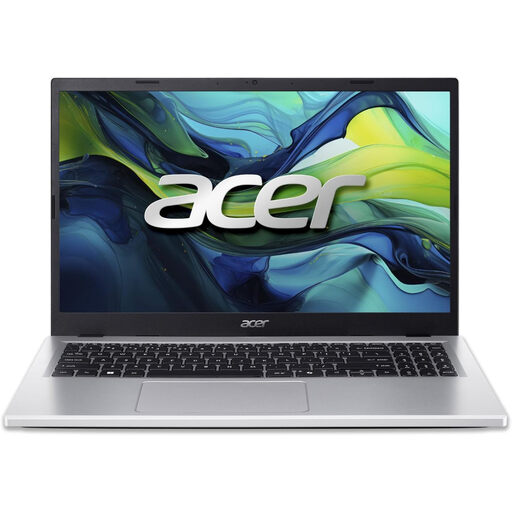
Acer Aspire Go 15 AG15-71P, 15.6-inch, Silver
This laptop offers a keyboard-and-screen setup for home typing and browsing; check that it runs your required course applications.
Intel Core i5-13420H, 8 GB DDR5 RAM, 256 GB NVMe SSD and Full HD display. Confirm the installed Windows edition, including whether it is in S mode, before buying.
View on Joybuy
Common questions
Can a Chromebook be my main computer for learning and forms?
Yes, if your course platforms, assessments, applications and essential websites all work through supported ChromeOS workflows. Check the exact model’s update schedule too: Google says ChromeOS and browser updates stop after its final software update.
Can I use a tablet with a keyboard instead of a laptop?
Only if your provider and essential services support the tablet for every task you must complete. The Open University advises checking module requirements and identifies a module where a tablet can access some material but cannot serve as the primary device or be used for its online exam.
What should I check on a refurbished Windows laptop?
Confirm the exact model, Windows 11 eligibility, required application compatibility, battery and testing information, and the trader’s returns and warranty terms. Microsoft’s operating-system minimums are a separate check from the requirements of your course software.
Do rights apply when I buy a second-hand laptop from a trader?
Yes. Citizens Advice says rights relating to faulty goods apply to second-hand as well as new purchases, while a warranty adds to rather than replaces legal rights. Keep the listing and condition description: disclosed faults and ordinary wear affect what can reasonably be expected of a second-hand device.


