What matters when choosing
Choose the operating system against your course requirements, then compare the screen and desk setup you will use for reading. Offline access matters if you need to keep working when your connection drops.
Windows laptop
Consider it when: Your course specifies Windows applications or you want to keep that option open for later modules.
Trade-off: Screen, memory and connections differ between configurations, so choose by the exact model rather than its range name.
macOS laptop
Consider it when: Your course confirms that its required applications and files work on macOS.
Trade-off: Some course software is Windows-only; check accessory connections as well if you use older USB devices.
Chromebook
Consider it when: Reading, learning platforms and documents are mainly browser-based, and your course supports ChromeOS.
Trade-off: Offline features cover selected tasks, not every application or course workflow. Google Chromebook Help advises setting up offline access in advance.
| Concern |
What to check |
Who this matters to |
| Course compatibility |
Check your department’s operating-system guidance and the named applications used for assessed work. |
If this is my main study computer, I need it to run required coursework software, not just open reading materials. Around 45% of consumers would put course compatibility first. |
| Reading workspace |
Compare the exact screen size and display specification; check ports if you plan to connect a monitor. |
Long documents and notes need to remain workable on my desk without making the laptop awkward to place or carry. Reading-workspace comfort would come first for around 33% of consumers. |
| Browser and offline work |
Confirm ChromeOS support and required file formats; set up supported offline tasks before relying on them. |
Most of my exercises use web tools, but I still want selected documents available if the connection drops. Around 22% of consumers would prioritise this browser-first way of working. |
Laptops for reading and coursework
These Joybuy choices include Windows laptops in different screen sizes and a compact MacBook Air. Compare their exact configurations with your course requirements and the space available on your desk.
 No image available
ASUS Vivobook 15 X1504VA, 15.6-inch, 24GB, 1TB SSD
Consider this model if you have room for a 15.6-inch laptop while preparing readings at a desk.
The product name specifies an Intel Core 5 120U processor, 24GB memory and a 1TB SSD. Check the exact operating system, connections and expected battery runtime against your coursework and desk setup.
Joybuy
 No image available
ASUS Vivobook 14 X1407QA-LY003W, Snapdragon X, 16GB, 512GB SSD
The 14-inch format is worth considering if desk space matters, provided this configuration runs the applications your course requires.
The product name specifies a Snapdragon X processor, 16GB memory and a 512GB SSD. Confirm compatibility with each required application before buying this Snapdragon-based model.
Joybuy
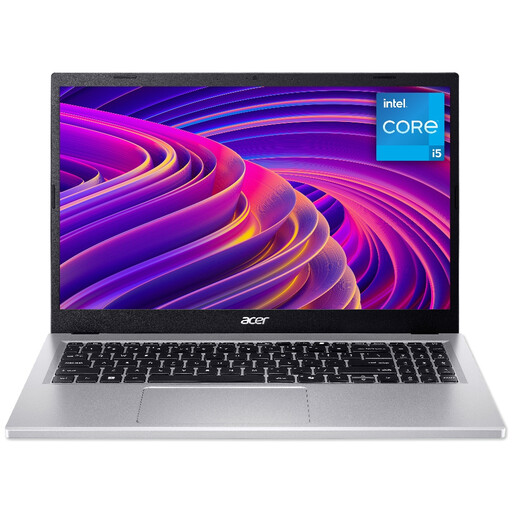 No image available
Acer Aspire Go AG15-71P, 15.6-inch Full HD, 8GB, 512GB SSD
Consider its 15.6-inch format for desk-based reading if you have space for the larger laptop.
The product name specifies an Intel Core i5-13420H processor, 8GB memory and a 512GB SSD. University of Bristol guidance describes 8GB as a minimum for most of its students, but check your own course requirements. Battery-duration claims for this listing conflict, so confirm what to expect before relying on it away from a socket.
Joybuy
 No image available
HP OmniBook Ultra Flip 14-fh0006na 2-in-1
Its stated convertible design may be useful if you want to change how you position the laptop for reading and note preparation.
The product name identifies 16GB memory and Windows 11 Home. Listing details conflict on the display, storage and graphics configuration; confirm the exact 14-fh0006na specification before deciding whether it fits your desk and coursework.
Joybuy
 No image available
Apple 13-inch MacBook Air (2026), M5, 16GB, 1TB SSD
Its 13-inch format may suit a smaller desk if your course confirms that its required applications work on macOS.
The product name specifies an M5 chip, 16GB memory and a 1TB SSD. Check this configuration’s display and ports if you need particular accessories or an external monitor.
Joybuy
Frequently asked questions
Is a Chromebook enough for reading exercises?
It can be if your work is browser-based and your course confirms ChromeOS support. Google Chromebook Help describes offline access for selected documents and saved pages, but check required applications and file workflows too; the University of Bristol and Loughborough University caution against Chromebooks as main student devices in their respective guidance.
Should I choose 8GB or 16GB of memory?
Use your course’s software requirements to decide, particularly if you expect to work across several applications. The University of Bristol describes 16GB as ideal and no less than 8GB for most of its students; that guidance does not establish a requirement for every course.
Do I need a large laptop screen in a student room?
Not necessarily: a smaller laptop may fit your desk more easily, while a larger screen may give you more room for documents. If you regularly view a source and your notes side by side, compare the actual screens and check whether an external monitor would fit and connect.
What should I do with an old laptop?
Back up what you need and remove personal data before handing it over. Oxfordshire County Council advises clearing personal information from old devices; check an appropriate local recycling, reuse or retailer take-back route for the laptop.
What if my new laptop is faulty?
Keep the order confirmation, product listing and details of the fault, then contact the trader promptly about a remedy. GOV.UK provides consumer-rights guidance for faulty goods; a retailer’s change-of-mind return process is a separate matter.


