Start with the input method your study language requires and the software you use: Microsoft Support documents switching Windows keyboard layouts, while Apple Support documents adding and switching macOS input sources. For a small desk, compare each laptop’s width and depth with the space left for your hands and study materials, then check the exact physical keyboard configuration rather than choosing by screen size alone.
Who this choice affects
Learners switching between writing systems
If you move between English and another layout, check how you will switch inputs while practising. Microsoft Support documents Windows keyboard layouts and Japanese conversion input; Apple Support documents macOS input sources.
People practising at a small desk
If a notebook, textbook or mouse shares your desk, compare the laptop’s full width and depth with your clear work area. A screen’s diagonal measurement does not tell you how much desk space the laptop occupies.
Learners practising for longer sessions
If you spend extended periods looking between the keys and your lesson, consider lighting, screen position and breaks as well as laptop features. The UK Health and Safety Executive identifies poorly designed workstations and incorrect display-screen use as potential contributors to discomfort, fatigue and eye strain.
What to check before buying
For foreign-language typing on a small desk, establish the required input method first, then check the space available for typing and how you will arrange longer practice sessions.
| Concern |
What to check |
Who this matters to |
| Language input |
Confirm the layout or input method for your target language and that your study software runs on the operating system. |
If I switch between English and Japanese, I need a conversion workflow I can use during practice. Around 42% of consumers put language input first. |
| Desk fit |
Compare the exact laptop width and depth with your clear desk area, allowing space for study materials. |
With a notebook beside my laptop, I need room for both the keys and my hands. Desk fit comes first for around 33% of consumers. |
| Session comfort |
Check screen placement and lighting; verify a backlight on the exact configuration if you need one. |
For longer practice sessions, I need to see my lesson clearly without relying on a keyboard feature to fix my desk setup. Around 25% of consumers prioritise session comfort. |
Common buying mistakes
-
Assuming a UK keyboard shows your study language
Software input switching does not change the characters printed on the keys. If you rely on visible legends, an English (UK) keyboard may make unfamiliar characters harder to locate.
Check photographs and the keyboard specification for the exact configuration. Confirm the required Windows layout, macOS input source or input method before ordering; Apple Support also documents Keyboard Viewer for inspecting a macOS layout.
-
Choosing by screen diagonal alone
A 13- or 14-inch display measurement does not show whether the laptop will fit beside a textbook or leave room for a mouse.
Measure the usable desk area and compare it with the exact model’s chassis width and depth, leaving working space around the laptop.
-
Treating a backlight as a complete desk setup
A backlight can help you see the keys in dim light, but it does not address glare or an awkward screen position. The UK Health and Safety Executive also identifies workstation arrangement and use as relevant to discomfort and fatigue.
Check that the selected configuration has a backlight if you need one, and arrange lighting, screen position and breaks for longer sessions.
Relevant brands to consider
Apple
The 13-inch MacBook Air is a compact macOS option for learners who prefer Apple’s input-source workflow.
- Apple Support documents adding input sources, switching between them and viewing the active layout in Keyboard Viewer.
- Check the physical keyboard variant and whether your study software runs on macOS. Apple’s MacBook Air specifications list two Thunderbolt 4/USB-C ports and a headphone jack, so check your peripheral connections too.
Lenovo
A ThinkPad X13 Gen 6 configuration illustrates a compact Windows option with a documented English (UK) keyboard.
- Lenovo UK lists a 13.3-inch WUXGA display and a backlit English (UK) keyboard for the cited configuration.
- Keyboard and backlight details can vary between X13 configurations; confirm them on the exact model you are considering.
Acer
The Swift Go 14 line offers a 14-inch Windows route when your desk can accommodate the selected model’s footprint.
- Acer lists IPS and OLED display choices and a 180-degree hinge for the Swift Go 14 line.
- Display and keyboard configurations vary. Check the selected model’s dimensions, physical layout and display specification.
Joybuy laptops for compact desks
These choices show a 14-inch Windows laptop and a 13-inch-class MacBook Air for foreign-language typing. Compare their operating systems and exact desk fit against your own input method, software and workspace needs.
 No image available
ASUS Vivobook 14 X1407QA-LY003W Copilot+ PC, Snapdragon X, 16GB RAM, 512GB SSD, Quiet Blue
Consider this 14-inch Windows option if your desk has room for the laptop and your study materials. Microsoft Support documents adding and switching Windows keyboard layouts; confirm the input method for your language, study-app compatibility and the physical keyboard layout of this configuration.
View on Joybuy
 No image available
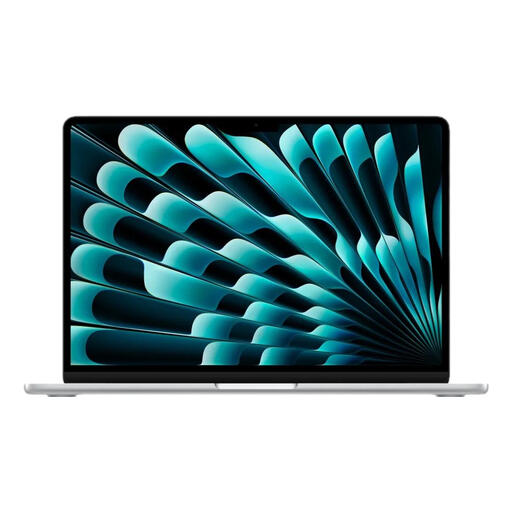
Apple 13-inch MacBook Air (2026) M5, 10-core CPU and GPU, 16GB, 1TB SSD, Silver
Consider this macOS option if you prefer Apple’s input-source switching and want a 13-inch-class laptop. Apple Support documents adding and switching input sources; check the source for your study language, software compatibility, physical keyboard variant and chassis dimensions before buying.
View on Joybuy
Common questions
Do I need foreign-language characters printed on the keys?
Not necessarily: Windows and macOS both offer software-based language input, as documented by Microsoft Support and Apple Support. If you learn by looking at printed characters, check the physical keyboard variant as well as the exact layout or input method your language requires.
Should I choose Windows or macOS for Japanese typing?
Choose the system that supports your preferred study software and input workflow, rather than assuming either is universally preferable. Microsoft Support documents conversion and prediction candidates in its Japanese IME; Apple Support documents adding and switching macOS input sources. Check the specific workflow you intend to practise.
Is a 14-inch laptop too large for a small desk?
A 14-inch laptop can work if its full width and depth fit while leaving room for your hands and study materials. Measure your clear desk area and compare it with the exact model’s chassis dimensions; screen diagonal alone cannot settle the question.


