Choose a laptop around your editing software and the footage you regularly handle, then check its memory, graphics and SSD configuration rather than relying on its screen size or brand. For Premiere Pro, Adobe recommends at least 32GB RAM on Windows or Intel-based Macs; a shared-office workflow also calls for a suitable local media-cache location and a plan for shared files and network capacity. The choice between a MacBook Pro and a Windows laptop depends on your applications, graphics needs and office setup.
Who needs to consider what?
Premiere Pro video editors
If effects, exports and other applications are part of your regular editing session, assess the configured memory and graphics as well as the processor. Adobe recommends 32GB RAM or more for Premiere Pro on Windows or Intel-based Macs; that recommendation should not be applied unchanged to an Apple silicon configuration.
Shared-office collaborators
When colleagues use common project files or media, the laptop is only part of the setup. Adobe’s Premiere guidance makes local media-cache placement, consistent shared-storage paths and network capacity relevant to the workflow.
Editors who review colour on the laptop
If you review or grade footage away from an external display, compare the panel in the exact configuration. ASUS and Lenovo describe creator-focused displays in their ProArt P16 and Yoga Pro 9i lines, but a display name alone does not establish the specification of every variant.
What matters when choosing?
Settle the software and office-file workflow before comparing laptop configurations: macOS and Windows may suit different applications, but either route still needs storage and connectivity that fit the way you edit.
MacBook Pro
Consider it when: You use macOS editing tools or want the HDMI, SDXC and Thunderbolt connections Apple lists for current MacBook Pro models. Apple also lists hardware H.264, HEVC, ProRes and ProRes RAW media engines on its M5-family specifications.
Check before choosing: Confirm the exact memory and SSD configuration, and whether your office requires Windows-only applications or management tools.
Windows laptop with NVIDIA graphics
Consider it when: Your editing applications or office setup require Windows, or your workflow calls for a specified NVIDIA GPU. ASUS positions ProArt P16 configurations with RTX laptop graphics for demanding video work.
Check before choosing: An RTX or OLED label does not identify the RAM, GPU, SSD or display in the particular configuration you are buying.
| Concern |
What to check |
Who this matters to |
| Editing performance and memory |
Match the configured RAM and graphics to your editor, footage and effects. Adobe recommends at least 32GB RAM for Premiere Pro on Windows or Intel-based Macs. |
If my usual projects combine footage, effects and other open applications, I want enough headroom for that recurring workload. Around 36% of consumers put editing performance and memory first. |
| Shared storage and connectivity |
For a shared Premiere Production, check consistent storage paths, a suitable local media-cache location and the office network. |
When colleagues work from common files, I need projects to open from the intended location without treating shared storage as my local cache. Shared-workflow readiness comes first for around 29% of consumers. |
| Display and changing desks |
Compare the exact panel specification and the ports needed for your display, camera media and peripherals. |
If I review footage on the laptop and move between desks, I care about the screen and the connections I will actually use. Around 21% of consumers prioritise display and desk flexibility. |
| Software and office compatibility |
Confirm operating-system support for your editor, plug-ins and required codecs, plus access to office files and IT tools. |
Before choosing macOS or Windows, I need my editing tools and office arrangements to work together. For around 14% of consumers, platform compatibility is the primary concern. |
Buying pitfalls
-
Choosing by processor or display label alone
Neither label tells you the installed RAM, graphics configuration or SSD capacity. For Premiere Pro on Windows or an Intel-based Mac, Adobe recommends 32GB RAM or more.
Compare the full configuration with the footage, effects and applications you use regularly.
-
Expecting shared storage to replace local storage
Adobe advises keeping Premiere media-cache files and the cache database on the workstation’s boot drive or a fast directly attached SSD, rather than on shared storage.
Plan the cache location and check the office network alongside the shared project and media location.
Depending on the laptop and workflow, you may also need to connect and manage a separate SSD at the desk.
-
Assuming every version of a laptop family is alike
Apple, ASUS and Lenovo describe configurations with differing memory, storage, graphics or display options. A family description cannot identify every specification of the unit you select.
Check the complete model and variant, including RAM, SSD, GPU, panel, ports and operating system, before ordering.
Relevant brands to consider
Apple
The MacBook Pro line is relevant if your editing tools run on macOS and you want connections for importing media or attaching a desk display.
- Apple lists hardware H.264, HEVC, ProRes and ProRes RAW media engines for current M5-family MacBook Pro specifications, alongside HDMI, SDXC and Thunderbolt connections.
- Choose memory and SSD capacity for the exact model and confirm compatibility with your office software.
ASUS
The ProArt P16 H7606 line is a Windows route for editors comparing NVIDIA graphics and creator-focused display configurations.
- ASUS describes H7606 options with Ryzen AI 9 processors and RTX 50-series laptop graphics, and positions them for demanding video workflows.
- GPU, memory, storage and panel options vary; check the particular configuration rather than applying ASUS’s line-wide claims to every unit.
Lenovo
The Yoga Pro 9i Gen 10 Aura Edition is a Windows creator-laptop line for shoppers considering a 16-inch display and NVIDIA graphics options.
- Lenovo describes configurations with Intel Core Ultra processors, NVIDIA graphics and a PureSight Pro OLED display.
- Confirm the selected GPU, RAM, SSD and panel; Lenovo’s description is not an independent editing-performance test.
Laptops for these editing needs
These Joybuy choices include Windows editing laptops and MacBook Pro configurations. Compare each variant with your software and footage, then check how its storage and connections fit your shared-office setup; the laptop alone does not establish network capacity or how quietly it runs under load.
 No image available
ASUS ProArt P16 H7606WW-SE006W, 16-inch 4K OLED touch, RTX 5080
Consider this Windows configuration if your regular editing workload calls for substantial memory and a specified NVIDIA GPU.
Ryzen AI 9 HX 370; GeForce RTX 5080 with 16GB graphics memory; 64GB RAM; 2TB SSD; Windows 11 Home.
If screen colour or shared-office noise is decisive, check panel details and acoustic information for this exact configuration.
Joybuy
 No image available
Apple MacBook Pro 16.2-inch M5 Max, 48GB/2TB, Space Black
Consider this macOS configuration when your editing applications and office file-sharing arrangements support it.
M5 Max with 18-core CPU and 40-core GPU; 48GB unified memory; 2TB storage. Apple lists HDMI, SDXC and Thunderbolt connections for current MacBook Pro models.
Confirm plug-in compatibility and check acoustic information if you will edit beside colleagues.
Joybuy
 No image available
Lenovo Legion Pro 7 16IAX10H, RTX 5090, 83F5000UUK
Consider this Windows laptop if your editor can use its specified NVIDIA graphics and you need a 16-inch machine.
Intel Core Ultra 9; GeForce RTX 5090; 64GB RAM; 2TB SSD; Windows 11 Home.
Check its weight, panel details and noise under editing load if you will carry it or use it near colleagues.
Joybuy
 No image available
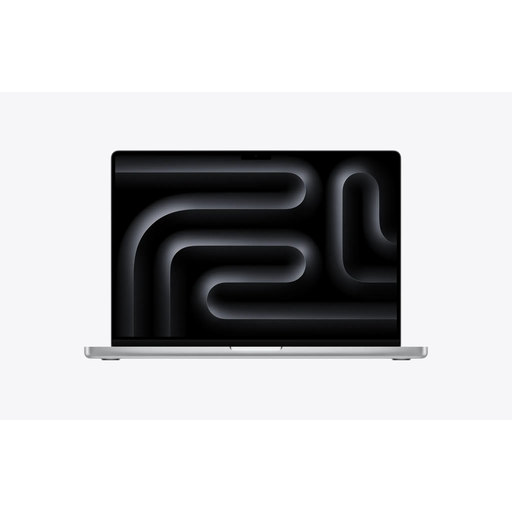
Apple MacBook Pro 16.2-inch M5 Max, 36GB/2TB, Silver
This macOS variant is worth comparing if its memory configuration fits your footage and application workload.
M5 Max with 18-core CPU and 32-core GPU; 36GB unified memory; 2TB storage. Apple lists HDMI, SDXC and Thunderbolt connections for current MacBook Pro models.
Check software and plug-in compatibility, along with acoustic information if office noise matters.
Joybuy
 No image available
Apple MacBook Pro 14.2-inch M5 Pro, 24GB/2TB, Silver
Consider this smaller macOS configuration if its memory and screen size suit your usual edits and desk setup.
M5 Pro with 15-core CPU and 16-core GPU; 24GB unified memory; 2TB storage. Apple lists HDMI, SDXC and Thunderbolt connections for current MacBook Pro models.
Adobe’s cited 32GB Premiere recommendation applies to Windows and Intel-based Macs, not this M5 Pro configuration; assess its 24GB unified memory against your own footage, effects and multitasking needs.
Joybuy
Frequently asked questions
How much RAM should I look for when editing in Premiere Pro?
Adobe recommends 32GB RAM or more for Premiere Pro on Windows or Intel-based Macs. That figure is not a blanket requirement for Apple silicon; compare the memory in an M-series configuration with your footage, effects and other applications.
Can our team keep Premiere media cache on a shared drive?
Adobe advises keeping Premiere media-cache files and the cache database on each workstation’s boot drive or a fast directly attached SSD, rather than shared storage. Shared projects and media also require storage paths and network capacity that suit the team’s workflow.
What should a mixed Mac and Windows office check before sharing a Premiere Production?
Check that each workstation can access the intended shared files through consistent paths. Adobe advises using the same volume name across macOS systems and the same mapped drive letter across Windows systems; also confirm that the storage setup supports your intended workflow.
Is a faulty laptop covered by the same rules as a change-of-mind return?
No. For a UK consumer goods contract, statutory remedies when goods fail to meet required standards are distinct from a retailer’s voluntary change-of-mind policy. The Consumer Rights Act 2015 provides a short-term right to reject subject to its conditions; check whether you are buying as a consumer or for business use, and keep your proof of purchase.


