Shared-desk spreadsheet reviewers
You compare lists with receipts, photos or browser pages at one desk and want enough viewing room to keep relevant records in sight. Connections for a monitor or other desk accessories may also matter.


For household inventory work at a shared desk, start with a conventional laptop whose screen, memory and connections suit the records you review together. A larger built-in screen is useful if rows, receipts and photos need to stay visible side by side; a compact 14-inch laptop makes more sense if it moves between rooms, provided you check its monitor connection. Choose a touchscreen convertible for regular handwriting or image markup, and verify every specification against the exact configuration.
You compare lists with receipts, photos or browser pages at one desk and want enough viewing room to keep relevant records in sight. Connections for a monitor or other desk accessories may also matter.
You usually review records at the shared desk but sometimes work elsewhere. A compact laptop may be easier to move, while a compatible desk display can provide more viewing room when needed.
You mark up item images, make handwritten notes or turn the screen towards someone else while reconciling the inventory. Those tasks give touch and convertible handling a purpose beyond ordinary spreadsheet use.
Decide how you will view the inventory at the shared desk, then compare the exact laptop configurations for local files, everyday use and any annotation you actually do.
| Concern | What to check | Who this matters to |
|---|---|---|
| Viewing records together | Check screen size and resolution. If using a monitor, confirm video output and the connection it needs on the exact laptop. | When I compare inventory rows with receipts and photos, I want room to see them together rather than continually switching windows; around 33% of consumers put screen workspace first. |
| Apps and local files | Compare the exact RAM and storage capacities with the applications and files you expect to keep on the laptop. | I need to move between a spreadsheet, browser pages and saved records without losing track of my work; roughly 25% of consumers make multitasking and file management their primary concern. |
| Keeping the setup straightforward | Check the operating system, display, memory, storage and warranty for the specific configuration instead of relying on a range name. | If my inventory is mainly a simple list, I want a laptop that handles the task without features I will not use; about 25% of consumers put straightforward use first. |
| Touch and annotation | Confirm the touchscreen and hinge design, plus stylus compatibility and whether a stylus is included. | When I mark item photos or handwrite notes, touch input changes how I work; approximately 17% of consumers place annotation first. |
Lenovo UK and Acer United Kingdom show different display, memory and storage configurations within the laptop lines discussed here. A family name alone does not identify the equipment you will receive.
Use the exact part number or SKU to check the screen, RAM, storage, ports, operating system and warranty before choosing.
The presence of USB-C does not, by itself, establish that a particular port carries video. A compact screen may be less convenient for side-by-side records if the planned monitor connection does not work.
Identify the monitor input, then check for a compatible HDMI connection or confirmed USB-C display output on the exact laptop.
Connecting the display may also require a compatible cable or adapter.
A folding touchscreen serves a different workflow from reviewing records mainly with a keyboard and mouse. Acer United Kingdom describes the Aspire 5 Spin 14 as a touchscreen convertible, but its form factor is not necessary for every inventory task.
Prioritise a convertible when handwriting, image markup or turning the screen towards another person is a regular part of the review.
An old device may still contain household documents and personal information. GOV.UK guidance on electrical equipment describes recovery, reuse and recycling as aims of the UK WEEE framework.
Back up the files you need, remove personal data and check an appropriate reuse or electrical recycling route.
The IdeaPad Slim 3 examples from Lenovo UK illustrate conventional 14-inch and 15-inch-class options for reviewing records at a desk.
Acer United Kingdom provides examples of both conventional Aspire laptops and an Aspire Spin touchscreen convertible.
The cited HP Store UK 14-inch laptop offers a configuration to consider for straightforward household records.
These laptops cover larger-screen desk use and one compact 14-inch option. Compare their exact configurations with your inventory files and desk arrangement; check monitor-output compatibility separately if an external display is part of your setup.
 Image unavailable
Consider this configuration if inventory review will mostly happen at the desk and you want a 15.6-inch built-in screen.
 Image unavailable
The 15.6-inch format is relevant if you mainly review household records at the shared desk.
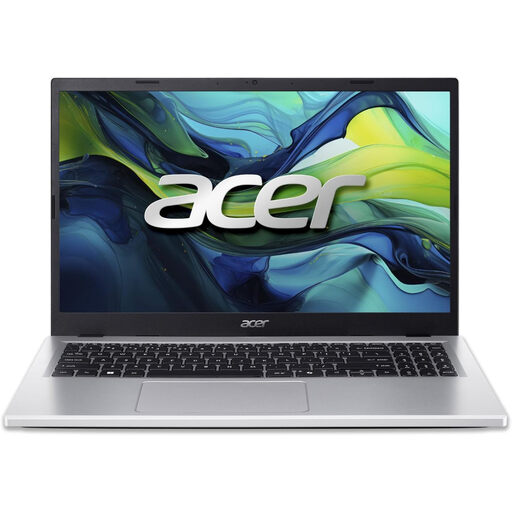 Image unavailable
This 15.6-inch laptop is an option for desk-based review when its local storage capacity fits the household’s files.
 Image unavailable
The 14-inch format suits a shared desk when you also want to move the laptop between rooms.
 Image unavailable
This 15-inch touchscreen model is relevant if you review records at the desk and sometimes interact directly with the screen.
Choose a 15-inch-class laptop if it will mainly stay at the shared desk and you want more built-in viewing room for records. A 14-inch model makes more sense if moving it between rooms matters; check its connection to your desk monitor if you expect to use one. Lenovo UK lists both 14-inch Full HD and 15.3-inch 1920 × 1200 IdeaPad Slim 3 examples, but their configurations differ.
No, not for review done mainly with a keyboard and spreadsheet. Consider touch or stylus input if you regularly mark up item images, handwrite notes or turn the screen towards someone else; confirm stylus compatibility and whether one is included with the exact configuration.
Match the exact laptop’s video output to the monitor’s input and the cable or adapter you will use. Do not assume that a USB-C port supports video; check the specification of the laptop configuration you intend to buy.
Back up the records you need, remove personal data and check a suitable reuse or electrical recycling route. GOV.UK guidance on the UK WEEE framework describes recovery, reuse and recycling of electrical products and components as its aims.