What matters when choosing?
For interview transcription in a quiet study, establish your typing and playback method first, then check portability, software compatibility and the way you will handle recordings.
| Concern |
What to check |
Who this matters to |
| Typing and audio replay |
Confirm the keyboard layout and a suitable connection for your headphones; consider whether the screen accommodates both text and playback controls. |
If I type while repeatedly replaying an interview, I want a keyboard and headphone setup that keeps both tasks manageable. Around 42% of consumers may put manual typing and playback first. |
| Portability |
Check the exact configuration’s weight and whether its screen and connections still suit your work. |
Moving between a study, library and interview location makes carrying weight a bigger concern for me than a larger desk setup; roughly 25% of consumers may prioritise portability. |
| Transcription tools |
Confirm operating-system support, whether the application handles saved audio files, and compatibility with any foot pedal or headset. |
If my work depends on a particular transcription application or accessory, I need it to work with the laptop I choose. Around 17% of consumers may put tool compatibility first. |
| Identifiable recordings |
Review the transcription service’s processing and retention terms, plus device access and backup settings, where interview material identifies someone. |
When an interview can identify a person, I need to decide how its recording and transcript will be stored and shared; approximately 16% of consumers may prioritise that handling workflow. |
Joybuy laptop choices
These laptops offer different approaches to typing and replaying interviews at a study desk, from compact designs to a larger screen. Match the exact keyboard, audio setup and software compatibility to your own workflow before choosing.
 Image unavailable
HP OmniBook Ultra Flip 14-fh0006na 2-in-1 Copilot+, 16GB RAM, 1TB SSD
Consider this Windows 11 Home 2-in-1 if you want a laptop that can also be used in a folding-screen arrangement while working through recordings.
Its named configuration has 16GB RAM and a 1TB SSD. Confirm the UK keyboard layout, headphone connection and compatibility with your transcription application or foot pedal.
View on Joybuy
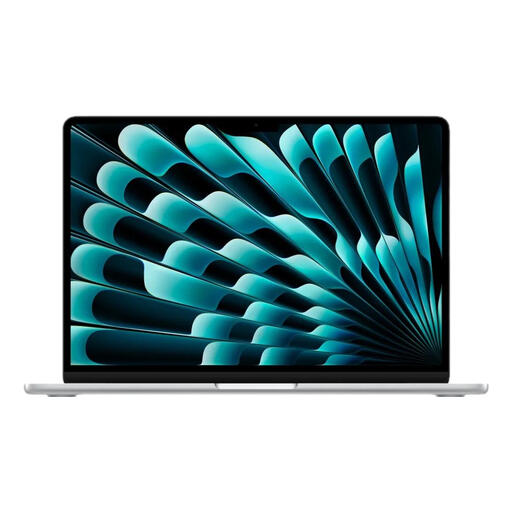 Image unavailable
Apple MacBook Air 13-inch (2026), M5 10-core CPU and GPU, 16GB, 1TB SSD, Silver
Consider this compact macOS option if your transcription software, collaborators and any foot pedal support that platform.
The named variant has 16GB memory and a 1TB SSD. Apple Support lists a 3.5 mm headphone jack and two Thunderbolt 4 USB-C ports for the 13-inch M5 MacBook Air; check the keyboard layout and connections needed for your accessories.
View on Joybuy
 Image unavailable
ASUS Zenbook DUO UX8406CA-QL135W 14-inch Dual OLED Touch, Core Ultra 7 255H, 16GB, 1TB SSD
Consider the dual-screen arrangement if you want separate space for a transcript and playback controls, while checking that its detachable-keyboard setup suits your typing routine.
The named variant has 16GB LPDDR5X RAM and a 1TB SSD. Confirm the exact display configuration, audio connections and transcription-tool compatibility before ordering.
View on Joybuy
 Image unavailable
ASUS Vivobook 14 X1407QA-LY003W Copilot+ PC, Snapdragon X, 16GB, 512GB SSD, Quiet Blue
Consider this 14-inch option for a conventional laptop arrangement, provided your transcription application and accessories work with the exact configuration.
The named variant has 16GB RAM and a 512GB SSD. Check the UK keyboard layout, backlighting and the connections required for audio replay or a foot pedal.
View on Joybuy
 Image unavailable
Microsoft Surface Laptop 7 15-inch, Snapdragon X Elite, 16GB, 256GB SSD, Maya Color
Consider the larger PixelSense touchscreen if you prefer more screen space while reading a transcript and controlling playback.
The named configuration has 16GB RAM and a 256GB SSD. Check whether that capacity suits the recordings and exports you will retain, as well as the keyboard layout and compatibility with your transcription tools.
View on Joybuy
Common questions
Do I need a laptop microphone to type up a recorded interview?
No microphone is needed to listen to a recording and type the transcript manually. If you plan to dictate text instead, Google Docs Editors Help says its voice-typing feature requires a working microphone.
Will Voice Access or Google Docs voice typing transcribe my audio file?
Do not assume either feature accepts a saved interview recording. Microsoft Support describes Voice Access as Windows 11 voice control and text authoring, while Google Docs Editors Help describes voice typing through a microphone; check an intended transcription application’s file-import, playback and export features separately.
What should I check before uploading an identifiable interview?
Check how the service will process, secure, retain and delete the recording, and who will be able to access it. The Information Commissioner’s Office defines personal data in relation to an identified or identifiable person; where the material falls within UK data-protection rules, the applicable responsibilities also depend on your role and how you use it.
Is a larger SSD necessary for transcription?
Choose SSD capacity according to the recordings, transcript exports, applications and backups you intend to keep locally. A larger drive does not settle how sensitive files are backed up or synchronised, so review those settings separately.
Which after-sales details should I check before ordering?
Check the seller, exact keyboard layout, included warranty, support route and return terms on the product listing you intend to use. Terms shown for one laptop or configuration should not be assumed to apply to another.


