Writing-first students
If most of your work is typing exercises, reading prompts and switching between documents and learning sites, pay attention to the keyboard, display and memory. Check the webcam and microphone if your lessons include calls.


A Windows 11 laptop with 16GB RAM and a 512GB SSD is a sensible starting point for writing language exercises if it fits your budget and course requirements; those capacities align with Heriot-Watt University’s broad student guidance. A MacBook Air is an option once your course confirms macOS compatibility. Consider a Chromebook only if the course confirms that browser-based tools cover its requirements, as Heriot-Watt warns that some programme software may not run on one.
If most of your work is typing exercises, reading prompts and switching between documents and learning sites, pay attention to the keyboard, display and memory. Check the webcam and microphone if your lessons include calls.
If your course may require installed applications or assessment tools, confirm its operating-system requirements before choosing a laptop on the strength of browser access alone. Heriot-Watt University cautions that some programme software may not run on a Chromebook.
If the laptop will travel between your room and teaching or study spaces, weigh its size, weight, charging arrangement and ports alongside typing comfort. The University of Warwick recommends a laptop for students who need a device across campus, residences and home.
Confirm the course’s required software before comparing configurations; then decide how much portability and writing comfort matter to your routine.
| Concern | What to check | Who this matters to |
|---|---|---|
| Course software | Ask which operating systems and installed applications the course requires, including any assessment tools. | If my course adds an application later, I need a laptop that can run it rather than one that merely opens the learning website. Roughly 40% of consumers put course compatibility first. |
| Portability | Compare the exact laptop’s weight, screen size, charging arrangement and ports for the devices you carry. | When I move between my room and campus, carrying the laptop and connecting my usual accessories need to remain manageable. For roughly 30% of consumers, portability is the primary concern. |
| Writing and online lessons | Check the keyboard and display, plus memory, storage, webcam and microphone for your intended workload. | I spend long stretches typing and reading, with documents, learning sites and sometimes a call open together. Writing and online-study usability comes first for roughly 30% of consumers. |
Browser-based exercises may work, but Heriot-Watt University warns that Chromebooks are generally unable to run some software a programme may require.
Ask your course which applications and assessment tools you must use, not just whether its website opens in a browser.
If required software cannot run on the device, you may need access to another compatible computer.
Configurations can differ substantially. ASUS describes a Vivobook 14 X1404 configuration with 16GB RAM and a 512GB SSD, while Acer lists an Aspire Go 14 AG14-21P-R14T configuration with 4GB RAM and a 128GB SSD. HP also notes that Pavilion Plus 14 components vary by configuration and region.
Compare the exact model and variant you are buying, including its installed memory, storage, screen and operating system.
Manufacturer battery figures use particular test conditions: Apple’s MacBook Air figure is for wireless web use. Connection needs also differ; Apple lists two Thunderbolt 4/USB-C ports for its cited 13-inch model, while the cited ASUS Vivobook 14 X1404 specification includes USB-A, USB-C and HDMI.
Check the battery-rating basis and list the peripherals and displays you will connect before deciding whether you need an adapter.
A specification list cannot tell you how a keyboard feels to use. GOV.UK describes a time-limited cancellation right for eligible distance purchases; remedies for faulty or misdescribed goods are separate.
Check the seller’s terms, then promptly assess the keyboard, display and course access when the laptop arrives. Keep your order records.
The Vivobook 14 X1404 is a Windows-laptop reference for students comparing a compact writing setup.
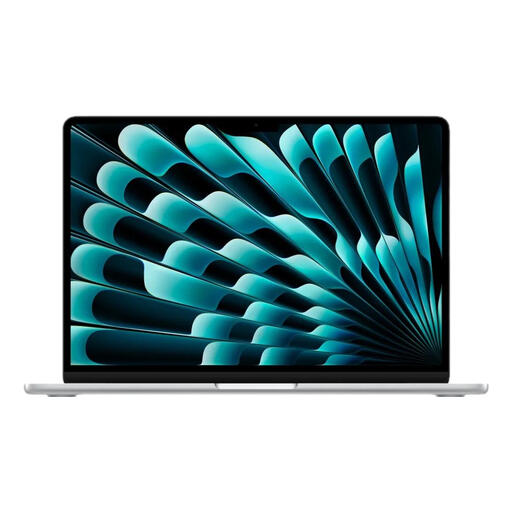
The 13-inch MacBook Air is worth considering when a course confirms that its required tools work on macOS.
The Aspire Go 14 AG14-21P-R14T illustrates a lower-memory Windows configuration for basic-workload comparisons.
The ThinkPad E14 Gen 8 AMD is a 14-inch business-oriented Windows line to compare by exact configuration.
The Pavilion Plus 14-ew0000 series provides another 14-inch laptop line to compare at variant level.
These laptops offer Windows and macOS choices for writing and online study. Compare each exact configuration against your course’s software requirements and the space and connections you use.
 No image available
A 14-inch option for writing and document work when its platform suits your course. The named Quiet Blue variant has a Snapdragon X processor, 16GB RAM and a 512GB SSD.
Confirm that required course applications work with this Snapdragon X configuration, and check battery runtime for your study routine.
 No image available
Consider this Cool Silver variant if you want a 15.6-inch screen for working with documents in your room. Its name specifies an Intel Core 5 120U processor, 24GB RAM and a 1TB SSD.
Check the keyboard layout and battery runtime, particularly if you will also carry it to classes.
 No image available
A macOS choice for language exercises once your course confirms that its applications and assessments are compatible. This Silver variant’s name specifies an M5 chip, 16GB memory and a 1TB SSD.
Check the ports against your peripherals, as well as the weight and battery runtime you need when studying away from your room.
 No image available
Consider this Windows 11 Home convertible if a 16-inch touchscreen suits the way you work in your room. The named variant has an Intel Core Ultra 5 226V processor, 16GB RAM and a 512GB SSD.
Check its weight, keyboard, ports and battery runtime if you plan to carry it regularly.
 No image available
A 15.6-inch Windows 11 Home option to assess for basic document and browser work. This Silver variant’s name specifies an Intel N150 processor, 8GB RAM and a 128GB SSD.
Those capacities are below Heriot-Watt University’s broader 16GB and 512GB student target. Check whether they suit your workload and whether any S mode restrictions affect required course applications.
Not necessarily: Heriot-Watt University’s general student guidance allows for Windows or Apple laptops, but your programme may have its own requirements. Choose Windows when required software needs it; choose macOS only after confirming that the course’s applications and assessment tools work on it.
A Chromebook is an option only if your course confirms that its exercises and required tools will work on it. Heriot-Watt University advises caution because some programme software may not run on Chromebooks.
They are a broader student-device target, not a universal minimum for typing language exercises. Heriot-Watt University suggests these capacities for longevity; if you are considering less memory or storage, check your expected tabs, applications, downloads and course requirements against the exact configuration.
Confirm that your course’s applications and assessments work on macOS before buying. Then check whether the ports on your chosen model accommodate your USB-A devices or HDMI display, and treat Apple’s wireless-web battery figure as a rating for that activity rather than a promise for every study session.
Eligible UK distance purchases have a time-limited cancellation right, according to GOV.UK. Check the applicable deadline and seller’s instructions promptly; a problem with faulty or misdescribed goods raises separate rights, rather than depending solely on a change-of-mind return policy.