Developers working away from a reliable socket
If you work away from a desk or share sockets with other equipment, check the laptop’s charging method and rated battery capacity. Neither tells you how long your own database workload will run.


Choose memory and SSD capacity for the database, containers and development tools you run together, then check that the operating system and processor architecture suit your existing stack. An Apple-silicon laptop makes sense when essential tools support ARM64 and USB-C Power Delivery charging matters; a Windows x86 laptop may be a more straightforward choice for Windows-specific tools or x86_64 workflows, provided its Docker and WSL 2 setup meets your requirements. Battery ratings do not predict how long either machine will run your database workload.
If you work away from a desk or share sockets with other equipment, check the laptop’s charging method and rated battery capacity. Neither tells you how long your own database workload will run.
A database, Docker containers, an IDE and browser tools all need room to run alongside one another. Choose the configured memory and SSD capacity for that combined workload, particularly if memory cannot be upgraded later.
If your project depends on Windows, WSL 2, x86_64 images or platform-specific software, check those requirements before choosing a laptop for its charging or battery specification.
Choose when: Your database images and essential tools support ARM64, and charging from a suitable USB-C Power Delivery source would help when sockets are scarce.
Trade-off: Docker supports Apple-silicon Macs, but says some optional Darwin/AMD64 command-line tools may still need Rosetta 2.
Choose when: Windows-specific tools, x86_64 images or a Linux-on-Windows workflow are central to your project.
Trade-off: Check the chosen laptop’s Windows and WSL 2 setup as well as its memory and storage; Docker lists WSL version 2.1.5 or later for its x86_64 WSL backend.
| Concern | What to check | Who this matters to |
|---|---|---|
| Memory for concurrent tools | Check the exact configuration and whether its memory can be upgraded. Size it for the database, containers and applications you normally run together. | If several services stay open beside my IDE and browser, I want enough memory configured from the start. Around 34% of consumers put concurrent-workload memory first. |
| Charging with limited sockets | Confirm USB-C Power Delivery support, minimum charging wattage and the adapter supplied with the exact laptop. Treat battery capacity as a specification, not a runtime promise. | When I cannot count on a free socket, I need a charging arrangement that works where I work. For around 33% of consumers, socket independence is the primary concern. |
| Platform compatibility | Check essential images, extensions and tools for ARM64 or x86_64 support. For a Windows Docker workflow, confirm WSL 2 readiness. | My project’s images or Windows tools have to run before battery features matter to me; around 25% of consumers make compatibility their first priority. |
| Local SSD capacity | Allow space for database files, container images, volumes and backups; confirm the SSD capacity of the exact configuration. | If I keep substantial project data and backups locally, I need room for them as the project grows. Around 8% of consumers put storage capacity first. |
Apple’s stated MacBook Air battery-life figures describe video-streaming and wireless-web use, not a database running alongside containers and an IDE.
Compare rated capacity and charging options, but plan a charging margin for longer sessions with your own stack.
Docker supports Apple silicon, but its documentation notes that some optional Darwin/AMD64 tools may need Rosetta 2. A required image or tool may therefore change the platform decision.
Check essential database images, extensions and command-line tools for ARM64 support before committing to an Apple-silicon laptop.
A USB-C connector alone does not establish that a laptop accepts charging through that port or that a particular charger supplies the required power. The UK Office for Product Safety and Standards has also reported a specific replacement laptop charger presenting fire and electric-shock risks.
Check charging support and minimum wattage for the exact laptop, and choose a suitable charger from a reputable source.
ASUS lists on-package memory for the cited Zenbook S 14 UX5406 variants, while MacBook Air unified memory is selected with the configuration. The capacity chosen at purchase matters for future workloads.
Confirm the exact laptop’s memory layout and choose capacity for the services you expect to run together.
The 13-inch MacBook Air M5 is a macOS option when your stack supports Apple silicon and flexible USB-C charging matters.
The Zenbook S 14 UX5406 range offers Windows configurations worth checking when 32GB of configured memory is a priority.
The ThinkPad T14 Gen 6 is a Windows business-laptop line to consider when a higher-memory configuration suits your local stack.
These laptops offer different configured memory and storage choices for local database work. Compare their exact charging arrangements and your project’s platform requirements before deciding which fits work away from a socket.
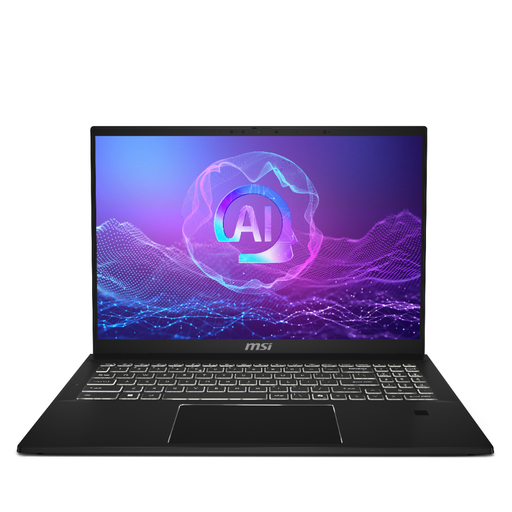 No image available
Consider this configuration if you want 32GB of memory for concurrent local services and development tools. Its listed specifications include a 1TB SSD and a 16-inch QHD+ 165Hz display. Confirm USB-C charging support, the required wattage and the supplied adapter for your socket-limited setup.
 No image available
This 16GB configuration is worth assessing for a more modest local database workload rather than assuming it will cover several containers at once. The title lists a 1TB SSD, GeForce RTX 5050 and 15.6-inch FHD 144Hz display. Check your WSL 2 requirements and the exact charging arrangement before relying on it away from a socket.
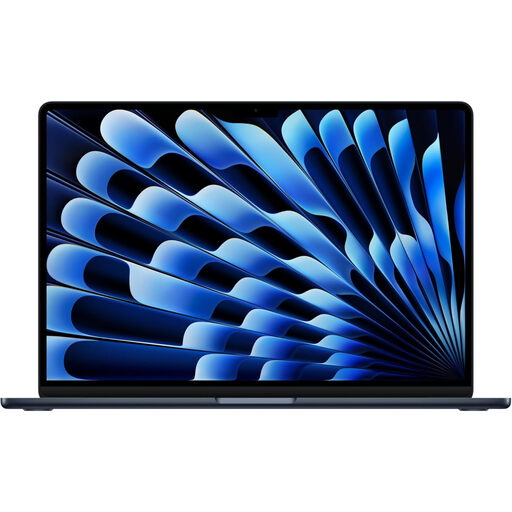 No image available
Consider the 24GB configuration if your essential database images and tools support Apple silicon and you want more configured memory than the 16GB variant below. It has a listed 1TB SSD. Apple specifies USB-C Power Delivery charging with a 30W minimum input for the 13-inch M5 model; confirm whether a suitable adapter is included with this configuration.
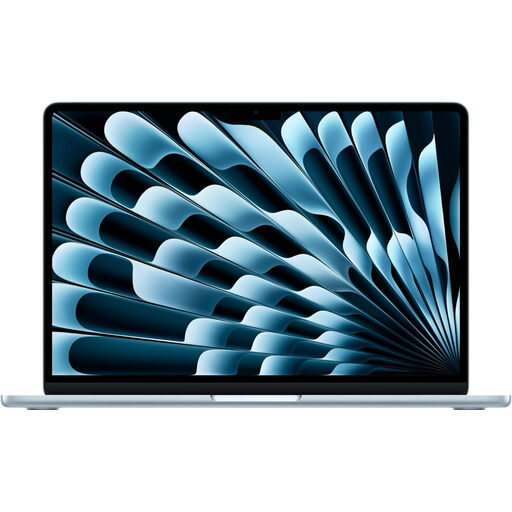 No image available
The 16GB configuration may suit a modest local database project once its ARM64 dependencies are confirmed; assess memory carefully if several containers and applications must run together. It has a listed 1TB SSD. Apple specifies USB-C Power Delivery charging with a 30W minimum input for the 13-inch M5 model; check adapter inclusion for this configuration.
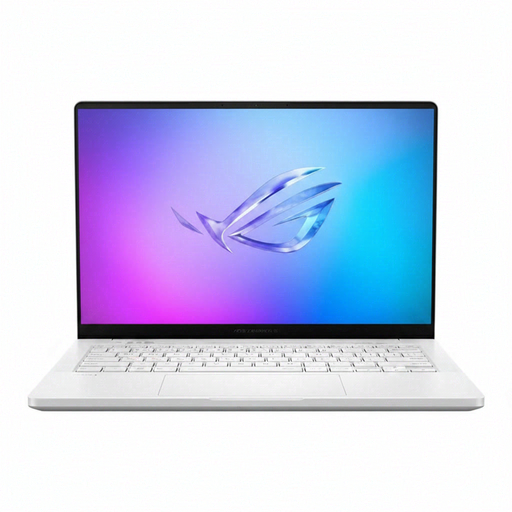 No image available
Consider this configuration if 32GB of memory and a 2TB SSD match your concurrent services and local data needs. The title also specifies a Ryzen AI 9 HX 370, GeForce RTX 5070 Ti and Windows 11 Home. Check battery and USB-C charging details, WSL 2 readiness and the keyboard layout for the exact configuration before choosing it for mobile work.
It can suit a modest single-database project, but do not assume it will suit several containers running beside an IDE and browser tools. Compare the exact configuration with what you normally keep open; consider 32GB if that combined workload needs more headroom.
Yes, if the exact laptop supports USB-C Power Delivery charging and the charger meets its requirements. Apple specifies USB-C Power Delivery and a 30W minimum input for the cited 13-inch MacBook Air M5; check the equivalent requirements for any other model rather than relying on the connector shape alone.
Choose according to the images and tools your project requires. Docker supports Apple-silicon Macs, but notes that some optional Darwin/AMD64 tools may need Rosetta 2; if Windows-specific tools or x86_64 workflows are decisive, assess a Windows x86 laptop and confirm its Docker and WSL 2 requirements.
Match the charger to the laptop’s specified charging method and power requirements, and choose a reputable source. In September 2026, the UK Office for Product Safety and Standards reported fire and electric-shock risks from plug-pin defects in one specific 45W replacement laptop charger; that report is a reason to check the charger you choose, not a judgement about every replacement charger.