Check your course’s database, operating-system and processor requirements before choosing a laptop: Microsoft specifies an x64 processor for SQL Server 2022 on Windows. For ordinary local database coursework, 16 GB of RAM and a 512 GB SSD are practical starting targets, not official minimums. Consider 32 GB of RAM if you expect to run several containers, virtual machines or large datasets, and check whether the configuration can be upgraded.
Who needs which setup?
Students using containers and development tools
If your database runs beside an editor, browser and Docker or Windows Subsystem for Linux (WSL), pay particular attention to memory and SSD space. PostgreSQL’s documentation describes its use of shared memory buffers and operating-system cache; Docker documents memory use by its WSL 2 backend.
Students on SQL Server or Windows-specific modules
Make the course platform your starting point. Microsoft specifies x64 processors for SQL Server 2022 on Windows, while Docker lists separate Windows and WSL requirements for Docker Desktop. Confirm the required versions and tools with your course.
Students balancing desk space and travel
A laptop used in a student room may also need to go to lectures. Lenovo UK describes the 14-inch ThinkPad E14 Gen 6 line as having upgradeable memory and storage; an HP UK ProBook 440 G11 configuration has 16 GB of RAM and a 512 GB SSD. Check the dimensions and upgrade options of the exact configuration you intend to buy.
What should you check before buying?
Confirm the database engine and teaching tools your course requires, then decide how much memory, local storage and portability your work calls for.
| Concern |
What to check |
Who this matters to |
| Memory headroom |
Compare installed RAM and the exact model’s upgrade options. Treat 16 GB as a starting target; consider 32 GB for several containers or virtual machines. |
If I run a database alongside containers and development tools, I need room for those tasks to share memory. Around 36% of consumers would put memory headroom first. |
| Course compatibility |
Confirm the required database version, operating system, processor architecture and client tools. Microsoft specifies x64 for SQL Server 2022 on Windows. |
A required course tool has to run on the laptop I choose, even if another system suits my everyday work. Course compatibility comes first for around 29% of consumers. |
| SSD capacity |
Consider a 512 GB SSD as a starting target and check the exact model’s storage upgrade options if projects will grow. |
I expect to keep database files, backups and container images locally, so I need space as coursework accumulates. Around 21% of consumers would prioritise storage growth. |
| Desk fit and portability |
Compare dimensions, weight, charger and ports for the configuration you intend to buy. |
My laptop needs to fit my room and travel to study spaces without becoming awkward to carry. That would be the leading concern for around 14% of consumers. |
Buying pitfalls
-
Choosing by processor name alone
A local database may run alongside browsers, development tools and containers. PostgreSQL uses memory for shared buffers and operating-system cache, and Docker documents host-memory use with WSL 2; the processor name does not tell you the laptop’s RAM or storage capacity.
Check installed RAM, SSD capacity and the exact model’s memory and storage upgrade instructions before comparing processor options.
If the installed memory becomes insufficient and cannot be upgraded, you may need a different machine for a heavier workload.
-
Assuming every processor architecture runs the course stack
PostgreSQL lists ARM and x86 among supported architectures, but Microsoft specifies x64 for SQL Server 2022 on Windows. Compatibility depends on the software your module actually uses.
Ask for the required database version, operating system, architecture and client-tool list before committing to a laptop.
An incompatible choice could leave you relying on another course-approved computer or remote environment.
-
Overlooking local storage used by containers
Docker’s WSL 2 engine stores data locally. Database files, images, volumes and backups can therefore occupy space beyond the course-project folder you normally see.
Check available SSD capacity and whether the exact laptop permits a storage upgrade; review free space as projects accumulate.
Managing a full drive may mean clearing old environments or using external storage.
-
Treating a laptop family’s features as your configuration’s features
Lenovo’s upgradeability description applies to its ThinkPad E14 Gen 6 line, while HP’s 16 GB and 512 GB figures describe a particular ProBook 440 G11 configuration. Neither establishes the specification of every retailer listing.
Check the complete specification and service information for the exact model, including installed memory, SSD, operating system and included charger.
Relevant brands to consider
Lenovo
The 14-inch ThinkPad E14 Gen 6 line is worth examining if you want a smaller business-laptop format with a possible upgrade route.
- Lenovo UK describes the line as having upgradeable memory and storage.
- Check the installed capacity, RAM layout and SSD options for the exact configuration; a line-level description does not establish every model’s upgrade path.
HP
A ProBook 440 G11 configuration provides a reference point for a 14-inch laptop with the practical starting memory and storage targets discussed here.
- HP UK lists one ProBook 440 G11 configuration with 16 GB of RAM and a 512 GB SSD.
- Check the specification and upgrade instructions of the particular ProBook configuration you are considering.
Dell
The 16-inch Pro Precision 5 16S is a route to examine when coursework calls for a professional configuration rather than an ordinary local-database setup.
- Dell UK lists Ubuntu Linux 24.04 LTS as a configuration option for the Pro Precision 5 16S.
- Confirm that the selected configuration meets your course requirements and that its size suits your desk and travel needs.
Joybuy laptops for local database coursework
These laptops offer different memory, storage and screen-size configurations for local database coursework. Check each one against your course’s software and processor requirements before choosing.
 No image available
Lenovo LOQ Essential 15ARP11, Ryzen 7 170, 16 GB RAM, 1 TB SSD
Consider this configuration if you want more internal storage than the 512 GB starting target for local projects.
The product name specifies a 15.6-inch FHD 144 Hz display and GeForce RTX 5050 graphics. Check whether the 16 GB memory configuration and the laptop’s size suit your workload and travel needs.
View on Joybuy
 No image available
ASUS Vivobook 14 X1407QA-LY003W, Snapdragon X, 16 GB RAM, 512 GB SSD, Quiet Blue
The 14-inch format may appeal if desk space and carrying the laptop matter alongside ordinary coursework.
Before buying, confirm that your required database engine, client tools and container images work with this Snapdragon X configuration. Also check its memory upgrade options if you expect to need more than 16 GB later.
View on Joybuy
 No image available
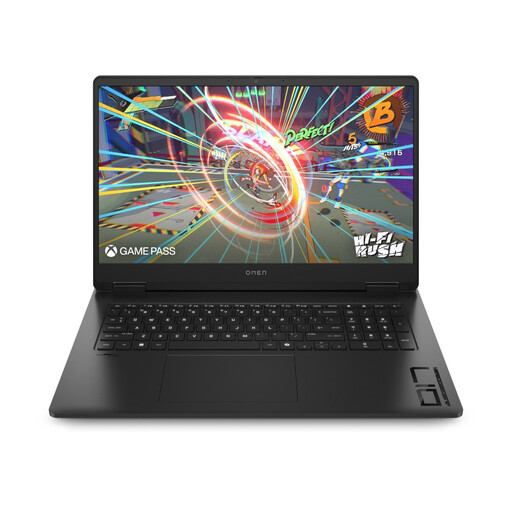
HP OMEN 17-db1000na, Ryzen AI 7 350, 16 GB RAM, 1 TB SSD
Consider its 1 TB SSD if you expect to keep database projects and other coursework files locally.
The product name lists a 17-inch Full HD display, RTX 5060 graphics and Windows 11 Home. Check that a laptop of this screen size fits your desk and carrying routine, and confirm its upgrade options if your workload may grow.
View on Joybuy
 No image available
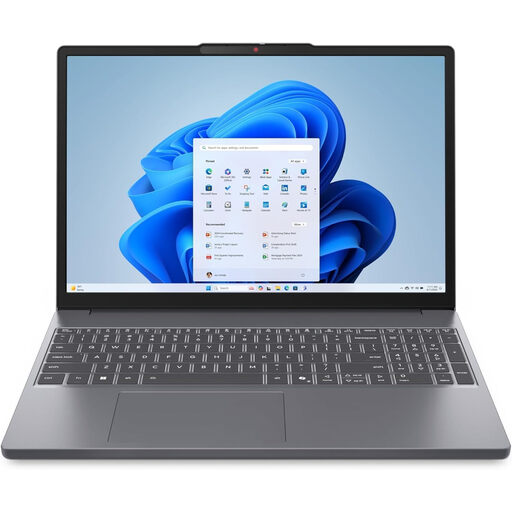
Lenovo IdeaPad Slim 3 83K7009MUK, Ryzen 5 7535HS, 24 GB DDR5 RAM, 512 GB SSD
The listed 24 GB of RAM is worth considering if you expect more concurrent coursework tools than a 16 GB starting configuration allows for.
The product name specifies a 15.3-inch WUXGA display and Windows 11 Home. Check usable SSD space, future upgrade options and your course’s software requirements before choosing.
View on Joybuy
 No image available
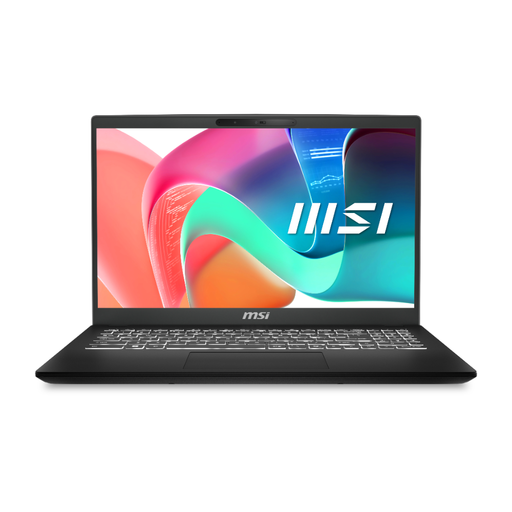
MSI Modern C2RMG-282UK, 9S7-15H431-282, Core 5, 16 GB DDR IV RAM, 512 GB SSD
This configuration reaches the practical memory and storage starting targets for local database work alongside ordinary study applications.
The product name specifies a 15-inch FHD display. If your course uses Docker on Windows or SQL Server, confirm the installed operating system, processor architecture and required software compatibility before buying.
View on Joybuy
Common questions
Is 16 GB or 32 GB of RAM more suitable for local databases?
For ordinary local database coursework alongside an editor and browser, 16 GB is a practical starting target, not an official minimum. Consider 32 GB if you regularly expect several containers, virtual machines or large datasets; check whether the exact laptop can be upgraded if you plan to start with less.
Can I use a Mac or an ARM laptop for database coursework?
Yes, if the database and all required teaching tools support the chosen system and architecture. PostgreSQL lists ARM and x86 among platforms it can be expected to work on, and Docker provides Desktop installers for Apple-silicon and Intel Macs. A module requiring SQL Server 2022 on Windows needs particular care: Microsoft specifies x64 processors for that setup.
What should I check before relying on Docker on Windows?
Confirm that the laptop’s Windows version and WSL setup meet Docker Desktop’s current requirements. Docker documents WSL 2 as the backend for most Windows users and stores its WSL-based engine data locally by default, so allow SSD space for images and database files as well.
What should I check about returns and support when buying a laptop online in the UK?
Check the seller’s change-of-mind return terms separately from the process for reporting a faulty laptop, and keep the order details for the exact configuration. GOV.UK guidance says a seller may have to repair or replace goods when a fault is discovered after acceptance; the appropriate remedy depends on the circumstances, rather than on a voluntary return policy alone.


