Plug-in-heavy demo finishers
If your sessions contain several processing plug-ins, tracks or virtual instruments, you need to assess working headroom rather than buy solely to a DAW’s minimum requirements.


Choose a laptop around the size of your demo projects and the audio tools you already use. Ableton recommends 16GB or more memory for demanding Live work, but a faster processor or larger specification cannot compensate for an incompatible plug-in or interface driver. Decide whether macOS or Windows preserves your workflow, then check the connections you need at the shared desk.
If your sessions contain several processing plug-ins, tracks or virtual instruments, you need to assess working headroom rather than buy solely to a DAW’s minimum requirements.
Your laptop needs to fit alongside an audio interface, headphones, storage and charging connections without making the desk awkward to use for other work.
You already rely on a particular DAW, plug-ins or audio interface. Preserving support for their versions and drivers matters as much as the laptop’s processor and memory.
Start with the operating system your audio tools support, then size the processor, memory and storage for your projects. Check every device you expect to connect at the desk before settling on a laptop format.
Consider it when: Your DAW, plug-ins and interface support the macOS version you plan to use, and you want a compact desk setup.
Trade-off: Confirm compatibility before a platform change or macOS upgrade, and plan for simultaneous wired connections. Apple lists two Thunderbolt 4/USB-C data ports on its current MacBook Air specifications.
Consider it when: You need to retain Windows-only software or an established Windows audio-interface workflow.
Trade-off: Memory, storage and connections vary by configuration. A USB-C socket alone does not establish support for your interface or its driver.
| Concern | What to check | Who this matters to |
|---|---|---|
| Processing headroom | Compare your DAW’s recommended CPU and memory guidance with the size of your sessions. Ableton recommends 16GB or more memory for demanding Live work. | If I use several tracks and processing plug-ins, I want enough capacity to finish the session without choosing solely by minimum requirements. Around 36% of consumers put processing headroom first. |
| Desk connections | Count devices used at once and check each port and supplied cable against your interface, storage and charging setup. | When my interface and external storage share a limited desk, I need a connection arrangement that works without repeatedly unplugging equipment. For around 29% of consumers, connectivity is the primary concern. |
| Shared-desk fit | Assess laptop footprint, charger arrangement and cable space. Check model-specific operating noise if it matters to you. | I need to clear or share the workspace easily, so the laptop and its connected equipment cannot dominate it. Compact desk fit comes first for around 21% of consumers. |
| Software continuity | Confirm support for your exact DAW version, plug-ins, operating system and interface driver with their publishers. | If my existing project depends on particular plug-ins and an interface driver, I need that setup to keep working after the switch. Around 14% of consumers prioritise compatibility continuity. |
Ableton lists 8GB RAM in its Live minimum requirements but recommends 16GB or more in its computer-specification guidance for more demanding work. A minimum requirement is not a target for every plug-in-heavy session.
Compare configurations with at least 16GB against your actual projects and check whether the chosen laptop’s memory can be changed later.
An interface, external SSD and other wired devices may need connections at the same time. Focusrite says its Scarlett Solo and 2i2 4th Gen include a USB-C-to-USB-A cable, which does not directly connect to a USB-C-only laptop.
List your simultaneous connections and confirm the supplied cables. If you plan to use a dock, check that its power and data connections meet your devices’ requirements.
A new operating-system version can interrupt a working project if the DAW, plug-ins or hardware drivers do not yet support it. Ableton advises checking these components before a major macOS upgrade.
Confirm support for every essential component and back up the project before changing the operating system.
Ableton’s demanding-work guidance focuses on the processor and memory; it identifies a dedicated GPU as optional for video work. A creator or gaming specification does not, by itself, demonstrate an audio-mastering advantage.
Consider a dedicated GPU if you also have a video workflow or another confirmed requirement for it, rather than treating it as a substitute for audio compatibility checks.
MacBook Air is a compact macOS option for a shared desk when your DAW, plug-ins and interface support the intended Apple-silicon setup.
The ThinkPad P-series offers a Windows workstation route to consider when you want to retain a Windows audio workflow and select a configuration for larger sessions.
ProArt P16 is a creator-laptop line to consider when mastering a demo is part of a broader media workflow that also includes video.
These Apple-silicon and Windows laptops offer different combinations of memory, storage and screen size for the shared-desk decision. Choose between them only after checking your DAW, plug-ins, interface and connection needs.
 No image available
Consider this Windows laptop if you want a 14.5-inch format for a shared desk and your audio tools support Windows 11 Home.
The listed configuration has 16GB RAM and a 1TB SSD. Check support for your exact DAW, plug-ins and interface driver, and assess operating noise if it matters at your desk.
 No image available
This Windows 11 Home configuration is worth considering if your sessions call for 64GB RAM and a 2TB SSD, or if your work also includes demanding visual projects.
Its 16-inch format needs space at the shared desk. The listed graphics and display do not establish an audio-mastering benefit; confirm software compatibility and any operating-noise requirements separately.
 No image available
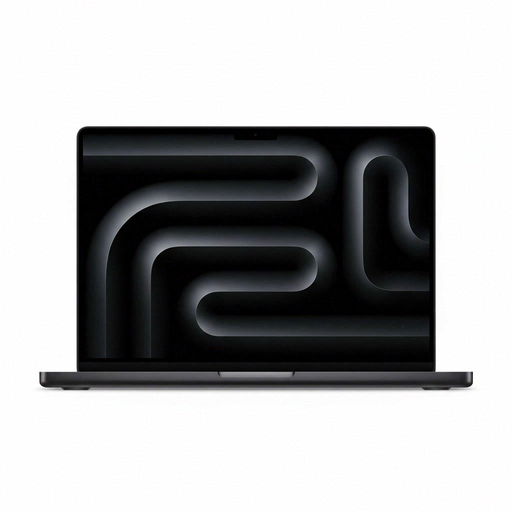
Consider this macOS laptop for a shared desk if your existing audio tools support the intended setup and you want the listed 24GB unified memory and 2TB SSD.
Check the exact DAW, plug-ins and interface driver before buying or changing macOS. Confirm which power adapter is included and assess operating noise if that affects your workspace.
 No image available
This Windows laptop is an option if its 16GB RAM and 1TB SSD suit your demo sessions and a 15.6-inch machine fits the shared desk.
Confirm your DAW and interface-driver requirements before buying. If future projects may need more memory, check this configuration’s upgrade options rather than assuming its gaming graphics will help audio work.
 No image available
Consider this MacBook Air if your mastering tools support macOS and you want a 15-inch laptop with the listed 16GB memory and 1TB SSD.
Check the exact ports against the interface, storage and other devices you will connect simultaneously. Confirm DAW, plug-in and driver support before buying or changing macOS.
For demanding Ableton Live projects, Ableton’s computer-specification guidance recommends a 6- to 12-core Intel Core i7/i9, AMD Ryzen 7/9 or Apple-silicon M-series processor and at least 16GB RAM. Use your own DAW’s guidance and the size of your sessions to decide what you need; these specifications do not guarantee that every plug-in or interface will work.
That depends on how you record and monitor your demo. For Ableton Live, Ableton recommends ASIO-compatible audio hardware on Windows and a Core Audio-compliant interface on macOS. If you use an interface, check its exact driver and operating-system support before choosing a laptop.
Not necessarily. Focusrite says Scarlett Solo and 2i2 4th Gen interfaces include a USB-C-to-USB-A cable, so a USB-C-only laptop needs a suitable USB-C-to-USB-C cable for that connection. Check the cable supplied with your exact interface; Focusrite also advises against USB cables longer than 2m for these models.
Check your production tools before making a major macOS upgrade. Ableton advises confirming support for your Live version, plug-ins, other applications and hardware drivers; keeping a working setup unchanged until those checks are complete can protect an unfinished demo.
For a UK online order, GOV.UK states that customers can cancel within 14 days of receiving an item and then have another 14 days to return it. This describes change-of-mind cancellation, not the separate remedies that may apply if goods are faulty, damaged or misdescribed. Check the seller’s return instructions before sending the laptop back.