Bright-window demo masters
You edit and master near a sunlit window, where stated screen brightness and reflection treatment matter alongside resolution.


For regular mastering beside a bright window, compare the exact screen’s stated brightness and reflection treatment before choosing a laptop by processor alone. Size its memory and storage for your usual tracks and plug-ins, and check that your DAW, audio interface and drivers support the intended operating system; a brighter display cannot make an incompatible audio setup work.
You edit and master near a sunlit window, where stated screen brightness and reflection treatment matter alongside resolution.
You work with multiple tracks, instruments or mastering plug-ins and need to choose capacity for your projects, not just the minimum needed to install a DAW.
You have, or plan to use, an audio interface and need your laptop, operating system, drivers, DAW and plug-ins to work together.
Start with the window position and the audio equipment you need to keep using, then compare laptop configurations against the size of your typical sessions.
Consider when: Regular bright-window work makes display brightness a priority; Apple states up to 1,000 nits of SDR brightness outdoors for the current MacBook Pro display.
Allow for: Confirm that your interface, drivers and plug-ins support the exact macOS and Apple-silicon setup before changing platforms.
Consider when: You need Windows and the cited Lenovo UK configuration’s 500-nit anti-glare screen, 32GB memory and 1TB SSD suit your work.
Allow for: The cited memory is soldered, and other X1 Carbon configurations can have different screens and capacities.
Consider when: You want a lighter macOS laptop and can position its Apple-specified 500-nit display away from troublesome reflections.
Allow for: Its two Thunderbolt 4/USB-C ports may affect how you connect an interface and other devices at the same time.
| Concern | What to check | Who this matters to |
|---|---|---|
| Screen legibility | Compare stated SDR brightness and screen finish for the exact display option; assess reflections at your working position. | I need to read meters and plug-in controls beside the window without repeatedly moving the laptop. Around 29% of consumers put screen legibility first. |
| Project performance | Check CPU, memory and SSD capacity against your DAW and largest typical session. Ableton recommends 16GB or more RAM for larger projects. | With many tracks or plug-ins open, I want capacity beyond an installation minimum. Project performance comes first for around 36% of consumers. |
| Audio compatibility | Confirm support for your exact DAW, plug-ins, interface model, drivers and intended OS version. | If I rely on an existing interface, keeping that audio chain working matters more than changing laptops for a screen specification. Around 21% of consumers prioritise compatibility. |
| Storage and connections | Check SSD capacity and the ports required to connect your interface, drives and any external display together. | I move between workspaces and need my projects and connected devices to fit a portable setup. For around 14% of consumers, storage and connections are the primary concern. |
Pixel count does not tell you how a display handles bright ambient light or reflections. Apple specifies up to 1,000 nits of SDR brightness outdoors for the current MacBook Pro, while the cited MacBook Air and Lenovo ThinkPad displays are rated at 500 nits; those figures alone do not guarantee a comfortable view at your window.
Check the brightness mode and finish of the exact screen you are buying, then assess it at your usual desk position.
Ableton lists 8GB RAM for Live 12 but recommends 16GB or more, a stronger multi-core CPU and fast SSD storage for larger projects. The installation requirement is not a specification for every plug-in-heavy session.
Use your largest typical session, including tracks, instruments, plug-ins and sound libraries, to judge the configuration.
The connector does not establish whether an interface and its drivers support your processor and operating system. Ableton distinguishes ASIO-compatible hardware on Windows from Core Audio-compliant hardware on macOS.
Check support for your exact interface model and OS version with its manufacturer, along with your DAW and plug-ins, before ordering or making a major OS update.
An incompatible setup can also mean time spent troubleshooting or a need for different connection equipment.
Screen, memory and storage specifications can differ within a family. The cited Lenovo ThinkPad X1 Carbon configuration has soldered memory, so the capacity selected matters.
Match the final listing’s model or part number to its stated display, memory, storage and ports before buying.
MacBook Pro and MacBook Air offer different macOS display and portability options for this decision.
The cited ThinkPad X1 Carbon configuration is a Windows option for buyers considering an anti-glare display and substantial built-in memory.
XPS 13 specifications provide another compact Windows configuration to compare.
These MacBook Pro and Lenovo LOQ Essential configurations offer different starting points for a bright-window mastering setup. Match each one to your screen position, project size and existing audio equipment rather than treating the product list as a ranking of display performance.
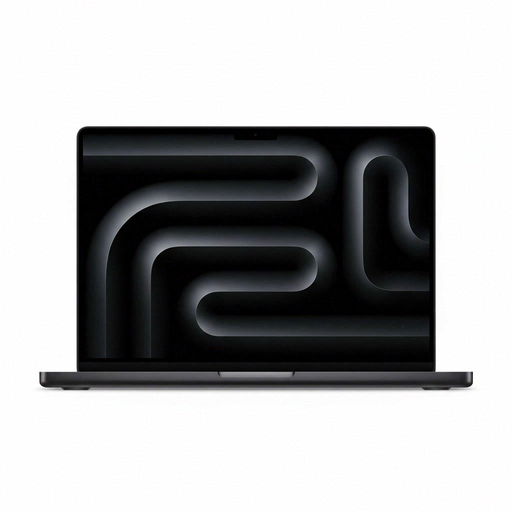 Image unavailable
Consider this macOS configuration if regular window-side work and larger mastering sessions are both priorities; Apple’s current MacBook Pro specification states up to 1,000 nits of SDR brightness outdoors, not a guarantee against reflections.
This variant’s name specifies a 15-core CPU, 16-core GPU, 24GB memory and 2TB storage. Check the screen finish and support for your exact DAW, interface, drivers and macOS version.
 Image unavailable
This is another MacBook Pro configuration to consider for window-side mastering when its stated processor variant and capacity match your projects; Apple’s outdoor SDR brightness figure does not establish how your particular window will reflect in the screen.
The product name distinguishes an 18-core CPU and 20-core GPU alongside 24GB memory and 2TB storage. Confirm screen finish and compatibility with your audio software and hardware.
 Image unavailable
Consider this larger-screen MacBook Pro if your sessions call for its memory capacity and you have room for a 16.2-inch laptop at the window-side desk.
Its name specifies an 18-core CPU, 40-core GPU, 48GB memory and 2TB storage. Apple’s current MacBook Pro outdoor SDR specification is a comparison point, but check this configuration’s screen finish and your complete audio setup before choosing it.
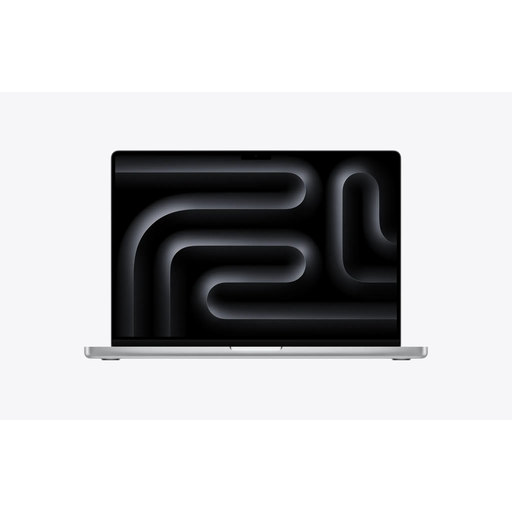 Image unavailable
This 16.2-inch variant is worth considering if its stated memory and storage suit your mastering sessions and the larger laptop fits your working position.
The name specifies an 18-core CPU, 32-core GPU, 36GB memory and 2TB storage. A stated HDR brightness figure is not the same as SDR brightness beside your window; check reflections and compatibility with your DAW and interface separately.
 Image unavailable
Consider this Lenovo configuration for a Windows mastering workflow if its display remains readable at your actual window position.
Its name specifies an AMD Ryzen 7 170, 16GB RAM, 1TB SSD, GeForce RTX 5050 and a 15.6-inch 144Hz FHD display. Confirm the exact screen specification and support for your DAW, interface and Windows drivers.
It may be enough to run Live 12, but it is not the capacity Ableton recommends for larger projects. Ableton lists 8GB RAM in its minimum requirements; its guidance for sessions with more tracks and plug-ins recommends a 6- to 12-core CPU, 16GB or more RAM and a 500GB–2TB high-speed SSD. Compare those recommendations with your actual project and other software requirements.
Yes: check support for the exact interface, processor and operating-system version you intend to use. Ableton recommends ASIO-compatible audio hardware on Windows and Core Audio-compliant hardware on macOS, while Focusrite advises checking the rest of your music hardware and software before a macOS update.
For an online purchase from a trader in the UK, GOV.UK says customers normally have 14 days after receiving an item to tell the seller they want to cancel, followed by another 14 days to return it. Check how the retailer handles a change-of-mind return and inspect the screen carefully; remedies for faulty or misdescribed goods are a separate matter.
Look for a suitable reuse or electrical-equipment collection route rather than treating an old laptop as general waste. GOV.UK explains that UK Waste Electrical and Electronic Equipment rules support recovery, reuse and recycling; available collection options depend on the local authority or retailer.