Choose the operating system for your testing workflow before comparing battery figures: native Xcode builds and Apple-platform simulators call for a compatible Mac, while an Android-first laptop needs enough memory and storage for Android Studio and the virtual devices you plan to use. Where sockets are scarce, check the exact laptop’s charging input, charger and wired-device connections; neither a battery claim nor a dock’s advertised output establishes how your complete test setup will work.
Who needs which setup?
Native iOS and iPadOS testers
If your work includes Xcode builds, Apple-platform simulators and testing on Apple devices, start with the macOS and Xcode versions your project requires. Apple Developer distinguishes simulator testing from testing on physical devices.
Android emulator-heavy developers
If Android Studio and several Android Virtual Devices are part of your local workflow, assess memory and SSD space for the devices you will keep and run, not just for the development environment itself. Android Developers notes that additional virtual devices require additional storage.
Shared-socket mobile testers
If one desk outlet must serve a laptop and connected test devices, plan the charging and data connections together. Check the chosen laptop’s charging requirements, what comes in the box and whether any proposed dock can provide the required power and connections.
What matters when choosing?
Settle the target platform first, then size the laptop for your local test workload and check how it will charge and connect to real devices at the available desk.
| Concern | What to check | Who this matters to |
|---|
| Apple-platform compatibility |
Match the required Xcode release to a supported macOS version; allow room for the simulators and projects you will keep locally. |
If I must build an iOS or iPadOS app locally, a laptop that cannot run my required Xcode workflow will not do the job. Around 36% of consumers put native Apple-platform compatibility first. |
| Android virtual-device capacity |
Check Android Studio requirements for the chosen operating system, plus memory for concurrent virtual devices and SSD space for those retained. |
Running several Android test configurations locally makes resource headroom my main concern. Around 29% of consumers prioritise Android Studio and virtual-device capacity. |
| Charging with few sockets |
Confirm the exact model’s charging method and required input, then check the supplied charger or proposed USB Power Delivery source. |
When outlets are occupied, I need a charging arrangement that works with the laptop I choose. Roughly 21% of consumers place limited-socket charging first. |
| Physical-device connections |
Count the wired devices you need at once and verify data-capable connections; check dock compatibility separately from its power rating. |
Testing hardware-dependent behaviour means I need a workable connection to real devices, not only a simulator. For around 14% of consumers, physical-device connectivity is the primary need. |
Purchasing mistakes to avoid
-
Choosing Windows before deciding whether Xcode is required
A Windows laptop may fit Android work, but Apple Developer publishes the native Xcode workflow and its system requirements for macOS.
If you must make native Apple-platform builds locally, confirm the required Xcode and macOS combination before comparing other laptop specifications.
-
Sizing the laptop for Android Studio alone
Virtual devices take space beyond the development environment, and running them alongside a project increases the workload. Android Developers says an additional Android Virtual Device may require up to 6GB of storage.
List the virtual devices you intend to retain and run together, then compare that workload with current Android Studio requirements and the laptop configuration.
-
Reading battery-life figures as development runtime
A manufacturer’s battery figure reflects its stated test conditions, not necessarily a session combining builds, emulation and attached devices.
Alongside battery specifications, check the exact model’s charging method, required input and supplied adapter for the places where you will work.
-
Assuming a USB-C dock solves charging automatically
A dock’s power-output figure does not establish that the laptop accepts that input or that the connection carries the data your test devices need. Dell UK also lists some Dell Pro 14 Plus configurations without a charger.
Check the selected configuration’s box contents, laptop charging requirements, dock host output and device connections together.
A separate compatible power adapter or powered dock may be needed for the chosen arrangement.
Brands to consider for these workflows
Apple
MacBook models are relevant when the work requires the macOS-based Xcode workflow for native Apple-platform development and testing.
- Apple UK lists USB-C and USB Power Delivery charging for MacBook Air, with a 30W minimum charging requirement for the listed model.
- Check the exact Mac and Xcode versions before purchase. Apple Developer cautions that simulators do not reproduce every feature or performance characteristic of a physical device.
Lenovo
ThinkPad configurations are worth comparing if your main workflow is Android development on Windows.
- Compare the exact configuration’s memory, SSD and keyboard with the work you plan to do locally.
- Check charging and physical-device connections on the model you intend to buy rather than assuming they are shared across the ThinkPad range.
Dell
Dell commercial laptops and docks are relevant to a Windows-based Android workflow at a desk with limited outlets.
- Dell UK lists up to 96W power delivery to non-Dell systems for its Pro Thunderbolt 4 Smart Dock SD25TB4; check whether that output suits the selected laptop.
- Dell UK lists some Dell Pro 14 Plus configurations without a charger. Confirm the contents and charging requirements of the configuration being considered.
Joybuy choices for Android-first testing
This Windows-route selection focuses on a laptop configuration to consider for Android-first work. Before buying for a shared-socket desk, confirm its operating-system fit, charging requirements and connections for physical test devices.
 No image available
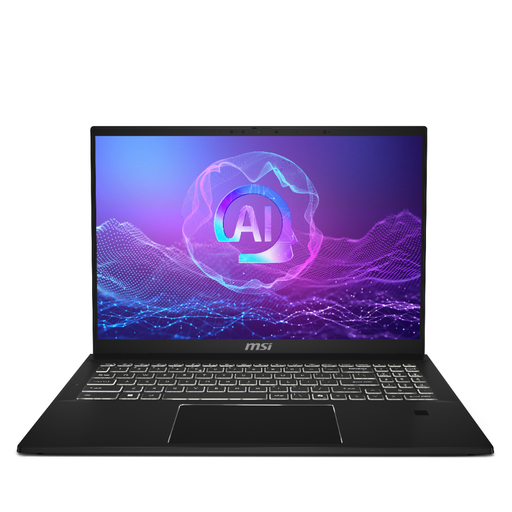
MSI Summit 16 AI Evo, Core Ultra 7 255H, 32GB/1TB
For Android-first testing, compare this configuration with the requirements of your projects and the virtual devices you plan to run; check its charging and wired-device connections separately.
Listed configuration: 16-inch QHD+ 165Hz display, Intel Core Ultra 7 255H, Intel Arc graphics, 32GB LPDDR5 memory and 1TB SSD.
View on Joybuy
Common questions
Do I need a Mac to test an iPhone app?
Choose a compatible Mac if your work requires native Xcode builds and Apple-platform simulator testing locally. Apple Developer publishes the supported macOS versions for Xcode; check the release your project needs. An Android-only workflow does not create that Xcode requirement.
How much room should I allow for Android virtual devices?
Size memory and storage for your intended devices as well as Android Studio and the project. Android Developers says each additional Android Virtual Device may need up to 6GB of storage; check current requirements and how many devices you expect to run at once before choosing a configuration.
Can a dock charge the laptop and connect test devices?
It can if the particular laptop, dock and cables support the required host charging and device-data connections. Dell UK lists 96W delivery to non-Dell systems for one Pro Thunderbolt 4 Smart Dock, but that output alone does not establish compatibility with your laptop.
Can simulators replace testing on physical phones?
Keep a physical-device test stage when the app depends on hardware-specific behaviour or actual device performance. Apple Developer states that its simulators do not reproduce every feature or performance characteristic of a physical device.


