Window-side audio editors
If you align takes near a bright window, examine the screen’s stated brightness and reflection treatment as well as its size. A display specification cannot tell you exactly how your own window will reflect on the panel.


Choose an operating system that supports your exact DAW, audio interface and essential plug-ins before comparing laptops. For multitrack sessions, give processor, memory and storage enough headroom for your projects; Ableton recommends at least 16GB of memory for more demanding Live work. Beside a bright window, check both everyday screen brightness and reflection treatment, since neither specification alone guarantees a comfortable view.
If you align takes near a bright window, examine the screen’s stated brightness and reflection treatment as well as its size. A display specification cannot tell you exactly how your own window will reflect on the panel.
If your sessions contain many tracks, instruments or effects, look beyond the requirements for merely launching a DAW. Ableton recommends at least 16GB of memory and notes that larger, plug-in-heavy Live projects benefit from more processing capacity.
If you regularly connect an audio interface, keep its exact model, driver, operating system, DAW and plug-in versions in the decision. Ableton and Focusrite publish compatibility guidance that should be checked for the equipment you use.
For window-side multitrack work, settle software and interface compatibility first, then assess session headroom and the display under the lighting in which you edit.
| Concern | What to check | Who this matters to |
|---|---|---|
| Screen legibility | Check stated everyday brightness and anti-glare or anti-reflection treatment on the exact configuration. Ableton recommends a resolution of at least 1920 × 1080 for Live. | When reflections obscure waveform edges and timing markers beside a window, a usable view becomes my deciding factor. Roughly 42% of consumers put screen legibility first. |
| Multitrack headroom | Compare the processor, installed memory and SSD with your actual DAW workload. Ableton recommends at least 16GB of memory and fast SSD storage for more demanding Live work. | If my sessions build up tracks, instruments and effects, I need capacity beyond a DAW’s installation minimum. For around 42% of consumers, project headroom is the primary concern. |
| Audio compatibility | Confirm the precise OS, DAW, plug-in and interface-driver versions together; check that the laptop has suitable connections. Ableton’s interface guidance differs between Windows and macOS. | Keeping my existing interface and essential plug-ins working matters more than changing platforms for a new processor. Compatibility comes first for roughly 16% of consumers. |
Minimum requirements establish whether software can run, not how a large session with many plug-ins will behave at low latency. Ableton distinguishes its Live minimum from its guidance for more demanding projects.
Compare your actual projects and plug-ins with the DAW’s performance guidance. For demanding Live sessions, Ableton recommends at least 16GB of memory alongside a capable processor and fast SSD.
A brightness figure does not describe how much of the window may appear on the screen. HDR figures also need to be read in the stated viewing conditions rather than treated as everyday brightness.
Check the exact configuration for everyday brightness and explicit anti-glare or anti-reflection wording. If possible, assess a comparable screen in lighting like your workspace.
Processor and memory specifications cannot establish whether a particular interface driver, DAW version and set of plug-ins work together on a new operating system.
Write down the interface model, connection, driver, OS, DAW version and essential plug-ins, then check each supplier’s compatibility guidance before changing platforms.
GOV.UK advises against disposing of electrical products in household rubbish and warns that damaged or wet lithium-ion batteries can pose a fire risk.
Use an appropriate electrical-waste collection route. If you are replacing a laptop in the UK, check the retailer’s process for accepting an old like-for-like electrical item.
MacBook Pro is a macOS option when your DAW, plug-ins and interface are compatible with the chosen system and you want to assess a specified professional display for window-side work.
The ThinkPad X1 Carbon Gen 13 Aura Edition offers a Windows route for buyers comparing portable configurations with an explicitly described anti-reflection display.
The Zenbook 14 OLED UX3405 line is a compact Windows option to examine when connections for an audio interface and other desk equipment matter.
These MacBook Pro, MSI Stealth and ASUS ZenBook models offer different screen sizes and memory configurations for multitrack editing. Check each candidate’s display in relation to your window lighting and confirm your audio setup’s compatibility before choosing.
 No image available
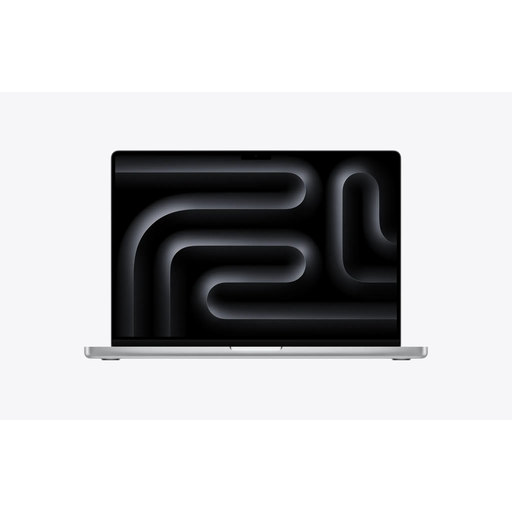
Consider this larger-screen model if your macOS audio setup is compatible and you want 36GB of memory and 2TB of storage for your projects. Check everyday display brightness and reflection treatment for your window lighting, as well as whether your interface and plug-ins support the intended OS version. Confirm the power adapter needed for this configuration before ordering.
 No image available
The 14.2-inch size is worth considering if you carry your editing laptop between workspaces while keeping 24GB of memory and 2TB of storage. Check reflection treatment and the display workspace you need for your DAW, then confirm support for your interface, driver and essential plug-ins.
 No image available
Consider the 18-inch format if a large on-laptop workspace matters more to you than carrying a compact machine; this variant lists 32GB of memory and a 2TB SSD. Check everyday screen brightness for your window position and confirm support for your DAW and audio interface before buying.
 No image available
If your compatible macOS workflow uses memory-intensive sessions, compare this 48GB configuration with the 36GB model according to your actual projects. Its 16.2-inch size also affects where you can set up; check everyday brightness, reflections, interface support and the required power adapter before ordering.
 No image available
This Windows 11 Home model is a compact option to assess if 16GB of memory and a 1TB SSD meet your DAW’s needs. OLED and touchscreen labels do not settle the bright-window question: check brightness, reflections and the connections required by your audio interface.
Start with your DAW’s requirements for the sessions you actually run, not just its installation minimum. For more demanding Live work, Ableton recommends at least 16GB of memory, a capable multi-core processor and 500GB–2TB of NVMe or other high-speed SSD storage; check other DAWs and plug-ins separately.
No: OLED describes the display technology, not how a particular panel handles window reflections. Check the exact laptop’s stated everyday brightness and anti-glare or anti-reflection treatment, and assess it in lighting like your workspace if you can. Neither specification guarantees comfortable use in direct sunlight.
Choose the platform that supports your exact interface, driver, DAW version and essential plug-ins. Ableton gives different audio-interface guidance for Windows and macOS, while Focusrite publishes platform-specific compatibility information; confirm the relevant versions before changing systems.
Use an appropriate electrical-waste collection route rather than household rubbish. GOV.UK advises separate disposal of electrical products and says retailers must accept an old like-for-like electrical item when you buy a new one; check how your retailer arranges collection or drop-off.