Choose the document workflow before paying attention to extra processing power. A Windows laptop is a cautious starting point if the museum requires Windows software; a MacBook Air suits a confirmed macOS workflow, while a browser-first laptop makes sense only if the museum accepts that way of working. Whichever route you take, check the actual template, review and printing process, then weigh screen and keyboard comfort, portability and offline preparation.
Who needs which workflow?
Museum staff using supplied Word documents
If your museum supplies files for review and printing, ask which applications, fonts and printer setup it requires. Start by checking a Windows laptop if the organisation uses Windows-only tools; do not assume that opening a file proves the full workflow will work.
Curators and researchers drafting on site
If you move between galleries, collections and a desk, consider carry weight, a readable screen and access to charging. Prepare any documents you will need before working without a connection.
Cloud-document collaborators
If colleagues exchange comments in browser-based documents, confirm the service and permissions the museum uses. Microsoft Support describes real-time co-authoring in supported Office web documents; Google Docs offline work requires advance setup.
What matters when choosing?
For museum-label writing, establish the required file and review process first. Then compare the practical demands of carrying the laptop, proofreading on its screen and working with or without a connection.
| Concern |
What to check |
Who this matters to |
| Workplace compatibility |
Confirm the required application and test a representative template, including fonts, review features and printing. |
If my museum supplies a production file, I need to know it will survive editing and review on my chosen system. Around 36% of consumers would put workplace compatibility first. |
| Portable drafting |
Compare the exact configuration’s weight and screen size, and read the conditions behind its battery claim. |
When I draft in several locations, I need a laptop I can carry and charge around my working day. Roughly 29% of consumers would make portability their primary concern. |
| Proofreading comfort |
Assess screen size, glare treatment and the keyboard layout on the configuration you would buy. |
I spend time checking short wording changes against notes, so the display and keyboard need to suit sustained review. About 21% of consumers would prioritise proofreading comfort. |
| Shared and offline work |
Confirm the team’s document service and prepare the files you need before going offline. |
If colleagues revise the same copy and I sometimes lose connectivity, I need both shared access and files ready for offline use. Around 14% of consumers would put that combination first. |
Mistakes to avoid
-
Assuming that opening a document proves compatibility
A file may open without preserving the museum’s required template, fonts, review steps or print output across applications.
Ask for a representative file and confirm its full editing-to-print workflow on the intended platform.
If required tools do not work on that platform, you may need access to another compatible device.
-
Choosing by processor name alone
Processor specifications do not tell you whether the screen and keyboard will suit repeated reading and revision.
Compare the exact display and keyboard configuration, and try the keyboard where possible.
-
Treating a battery claim as a writing-time promise
Apple’s published wireless-web battery figure for MacBook Air reflects its own test conditions; your brightness, peripherals and workload may differ.
Plan charging around the time you expect to work away from a desk, and check what charger comes with the laptop.
Relevant brands for reference
Apple
The 13-inch MacBook Air is a compact macOS option when the museum confirms that its editing, review and printing workflow works on Mac.
- Apple lists a 13.6-inch, 2560 × 1664 display for the current 13-inch model.
- Its Thunderbolt 4 USB-C connections may call for adapters for existing USB-A or HDMI equipment; check the exact devices you use.
Lenovo
ThinkPad X1 Carbon is a portable 14-inch Windows business-laptop line to consider when the organisation’s workflow calls for a Windows PC.
- Lenovo lists a 14-inch WUXGA IPS anti-glare display on cited Gen 14 configurations.
- Display, memory and other details vary by configuration; check the exact model against the museum’s requirements.
Dell
Latitude provides a Windows business-laptop reference for matching a workplace’s display and configuration requirements.
- Dell lists a 14-inch, 2560 × 1600 IPS anti-reflect touch display for the Latitude 9450 2-in-1.
- Use that model as a specification reference and check a currently offered configuration and its support terms before choosing.
Joybuy laptops for museum-label writing
These laptops offer different approaches to drafting and reviewing documents, including a Chromebook and a MacBook Air. Confirm the museum’s required software and file workflow before comparing their configurations.
 No image available
HP OmniBook Ultra Flip 14-fh0006na 2-in-1, 16GB RAM, 1TB SSD
Consider this convertible for drafting and reviewing files if Windows 11 Home meets the museum’s software and IT requirements.
Check its exact configuration, connections and compatibility with the supplied template before ordering.
View on Joybuy
 No image available
ASUS Vivobook 15 X1504VA, Core 5 120U, 24GB, 1TB SSD
The stated 15.6-inch size is worth considering if you prefer a larger laptop for reviewing label copy and notes.
Confirm the museum’s template and printing requirements, and check battery expectations if you will work away from a desk.
View on Joybuy
 No image available
Acer Chromebook Plus 514 CB514-5H, 8GB RAM, 256GB SSD
Consider this Chromebook only if the museum accepts a browser-based document workflow.
Its stated 14-inch WUXGA display has a 1920 × 1200 resolution. For Google Docs offline work, Google says to enable offline access and make needed files available beforehand; also check template, font and printer compatibility.
View on Joybuy
 No image available
ASUS Vivobook 14 X1407QA-LY003W, Snapdragon X, 16GB RAM, 512GB SSD
The 14-inch format is an option to assess if you carry your writing laptop between locations.
Because this model uses a Snapdragon X processor, confirm that the museum’s required applications and printer drivers work with its platform before choosing it.
View on Joybuy
 No image available
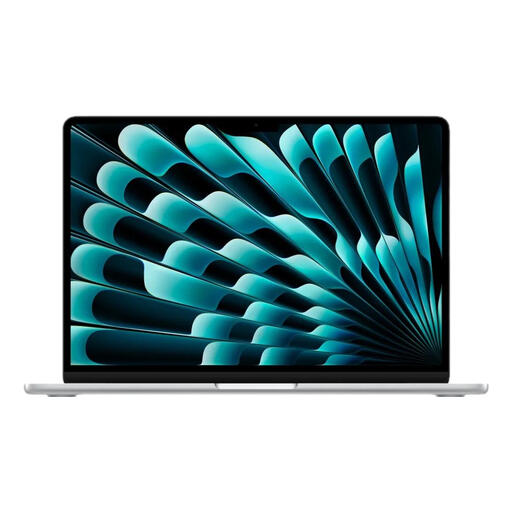
Apple 13-inch MacBook Air (2026), M5, 16GB, 1TB SSD, Silver
This compact MacBook Air is a choice for portable drafting if the museum confirms its review and printing workflow works on macOS.
Apple lists a 13.6-inch display for the 13-inch M5 model. Check required adapters and confirm the exact processor configuration before ordering.
View on Joybuy
Common questions
Do I need a powerful laptop just to write museum labels?
For text drafting alone, start with the required document workflow, then assess the keyboard, display and space for local project files rather than choosing by graphics specifications. If the job also involves exhibition-image editing or specialist collections software, ask the museum for that software’s requirements.
Can I write labels without an internet connection?
Yes, if you prepare the files and application before going offline. Google says Docs files can be edited offline after the required setup; Microsoft Support advises downloading and opening documents beforehand and says pending changes sync when connectivity returns.
Is a Chromebook suitable for a museum-label project?
A Chromebook can suit a project whose complete document workflow the museum accepts in a browser. Check supplied Word templates, specialist fonts, desktop-only applications and the printing process separately before relying on it.
What should I do with an old laptop when replacing it in the UK?
Check your local authority’s electrical-waste arrangements or a retailer’s take-back terms rather than putting the laptop in general waste. GOV.UK identifies the Waste Electrical and Electronic Equipment Regulations 2013, as amended, as the legislation underpinning the UK framework.


