Writers moving between museum workspaces
If you draft labels in galleries, storage areas or at temporary desks, you may need to carry the laptop and work without assuming a socket will be free.


For writing museum labels away from a reliable socket, start with a portable laptop whose operating system works with the museum’s templates, content system, printer and sign-in method. Then compare battery claims by their test conditions and check that the screen and keyboard suit your writing sessions. Windows, macOS and ChromeOS can each serve the task, but none should be assumed compatible with an unconfirmed workplace workflow.
If you draft labels in galleries, storage areas or at temporary desks, you may need to carry the laptop and work without assuming a socket will be free.
If your work depends on an organisation’s templates, content system, printer, storage or sign-in arrangements, confirm that those tools work on the operating system before choosing a laptop.
If you spend sustained periods reading and revising text, consider the screen, keyboard and desk setup as well as portability. The Health and Safety Executive’s display-screen guidance also covers mobile work and hot-desking.
Confirm the museum workflow before comparing operating systems; for socket-limited work, assess battery-test conditions and charging alongside the laptop’s suitability for sustained writing.
Consider it when: The museum requires a Windows desktop environment or confirms that its writing tools work on the particular laptop.
Trade-off: Windows alone does not establish compatibility with every application or peripheral; check the exact configuration and workplace requirements.
Consider it when: The museum confirms that its templates, content system, printing, files and sign-in work on macOS.
Trade-off: Apple specifies a minimum 30 W USB Power Delivery source for charging the 13-inch M5 model, so check the power source you expect to use.
Consider it when: Label drafting, approvals and file access are confirmed to work through ChromeOS-compatible tools.
Trade-off: Check desktop applications, printing, sign-in and offline work individually rather than assuming a browser-based writing task covers the whole workflow.
| Concern | What to check | Who this matters to |
|---|---|---|
| Working away from sockets | Compare each configuration’s battery-test workload and charging requirements; plan for the length of your session. | If I cannot count on a free socket, I need enough battery headroom to keep revising labels and a workable way to recharge. Around 42% of consumers put that need first. |
| Museum workflow | Confirm the required applications, templates, content system, sign-in, printer and offline access with the museum. | A laptop is of little use to me if I cannot submit a label or use the required printer, even when it lasts away from mains power. That is the primary concern for around 33% of consumers. |
| Sustained writing comfort | Assess screen readability, keyboard comfort, carry weight and the desk or external equipment available for longer sessions. | When I spend hours checking wording and layout, I need a setup I can read and type on comfortably. Around 25% of consumers prioritise that need. |
Manufacturers use different workloads for battery figures, including video playback and web use. Microsoft says actual Surface battery life can vary significantly with use, network conditions and settings; Acer also notes variation with configuration and operating conditions.
Compare the test method for the exact model, then allow headroom for your working conditions and take the correct charger when access to power is uncertain.
Ordinary document writing does not establish that the museum’s content system, templates, printer, security tools or offline process will work on a particular device.
Ask which operating system, applications, browser, file formats, sign-in method and peripherals the museum requires before ordering.
A compact laptop may be easier to move between spaces, but sustained editing also depends on readable text and a suitable workstation. The Health and Safety Executive identifies pain, fatigue and eye strain among the risks associated with poor display-screen work arrangements.
Consider where you usually type and how glare affects the screen. For regular sustained work, follow your employer’s workstation assessment process.
A longer-term desk setup may call for an approved external display, keyboard or stand.
Charging requirements vary by model. Apple specifies a minimum 30 W USB Power Delivery source for the 13-inch M5 MacBook Air.
Check the chosen laptop’s charging requirement, the available source, and which charger and cable are included before depending on shared USB-C power.
An underpowered available source may mean carrying a compatible charger or power bank.
The 13-inch Surface Laptop is a compact Windows option for document work.
The 13-inch M5 MacBook Air is a macOS option when the museum confirms its workflow supports macOS.
The Zenbook A14 UX3407 is a 14-inch Windows option with several types of built-in connection.
The Chromebook 314 is a 14-inch ChromeOS option for a confirmed compatible workflow.
These laptops offer different screen sizes and operating-system routes for museum label writing. Match any choice to the museum’s workflow and your access to charging; a product’s battery claim is not a promise of session length.
 No image available
Consider this ChromeOS model only if the museum confirms that its label-writing, printing and sign-in workflow works on it.
The product name specifies a 14-inch 1,920 × 1,200 WUXGA display and an Intel Core i3-1315U processor. Check the battery test result for this exact configuration before planning work away from sockets.
 No image available
This 14-inch Windows-route laptop is worth considering once the museum confirms that its required applications and peripherals work with the exact device.
The product name identifies a Snapdragon X processor and the Quiet Blue variant. Check its battery runtime and test conditions before relying on it at socket-limited desks.
 No image available
Consider this larger-screen option if desk space matters more to you than a compact 13- or 14-inch format.
The product name identifies a Qualcomm Snapdragon processor. Confirm that the museum’s applications and peripherals work with this Windows on ARM configuration, and check the conditions behind its battery claim.
 No image available
This 15.6-inch Windows laptop suits consideration where a larger screen is useful and the extra carry size is acceptable.
The product name specifies a Full HD display and Intel N150 processor. Confirm the Windows mode for this configuration and whether it permits the museum’s required software; also check the battery-test conditions before working away from power.
 No image available
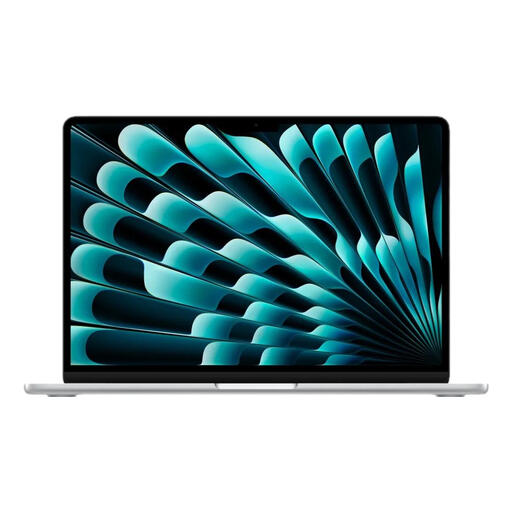
Consider this model when the museum confirms that its complete label-writing workflow works on macOS.
This variant has a 10-core CPU and 10-core GPU. Apple lists up to 15 hours of wireless web use for the 13-inch M5 model and specifies a minimum 30 W USB Power Delivery charging source; check the charger available to you.
Use it as a figure tied to a particular test, not a guarantee that the laptop will last through your museum session. Microsoft says actual battery life varies significantly with use and settings, so compare test conditions, confirm the exact configuration and plan how you will recharge.
No; check the laptop’s charging requirement against the power source. Apple specifies at least a 30 W USB Power Delivery source to charge the 13-inch M5 MacBook Air, while other models have their own requirements.
Yes, if the museum confirms that drafting, approvals, file access, sign-in and printing work with its ChromeOS-compatible tools. Check any desktop-only applications and offline requirements before choosing one.
For workers using display-screen equipment daily for continuous periods of an hour or more, the Health and Safety Executive says the UK display-screen-equipment regulations apply. Its guidance covers mobile workers and hot-desking; follow your employer’s workstation assessment process rather than assuming a portable laptop alone addresses the setup.