What matters when choosing
Start with the applications your course requires, then decide how much of your work is typed and how much needs a pen. Before settling on a tablet or two-in-one, check the accessories needed for the way you intend to use it.
| Concern | What to check | Who this matters to |
|---|
| Course software |
Confirm required applications, operating system and processor architecture with your department. |
If my course uses specialist software, I need a device that can run it for assessed work; around 36% of consumers would put course-software fit first. |
| Typing and multitasking |
Assess the keyboard arrangement and whether the screen suits extended document work. |
When assignments involve long stretches of writing and switching between sources, I want a dependable typing setup; roughly 29% of consumers would prioritise that workflow. |
| Handwriting and annotation |
Match the intended pen to the exact device model and check whether it is included. |
I work through lectures by drawing and marking up readings directly, so pen input matters most; about 21% of consumers would make handwriting their primary concern. |
| Daily carry and accessories |
Check device weight and which pen, keyboard or charger the intended setup needs. |
If I move between teaching and study spaces, I want a setup I can carry and use without missing an essential accessory; around 14% of consumers would put that practical fit first. |
Laptop and two-in-one options on Joybuy
These models cover laptop-first coursework and one convertible touchscreen option. If handwriting is central to your decision, check pen support separately rather than treating a touchscreen or laptop form as proof that handwriting is available.
 No image available
ASUS Vivobook 15 X1504VA, 24 GB, 1 TB SSD
Consider this laptop-first option for typed assignments and general coursework. Its listed configuration has a 15.6-inch display, Intel Core 5 120U, 24 GB RAM and a 1 TB SSD; check course software requirements and touchscreen or pen support if you need direct annotation.
View on Joybuy
 No image available
HP OmniBook X Flip 16-as0004na, 16 GB, 512 GB SSD
Consider this two-in-one if you want a keyboard-based Windows device with a touchscreen. The listed model has a 16-inch display, Intel Core Ultra 5 226V, 16 GB RAM and a 512 GB SSD; confirm compatible pen support before choosing it for handwritten notes.
View on Joybuy
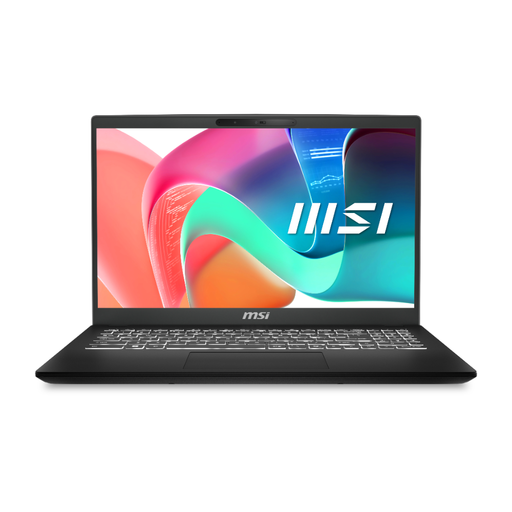 No image available
MSI Modern C2RMG-282UK, 16 GB, 512 GB SSD
This is a laptop-first option for students whose work centres on typing. Its listed configuration includes a 15-inch Full HD display, Intel Core 5, 16 GB RAM and a 512 GB SSD; check course compatibility and any handwriting requirements separately.
View on Joybuy
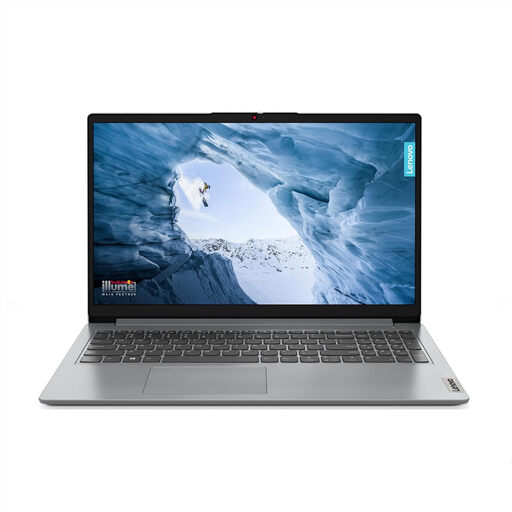 No image available
Lenovo IdeaPad 1 15-inch, Ryzen 3 7320U, 8 GB, 128 GB SSD
Consider this laptop for typed study work if its storage and software setup meet your needs. It lists a 15-inch Full HD display, 8 GB RAM, a 128 GB SSD and Windows 11 Home in S Mode; check required applications against that configuration before buying.
View on Joybuy
 No image available
ASUS Vivobook 14 X1407QA-LY003W, 16 GB, 512 GB SSD
This 14-inch laptop is an option for typing-led study rather than direct on-screen handwriting. Its listed Snapdragon X processor uses Windows on ARM, with 16 GB RAM and a 512 GB SSD; confirm that required course applications and peripherals work with that processor architecture.
View on Joybuy
Common questions
Can a tablet be my only university device?
Only if it can handle your course’s required software and assessed work. The University of Bristol says tablets are not suitable as the main computer for most of its students, so check with your department or ensure you have dependable access to a suitable computer.
Do I need a Windows laptop for university?
That depends on your course, not university study in general. The University of Bath identifies Windows-only software in Mechanical Engineering, while the University of Nottingham advises checking processor compatibility for Electrical and Electronic Engineering; use your own department’s requirements to decide.
What laptop specification should I start with for general study?
Use institutional guidance as a starting point, then check your course’s requirements. The University of York lists an Intel i3 or AMD Ryzen 3 processor, 8 GB RAM and at least 256 GB SSD storage in its minimum specification for taught students; specialist work may call for a different configuration.
How do I choose between a keyboard tablet and a two-in-one?
Choose by the applications you must run and how often you type or write by hand, rather than by the screen alone. Check pen and keyboard inclusion and exact-model compatibility: Microsoft limits its Surface Pro 12-inch Keyboard to the Surface Pro 12-inch, and Lenovo says pen availability varies across selected Yoga models.


