For a main university study device, start with the laptop or desktop access your course requires: UCL calls for regular access to one, while Bristol advises against relying on a tablet as a main computer. A tablet can serve well for notes and reading, but use one as your only device only after your department confirms that its applications and assessments will work. Check course software and connections before choosing a processor or buying accessories.
Who needs which setup?
Students choosing one main computer
If assignments, the virtual learning environment and group calls all need to work on one device, begin with your institution’s computer requirements. UCL calls for regular laptop or desktop access, and Bristol advises that tablets are not suitable as a main computer.
Students using engineering software or connected hardware
Ask your department which operating system, processor and interfaces its work requires. The University of Nottingham warns that ARM-based devices may not support all required engineering software or hardware interfaces; the University of Strathclyde’s design, manufacturing and engineering management department uses Windows PCs.
Students who mainly want to annotate and read
A tablet may suit handwritten notes and online resources, as Loughborough University’s laptop advice notes. Before making it your only device, confirm that your course applications, assessments and any required peripherals work on it.
What should you check before buying?
Confirm the course requirements first, then decide whether a laptop will be your main device or a tablet will complement the computer you can access.
Laptop as the main device
Choose it when: You need regular access to computer-based assignments and course applications; UCL calls for regular laptop or desktop access.
Check before buying: The laptop’s operating system and processor still need to meet your department’s requirements.
Tablet for notes and reading
Choose it when: Handwriting, annotation and access to online resources are the tasks you want it to handle; Loughborough identifies note-taking and online resources as tablet uses.
Keep in mind: A keyboard or stylus does not make required course software compatible. Confirm the full workflow before relying on a tablet alone.
| Priority | What to check | Your needs |
|---|
| Course compatibility |
Ask your department about required applications, operating systems and connected hardware. For specialist engineering work, check processor architecture too: the University of Nottingham warns of possible ARM compatibility limits. |
I need my course software and any required equipment to work on the computer I choose. |
| Main-device access |
Check whether you have regular access to a laptop or desktop and whether a proposed tablet can handle required assessments. UCL calls for regular computer access; Bristol advises against tablets as main computers. |
Recorded lectures, the virtual learning environment and assignments need to fit into a workable study routine. |
| Notes and reading |
Check stylus and keyboard options on the specific tablet, plus access to required applications. Loughborough identifies note-taking and online resources as tablet uses. |
Handwritten notes and document annotation matter to me, but I still need a way to complete assessed work. |
| Online collaboration |
Check the device’s camera, microphone and audio connections against your calling setup. Consider a headset with a microphone for calls in shared spaces; test the built-in camera before adding another. |
I want to hear and speak clearly in online tutorials and group meetings. |
| Ports and files |
Compare the device’s actual ports with your monitor and USB accessories. Check local storage against the files and applications your course uses before choosing an adapter, hub or external drive. |
I may need to connect equipment or keep course files available away from an internet connection. |
What buying mistakes should you avoid?
-
Assuming a tablet can be your only study computer
Loughborough identifies tablets as useful for notes and online resources, but Bristol advises that they are not suitable as a main computer. An unsupported course application or assessment could leave you needing access to another computer.
Get your department’s current software and assessment requirements before deciding to rely on a tablet alone.
-
Assuming every Windows processor suits specialist work
The University of Nottingham warns that ARM-based devices may not support all required engineering software or hardware interfaces. A Windows label by itself does not settle that question.
Check the exact applications and hardware with your department. If it requires a standard Intel or AMD Windows system, use that requirement when comparing models.
Which brands offer relevant options?
Brand ranges offer different device formats, but a student label does not establish compatibility with a particular course.
Apple
Mac and iPad provide laptop and tablet routes. Apple highlights Apple Pencil for notes; check the specific device and accessories for the work you intend to do.
- An iPad with a compatible Apple Pencil is an option to investigate for handwritten notes.
- Confirm course software before choosing a Mac or iPad for work that may require Windows.
Microsoft Surface
Microsoft presents Surface laptop and tablet-style options for students.
- The range offers different form factors to compare with your typing and note-taking needs.
- Check the precise processor: the University of Nottingham warns that ARM-based devices may not support all required engineering software or interfaces.
Lenovo
Lenovo presents Windows laptops and convertibles in its UK education range.
- Laptop and convertible formats give you distinct ways to arrange typing and note-taking.
- Check the chosen configuration against your department’s operating-system, software and connection requirements.
Joybuy laptop options
These Windows laptops are options to consider if you need a main computer for university study. They do not replace the course-compatibility check or the separate decision about whether a tablet or accessory would help your workflow.
 Image unavailable
ASUS Vivobook 15 X1504VA, Core 5 120U, 24 GB, 1 TB SSD
Consider this laptop if you want one computer for assignments and online study. The title specifies a 15.6-inch display, Intel Core 5 120U, 24 GB memory and 1 TB SSD. Check your department’s applications and any specialist peripherals before choosing it.
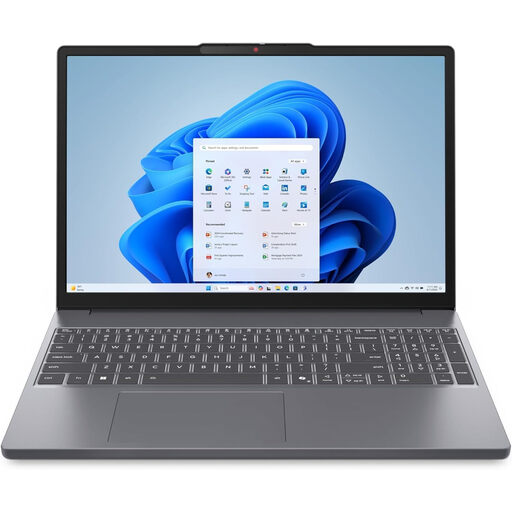 Image unavailable
Lenovo IdeaPad Slim 3 83K7009MUK, Ryzen 5 7535HS, 24 GB, 512 GB SSD
This is a Windows laptop to assess for assignment writing and online course work. Its title lists a 15.3-inch WUXGA display, AMD Ryzen 5 7535HS, 24 GB DDR5 memory, 512 GB PCIe SSD, Windows 11 Home and Wi-Fi 6. Confirm course software and peripheral requirements before buying.
 Image unavailable
ASUS Vivobook 14 X1407QA-LY003W, Snapdragon X, 16 GB, 512 GB SSD
Consider this laptop for general study only after checking the applications you need. The title specifies a Snapdragon X processor, 16 GB memory and 512 GB SSD. Because Snapdragon X uses ARM architecture, confirm specialist software and hardware-interface compatibility with your department; the University of Nottingham identifies possible limits for ARM-based engineering devices.
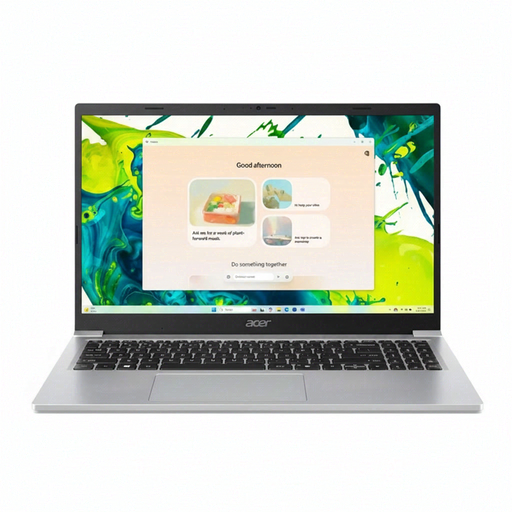 Image unavailable
Acer Aspire Lite AL15-36P-C29Z, Intel N150, 8 GB, 128 GB SSD
Assess this laptop against the files and applications your course requires. Its title specifies a 15.6-inch Full HD display, Intel N150, 8 GB DDR4 memory, 128 GB SSD and Windows 11 Home. Check whether S Mode applies to the configuration and whether your required applications can run; also assess whether 128 GB covers your local storage needs.
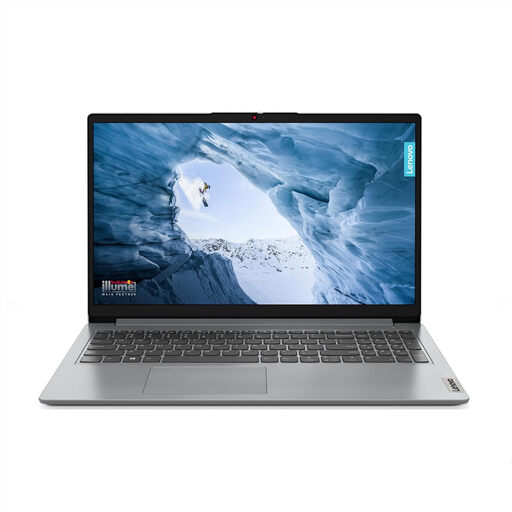 Image unavailable
Lenovo IdeaPad 1, Ryzen 3 7320U, 8 GB, 128 GB SSD
This laptop is an option to check for general digital coursework. Its title specifies a 15-inch Full HD display, AMD Ryzen 3 7320U, 8 GB memory, 128 GB SSD and Windows 11 Home in S Mode. Confirm that your required applications work with this configuration and that its local storage meets your needs.
Frequently asked questions
Can a tablet replace a laptop at university?
Only if your department confirms that the tablet can handle every required application, assessment and peripheral. Loughborough identifies note-taking and online resources as tablet uses, while Bristol advises against relying on a tablet as a main computer.
When does processor type affect the laptop choice?
It matters when your course uses specialist software or connected hardware. The University of Nottingham warns that ARM-based devices may not support all required engineering software or interfaces, so confirm the supported operating system and processor with your department before choosing an ARM-based Windows laptop.
Should I buy a headset and an external webcam?
Check your calling environment and the camera and microphone you already have before buying either. A headset with a microphone may address calls in shared spaces; add an external webcam if your built-in camera is absent or inadequate for the activity.
What should I check before buying an adapter or USB hub?
Match your device’s actual ports and charging method to the monitor or accessories you intend to connect. An adapter can address a connection need, but it cannot make incompatible course software run on the device.


