Mobile recipe editors
If you revise ingredients, notes and recipe text in short gaps between visits, carrying weight, keyboard comfort, screen space and charging arrangements shape the choice.


For short recipe-editing sessions between client visits, start with a laptop you are comfortable carrying and check that it runs your required software. A compact MacBook Air can suit a macOS text-and-photo workflow; if you rely on established Windows plug-ins, check processor compatibility particularly carefully before choosing a Snapdragon Windows model. Allow enough memory and storage for the photo work you actually do.
If you revise ingredients, notes and recipe text in short gaps between visits, carrying weight, keyboard comfort, screen space and charging arrangements shape the choice.
If you also organise and adjust food photographs, consider memory, local storage and the display alongside portability. Adobe recommends 16GB or more of memory and a fast SSD for Lightroom Classic.
If client work depends on particular Windows applications, plug-ins or peripherals, check them against the laptop’s processor as well as its operating system. Adobe identifies compatibility limits for Intel-compiled third-party plug-ins on ARM-based Windows.
Check essential software compatibility before weighing up carrying comfort and photo-editing needs: a convenient screen size cannot compensate for a client workflow that will not run.
| Concern | What to check | Who this matters to |
|---|---|---|
| Carrying and short sessions | Compare the exact model’s weight, screen size and keyboard, and read the conditions behind any battery claim. | When I edit between visits, I want a laptop that is manageable to carry without making recipes awkward to read. Around 45% of consumers put this mobile-working need first. |
| Recipe photographs | Check memory, SSD capacity and the exact display specification against your image editor and local photo library. Adobe recommends 16GB or more and a fast SSD for Lightroom Classic. | Keeping food photographs alongside the recipes makes room for image files and editing work my priority. For around 33% of consumers, that photo-related need comes first. |
| Workflow compatibility | Confirm required applications, plug-ins and device drivers for the selected operating system and processor. Adobe says Intel-compiled third-party plug-ins are incompatible with its ARM-native applications. | If a client’s existing tools are essential, I need them to run before screen or storage choices matter; roughly 22% of consumers place compatibility first. |
Adobe lists 8GB as a Lightroom Classic minimum but recommends 16GB or more and a fast SSD.
If Lightroom Classic is part of your recipe-photo workflow, compare laptops with that recommended memory level and size the SSD for the images you keep locally.
Windows-on-ARM compatibility varies by application and plug-in. Adobe says Intel-compiled third-party plug-ins are incompatible with its ARM-native applications.
Check each essential application, plug-in and device driver before choosing a Snapdragon laptop. If an indispensable tool cannot be confirmed, consider a Windows model with an Intel or AMD processor.
Changing incompatible plug-ins or workflow steps can take time.
Ports, storage and supplied accessories can differ. Apple lists two Thunderbolt 4 ports for the cited MacBook Air, while Dell states that a charger is not included with its cited XPS 13 listing.
Check the exact variant’s memory, storage, ports and included accessories before ordering.
Depending on the chosen listing and the devices you connect, a hub or suitable charger may also be needed.
MacBook Air offers a compact macOS option for recipe documents and images. Apple lists a 13.6-inch display and a 16GB memory, 512GB SSD configuration in its UK specifications.
The 13-inch Surface Laptop is a Windows option for carrying between visits; Microsoft lists this model at 1,225g.
Yoga Slim includes 14-inch Windows options for buyers who review recipe photographs as well as edit text.
XPS 13 is an Intel Windows option worth comparing when you want a smaller laptop for recipe and browser work.
These macOS and Windows laptops cover compact options for visits as well as larger screens for working with recipes and images. Compare the exact software you use, the files you keep locally and the size you are willing to carry.
 No image available
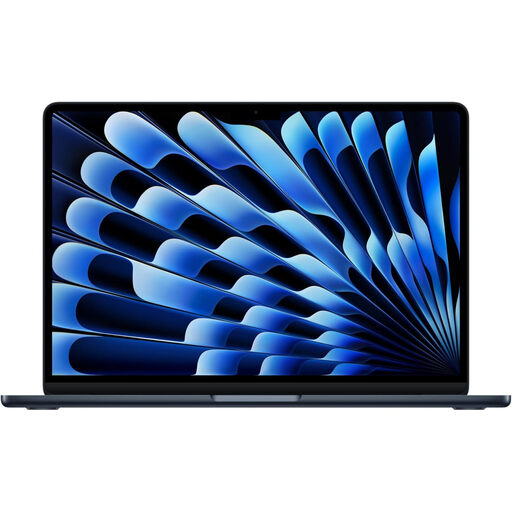
Consider this macOS model if you edit recipes between visits and keep a substantial collection of images on the laptop.
The listed variant has a 10-core CPU, 10-core GPU, 24GB memory and a 1TB SSD. Confirm compatibility with your client software and check its carrying weight and battery information if those determine your choice.
 No image available
This is another compact macOS choice for recipe writing and image work, provided your applications run on macOS.
The listed variant has a 10-core CPU, 8-core GPU, 16GB memory and a 512GB SSD. Check whether that storage accommodates your local image library and whether its battery information suits sessions away from a desk.
 No image available
Consider the larger touchscreen if you want more display space while working through recipes and photographs between visits.
The title specifies an Intel Core i9, RTX 3050, 16GB RAM, a 1TB SSD and Windows 11 Home. Check the exact display’s colour specification if accurate photo review matters to your work.
 No image available
This 14-inch option is worth considering for mobile recipe documents if your essential Windows applications and accessories work with its Snapdragon processor.
The listed variant has 16GB RAM and a 512GB SSD. Check every required client application, plug-in and driver for ARM-based Windows before choosing it.
 No image available
Consider this larger-screen Windows laptop if you keep many recipe and image files locally and can accommodate its size between visits.
The listed variant has an Intel Core 5 120U processor, 24GB memory and a 1TB SSD. Check display colour specifications for photo review, and assess battery information for the editing sessions you expect.
Base the choice on your applications and whether you edit photographs, rather than recipe documents alone. If you use Lightroom Classic, Adobe recommends 16GB or more of memory and a fast SSD; its 8GB minimum is not the same as its recommended specification.
A 13-inch model can suit short edits between visits when carrying a smaller laptop matters most; a 14-inch screen may give you more room to work with recipes and images. Compare the exact models’ dimensions and weights rather than using screen size alone as a measure of portability.
Check each required plug-in before choosing a Snapdragon laptop. Adobe documents support for named applications on ARM-based Windows but says Intel-compiled third-party plug-ins are incompatible with its ARM-native applications; check required features and device drivers too.
For an online purchase in the UK, GOV.UK says customers generally have 14 days from receiving the item to tell the seller they want to cancel. Faulty or misdescribed goods are a separate matter from a change-of-mind return; check the applicable remedy rather than assuming the cancellation process is your only option.