What matters when choosing?
Start with the screen you will use beside the window, then decide how much room your learning tools need and which connections make everyday study easier.
| Concern |
What to check |
Who this matters to |
| Window-side readability |
Check the exact panel’s normal brightness in nits and whether it has an anti-glare or low-reflection finish. HDR peak brightness is not the same measure as normal brightness. |
If reflections make code and tutorial text hard to read, I would put the display ahead of processor upgrades; roughly 50% of consumers would make daylight readability their primary concern. |
| Room for more learning tools |
Check installed memory and SSD capacity, plus compatibility with any containers or local tools you intend to use. Microsoft’s editor requirements do not describe a complete development setup. |
As I move from browser exercises to several local tools, I need a configuration that suits that broader workload; around 33% of consumers would put development flexibility first. |
| Portable everyday study |
Compare screen size and the exact port list with your monitor, storage devices and other accessories. |
If I carry my laptop between study spaces, I want a manageable setup without overlooking the connections I use at my desk; approximately 17% of consumers would prioritise portable simplicity. |
Laptop choices on Joybuy
These laptops offer different ways to approach window-side study, from compact MacBook Air configurations to Windows models with dual screens, conventional ports or gaming hardware. Compare each exact variant with your lighting and planned software rather than treating the product list as a ranking of screen performance.
 Image unavailable
Apple 13-inch MacBook Air M5, 24GB, 1TB SSD, Midnight
Consider this macOS configuration if you want a compact laptop for code practice and expect to keep several learning tools open.
Its listed configuration has an M5 chip, 24GB memory and a 1TB SSD. Apple specifies a 500-nit display for the 13-inch M5 MacBook Air family; check how reflections appear at your desk.
View on Joybuy
 Image unavailable
ASUS Zenbook DUO UX8406CA-QL135W, dual 14-inch OLED, 16GB, 1TB SSD
The dual touchscreens may suit study sessions where you want an editor and learning material visible separately.
This variant’s name identifies an Intel Core Ultra 7 255H processor, 16GB memory and a 1TB SSD. Confirm the exact panel resolution and screen finish before choosing it for a reflective window-side desk.
View on Joybuy
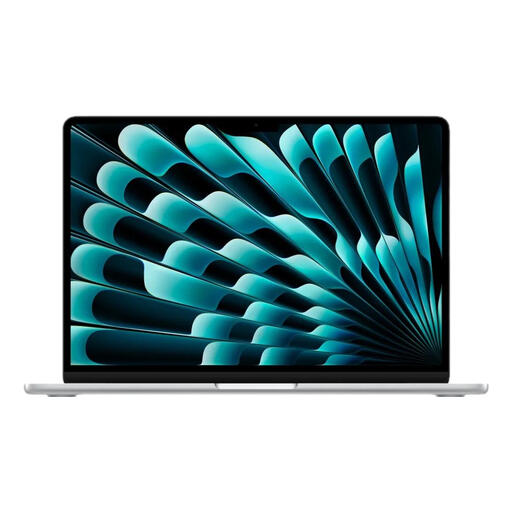 Image unavailable
Apple 13-inch MacBook Air M5, 16GB, 1TB SSD, Silver
This is another compact macOS configuration for browser-based lessons and editor work, with 16GB memory and a 1TB SSD identified in its product name.
Apple specifies a 500-nit display for the 13-inch M5 family. Check reflection handling at your desk and confirm the processor configuration on the product page before ordering.
View on Joybuy
 Image unavailable
ASUS Vivobook 14 X1407QA-LY003W, Snapdragon X, 16GB, 512GB SSD
Consider this 14-inch option if you prefer a Windows laptop for everyday study.
Its name identifies a Snapdragon X processor, 16GB memory and a 512GB SSD. Before buying, confirm that the particular coding applications you intend to use work with this Snapdragon X Windows configuration.
View on Joybuy
 Image unavailable
Lenovo LOQ Essential 15ARP11, 15.6-inch FHD, 16GB, 1TB SSD
This gaming-laptop configuration may make sense if you also need its gaming hardware, rather than buying it solely to practise regex.
The product name specifies a 144Hz FHD display, AMD Ryzen 7 170 processor and GeForce RTX 5050 graphics. Check its screen brightness and finish for your window-side position; the graphics specification alone does not answer the readability question.
View on Joybuy
Questions about buying and use
Do I need a gaming laptop to learn regular expressions?
No gaming hardware is required for regex practice in Visual Studio Code itself. Microsoft recommends a processor of 1.6GHz or faster and 1GB RAM for the editor, but that figure is not a suitable memory target for every laptop: check your needs separately if you will run many browser tabs, containers or other local tools.
Should I choose the highest stated screen brightness?
Not on brightness alone: compare the exact panel’s finish and normal brightness, then consider where the window sits relative to your screen. Apple lists 500 nits for the 13-inch M5 MacBook Air, while ASUS lists 400-nit OLED options with anti-glare and low-reflection treatment for certain Zenbook 14 UX3402 variants; neither specification guarantees a reflection-free view at your desk.
What should I check before ordering a laptop online in the UK?
Confirm the exact model and display variant, installed memory, storage, keyboard layout, included accessories and delivery and cancellation terms. GOV.UK says customers buying at a distance can generally cancel up to 14 days after delivery; check the applicable terms and process before ordering rather than assuming that a retailer’s voluntary return policy is the same as statutory rights.
What if my laptop arrives faulty?
A faulty laptop may give you statutory remedies separate from a change-of-mind return. The Consumer Rights Act 2015 explanatory notes published by legislation.gov.uk describe a minimum 30-day period for the short-term right to reject, beginning after the relevant ownership, delivery and any required installation conditions are met. Keep your order and delivery records and describe the fault to the seller promptly.


