Start with a 13- or 14-inch laptop that fits your desk, then choose its operating system and processor architecture around the tools you actually use. A compact Windows laptop with an AMD or Intel processor is a sensible starting point if you may need Windows-specific tools or drivers; choose macOS for a confirmed macOS or Safari workflow, and check low-level compatibility before choosing Windows on Arm. Browser device emulation helps with quick layout checks, but important filter behaviour still needs testing on real target devices.
Who is this for?
Small-desk browser testers
If you inspect a search filter at different viewport widths, you need room for the browser and its inspection panels without letting the laptop dominate the desk. Chrome for Developers says Device Mode can approximate mobile layouts and conditions; it cannot replace checks on a real device.
Testers with a fixed toolchain
If your work depends on particular browser extensions, automation tools, security software or USB devices, check those dependencies before choosing a processor architecture. Microsoft says Windows 11 on Arm can emulate x86 and x64 applications, but kernel drivers must be native Arm64.
Developers working across several windows
If you keep a browser, DevTools, an editor and a local server open together, compare the memory, display and connections of the exact configuration. The compact models described by Apple, Lenovo, ASUS and Microsoft differ on those points; a product-family name alone will not settle the choice.
What matters when choosing?
For search-filter testing on a small desk, establish the space available and the software you must run before deciding whether extra screen room or connections justify a larger laptop.
| Concern |
What to check |
Who this matters to |
| Desk space and inspection |
Compare screen size with the space available for the keyboard, browser and DevTools. Check chassis dimensions if the desk is shallow. |
I need to inspect responsive layouts without crowding the desk or making the browser awkward to use. Roughly 40% of consumers put compact working space first. |
| Tool compatibility |
Confirm support for your required operating system, browser versions, automation tools and any drivers or peripherals. |
If my local stack or a device driver cannot run, a smaller screen will not help me complete the tests. For roughly 40% of consumers, compatibility is the primary concern. |
| Working room and connections |
Check the selected variant’s memory, storage, ports and external-display support against the way you work. |
I may need an editor and local server open beside the browser, or a wired display and test device connected. Around 20% of consumers prioritise that working room and expansion. |
Buying pitfalls
-
Treating device emulation as a real-phone test
Chrome for Developers describes Device Mode as an approximation. It does not run the search filter on the target phone, so it cannot establish how every interaction behaves there.
Use emulation for quick viewport and throttling checks, then test important filter interactions and input behaviour on the real devices you need to support.
-
Choosing Windows on Arm without checking drivers
Microsoft says Windows 11 on Arm can emulate x86 and x64 applications, while kernel drivers must be native Arm64. An application opening successfully does not establish that its hardware or low-level dependencies will work.
Check the exact automation setup, virtualisation tools, security client, USB utilities and drivers you require before buying an Arm-based model.
-
Comparing laptop families instead of configurations
Display, memory and connection details can vary between variants bearing the same family name. A specification shown for one configuration should not be assumed for the one at checkout.
Match the selected processor, memory, storage, screen, ports, keyboard layout and support terms to your requirements before ordering.
-
Assuming similar product titles identify the same laptop
A matching family name or screen size does not establish that two listings have the same processor and configuration. Availability can also change between viewing a listing and ordering.
Check the full model and selected variant on the product page and again at checkout.
Relevant brands to consider
Lenovo
The ThinkPad X13 Gen 6 AMD is one compact Windows route for a desk where space is limited.
- Lenovo UK lists a 13.3-inch 1920 × 1200 display, 32GB memory and a 1TB SSD for the cited configuration.
- Those specifications belong to that configuration; check the components and connections of the variant you select.
Apple
The 13-inch MacBook Air is relevant when the testing workflow is deliberately based on macOS or includes Safari.
- Apple’s UK M5 specifications list a 13.6-inch 2560 × 1664 display, 16GB unified memory in the stated configurations and two Thunderbolt 4/USB-C ports.
- Confirm a supported macOS route for any Windows-specific tools, company software and peripherals you require.
ASUS
The Zenbook 14 OLED UX3405 illustrates a 14-inch Intel route for someone who can give the laptop more desk space.
- ASUS UK lists two Thunderbolt 4 ports, USB-A, HDMI 2.1 and an audio jack for this product line.
- Check the selected variant’s display and components, and measure the available desk space before opting for a 14-inch model.
Microsoft
The 13-inch Surface Laptop represents the compact Windows on Arm route.
- Microsoft lists a 13-inch Snapdragon X2 Plus model with a 1920 × 1280 display, two USB-C ports and USB-A.
- Microsoft says kernel drivers on Windows on Arm must be native Arm64; confirm any drivers and specialist tools needed for your tests.
Joybuy product choices
These 13- and 14-inch laptops offer different starting points for browser-focused work at a small desk. Choose among them by checking your required software and connections as well as the space available; the listed models do not all use the same operating system or processor architecture.
 No image available
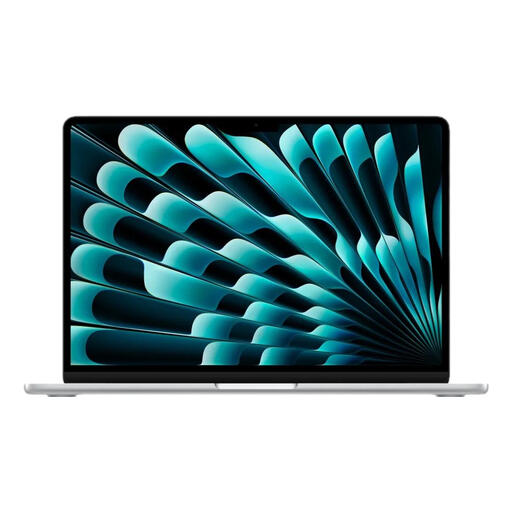
Apple 13-inch MacBook Air M5 (2026), 16GB, 1TB SSD, Silver
Consider this compact model for a confirmed macOS testing workflow. Its title specifies 16GB memory and a 1TB SSD; check that your required tools and peripherals work on macOS, and confirm the processor configuration of the selected item.
View on Joybuy
 No image available
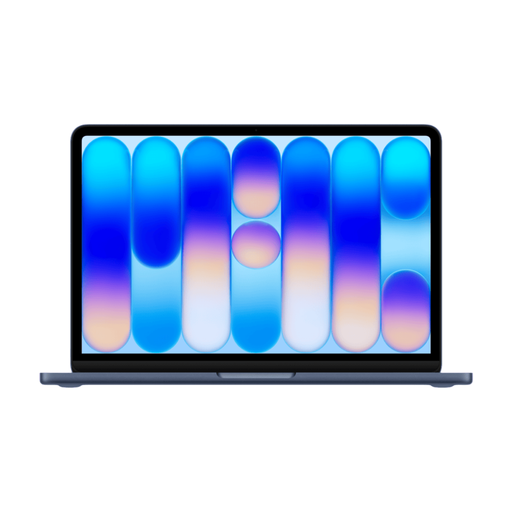
Apple 13-inch MacBook Neo A18 Pro (2026), 8GB, 512GB SSD, Indigo
The 13-inch size makes this a compact option to assess for browser checks. The title specifies 8GB memory, a 512GB SSD and Touch ID; confirm the operating system, connections and support for your required testing tools before choosing it.
View on Joybuy
 No image available
Acer Chromebook Plus 514 CB514-5H, 14-inch, Core i3-1315U, 8GB, 256GB SSD, Iron
Consider this Chromebook if a 14-inch laptop fits your desk and your browser-testing workflow can run on it. The title specifies a 1920 × 1200 display; confirm support for any local development and automation tools you need.
View on Joybuy
 No image available
ASUS Vivobook 14 X1407QA-LY003W Snapdragon X, 16GB, 512GB SSD, Quiet Blue
Consider this 14-inch Snapdragon X model if it fits your desk and your required Windows on Arm tools and peripherals are compatible. The title specifies 16GB memory and a 512GB SSD; check drivers and low-level dependencies in particular.
View on Joybuy
 No image available
Lenovo IdeaPad Slim 3 Chromebook 14IAN8, Core i3-N305, 8GB, 256GB eMMC, Grey, 83BN001EUK
This 14-inch Chromebook is an option to assess for web-focused checks when your desk has room for it. The title specifies 8GB memory and 256GB eMMC storage; confirm that your local tools, automation setup and peripherals work with your intended Chromebook workflow.
View on Joybuy
Frequently asked questions
Do I need a powerful laptop just to check a search filter?
Not necessarily if the task is limited to browser-based checks. Chrome DevTools offers viewport inspection and throttling tools, but a workflow that also runs local servers, automation, multiple browsers or several development applications needs a configuration chosen around those specific demands.
Can Chrome Device Mode replace testing on a real phone?
No. Chrome for Developers describes Device Mode as an approximation rather than a test running on the phone itself. Use it to inspect layouts quickly, then check important search-filter interactions on the real target devices.
Will my web-development tools work on a Windows on Arm laptop?
They may, but check the exact applications and dependencies before buying. Microsoft says Windows 11 on Arm can emulate x86 and x64 applications, while kernel drivers must be native Arm64; that distinction matters if your work uses hardware utilities, security software or low-level tools.


