A 13–14-inch laptop is a sensible starting point when music worksheets must share desk space with paper scores or another person’s equipment. Consider a 15-inch model if its built-in screen will be your main space for editing dense scores and page layouts. Before choosing either size, check your notation software, any sound-library storage needs and the connections required by your monitor or music hardware.
Who is this for?
Shared-desk worksheet makers
If paper scores, stationery or another person’s equipment must fit beside your laptop, start by assessing a 13–14-inch format and its actual dimensions. A smaller screen leaves less built-in room for notation controls and reference material.
Score-layout-focused creators
If you regularly arrange dense notation or keep a worksheet and reference material visible together, decide whether a larger built-in screen or a compatible external display will provide your main workspace.
Notation users expanding their playback setup
If your work may involve Sibelius Sounds, virtual instruments, MIDI hardware or an audio interface, check storage, operating-system compatibility and connections before settling on a laptop format. Avid recommends 36 GB of SSD-preferred space for the optional Sibelius Sounds library.
What matters when choosing?
Choose the workspace first: the room available on the desk and the amount of notation you need to see at once. Then check whether the exact laptop configuration supports your software, storage needs and accessories.
13–14-inch laptop
Consider it when: The laptop must sit beside printed music or be moved between shared workspaces.
Trade-off: The built-in screen offers less room for dense scores and side-by-side material; check external-display support if you plan to use a monitor.
15-inch laptop
Consider it when: The built-in display will be your main surface for reviewing score pages and worksheet layouts.
Trade-off: A larger laptop needs more of the shared desk, potentially leaving less room for paper music and another user’s materials.
| Concern |
What to check |
Who this matters to |
| Desk space |
Compare the exact laptop dimensions with the room needed for paper scores and other desk users; screen size alone does not describe its footprint. |
I need to keep printed music beside the laptop without taking over the shared surface. Around 31% of consumers put desk space first. |
| Notation workspace |
Decide whether you will work mainly on the built-in screen. If using a monitor, check the exact laptop’s display connection and any cable or dock needed. |
When I edit dense scores, I want enough visible room for the page and its controls. Readable notation is the first concern for around 31% of consumers. |
| Software and playback |
Check the intended application’s operating-system requirements and your peripherals. For optional Sibelius Sounds, Avid recommends 36 GB of SSD-preferred storage. |
If I add sound libraries or music hardware, I need the laptop to accommodate that setup as well as basic editing. Around 23% of consumers prioritise software and playback needs. |
| Included equipment and upkeep |
Check what comes with the exact configuration, particularly its charger, and plan how you will clear personal files before recycling an old device. |
I want to know what I will need to supply alongside the laptop and how to handle the one it replaces. For around 15% of consumers, those ownership details come first. |
Buying pitfalls
-
Choosing by the word “portable” alone
A compact laptop can preserve desk room but make detailed layout work less comfortable; a larger display changes the physical space left for printed materials.
Decide whether the built-in screen or an external monitor will be your main workspace, then compare the exact laptop dimensions and display connections.
-
Buying to the notation app’s minimum requirements
Avid distinguishes the minimum requirements for Sibelius software from its recommendation for the optional Sibelius Sounds library. Its guidance recommends 36 GB of SSD-preferred space for that library.
List the application, sound libraries and other files you intend to keep locally before choosing storage capacity.
Using Sibelius Sounds and keeping project files locally may call for additional storage capacity or a later upgrade.
-
Assuming a charger is included
Dell’s listing for a particular 14 Plus configuration says a charger is not included. What comes in the box needs checking for the configuration you choose.
Confirm the supplied charging equipment and required compatible charger before ordering.
A compatible charger may need to be obtained separately for a configuration that does not include one.
-
Putting a replaced laptop in general waste
Oxfordshire County Council advises that electrical equipment such as a laptop must not go in general waste. A replaced computer may also still hold worksheets, documents and account information.
Back up files you need, sign out and erase personal data, then check an appropriate local recycling or retailer take-back arrangement.
Relevant brands to consider
Apple
MacBook Air is a macOS route worth considering if a compact built-in screen or an external-display setup fits your worksheet workflow.
- Apple specifies a 13.6-inch, 2560 × 1664 display and two Thunderbolt 4 ports for its 13-inch MacBook Air specifications.
- Check that your chosen notation application, plug-ins and music peripherals support macOS, and confirm the specifications of the exact MacBook Air configuration.
Lenovo
The 14-inch ThinkPad E14 family is a Windows-oriented option to investigate when desk space and possible future expansion both matter.
- Lenovo describes storage and memory in the ThinkPad E14 Gen 6 line as upgradeable.
- Upgrade options, ports and display specifications need checking on the exact configuration; a family description does not establish them for every model.
Dell
A Dell 14 Plus configuration offers another 14-inch route for viewing documents and notation on the laptop screen.
- Dell lists a 14-inch, 2560 × 1600 configuration with 16 GB DDR5 memory and a 512 GB SSD.
- Dell states that a charger is not included with the shown configuration. Check the exact specifications and supplied accessories before choosing one.
Joybuy laptop choices
These choices include compact laptops for a shared desk and one larger-screen option for working mainly on the built-in display. Check your notation software and accessories against the exact model before choosing.
 No image available
ASUS Zenbook DUO UX8406CA-QL135W, 14-inch dual OLED touch, 16 GB, 1 TB SSD
Consider this dual-screen format if you want more built-in viewing space while assessing a 14-inch laptop for the shared desk.
Intel Core Ultra 7 255H; 16 GB LPDDR5X RAM; 1 TB SSD. Check the exact display resolution and how much desk space the two-screen arrangement needs in use.
Joybuy
 No image available
ASUS Vivobook 14 X1407QA-LY003W, Snapdragon X, 16 GB, 512 GB SSD, Quiet Blue
The 14-inch format is worth assessing when paper scores need room beside the laptop.
Snapdragon X processor; 16 GB RAM; 512 GB SSD. Confirm that your notation application, plug-ins and music peripherals work with this configuration before choosing it.
Joybuy
 No image available
HP OmniBook Ultra Flip 14-fh0006na, 2-in-1, 16 GB, 1 TB SSD
This convertible is a 14-inch option to consider if you want to change how the laptop is positioned while reviewing worksheets.
16 GB RAM; 1 TB SSD; Windows 11 Home. Check the exact display resolution and USB-C connections if a monitor or music hardware will be part of your setup.
Joybuy
 No image available
MSI Modern C2RMG-282UK, 15-inch FHD, 16 GB, 512 GB SSD, 9S7-15H431-282
Consider the larger built-in display if you mainly edit worksheet layouts on the laptop itself and have room for it on the shared desk.
Intel Core 5 processor; 16 GB DDR IV RAM; 512 GB SSD. Compare its physical dimensions with the space needed for printed scores.
Joybuy
 No image available
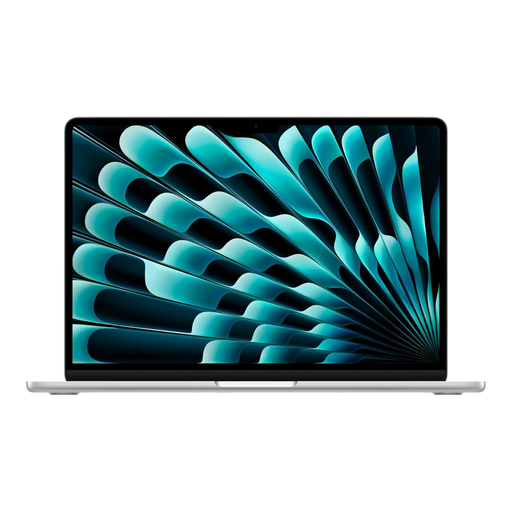
Apple 13-inch MacBook Air (2026), M5, 16 GB, 512 GB SSD, Silver
The 13-inch format is a compact choice when leaving room for paper scores takes priority over built-in screen area.
M5 chip with 10-core CPU and 8-core GPU; 16 GB memory; 512 GB SSD. MuseScore documents macOS availability, but check the current requirements of your particular application, plug-ins and peripherals.
Joybuy
Frequently asked questions
Do I need a gaming laptop to create music worksheets?
A gaming laptop is not a requirement for basic notation editing. Avid lists low minimum requirements for Sibelius software itself, but recommends 36 GB of SSD-preferred storage for the optional Sibelius Sounds library. Base your choice on the application, sound libraries, other instruments and multitasking you will actually use.
Should I choose a 13–14-inch or a 15-inch laptop for a shared desk?
Choose a 13–14-inch format to assess first if space for paper music or another user is the priority; consider 15 inches if the built-in screen will be your main worksheet-layout workspace. If you plan to use a monitor with a compact laptop, check the exact model’s display support and required connections.
Can I use MuseScore on either Windows or macOS?
Yes. MuseScore documents availability for Windows and macOS. Check the current version’s requirements and the compatibility of any plug-ins or music peripherals you intend to use before choosing an operating system.
Can I put my old laptop in general household waste?
No: Oxfordshire County Council advises that electrical equipment must not go in general waste. Back up what you need, erase personal data and check your local recycling arrangements or an appropriate retailer take-back option.


