Small-desk cue writers
You need room for the laptop alongside tools such as a compact MIDI controller, audio interface or notes, without making keyboard-led editing awkward.


Start with the laptop that supports your exact cue-writing software, plug-ins and audio interface, then choose a screen and footprint that work on your desk. A 13- or 14-inch model with 16GB of memory is a practical starting point, but storage and ports depend on your projects and connected devices. Consider macOS if your existing workflow supports Apple silicon; for a Windows-dependent workflow, check the processor and drivers before choosing between conventional Windows hardware and Windows on ARM.
You need room for the laptop alongside tools such as a compact MIDI controller, audio interface or notes, without making keyboard-led editing awkward.
You already rely on a particular DAW, plug-ins or audio interface and want your next laptop to work with those exact versions and drivers.
You write away from a fixed workstation but still need memory and storage for active projects, sound content and exports.
Check software and interface compatibility before comparing laptop sizes. Then plan the desk layout, memory, storage and connections around the devices and projects you actually use.
| Concern | What to check | Who this matters to |
|---|---|---|
| Software and interface compatibility | Check the exact DAW, plug-in, licence-software and interface-driver versions against the intended operating system and processor. Ableton says Live 12 on Windows requires AVX2 support. | If my established audio setup will not run, the laptop cannot do the work I need it for. Around 31% of consumers put preserving that workflow first. |
| Desk fit and editing space | Measure the space available with your other equipment in place; consider whether you will edit on the laptop display or use an external monitor. | I need room for cue-writing tools without making the timeline and keyboard uncomfortable to use. For around 31% of consumers, desk fit is the primary concern. |
| Memory and SSD capacity | Compare your active projects and sound libraries with the configuration on offer. Ableton lists 8GB RAM as a Live minimum and says optional sound content can use up to 76GB of disk space. | As my projects and local sound collection grow, I want capacity for the applications and files I keep open. Around 23% of consumers prioritise project capacity. |
| Ports and peripheral layout | Count devices used at the same time, including the audio interface, storage, controller and headphones; check where a hub or dock would sit. | I connect several devices and do not want adapters and cables taking over the desk. Connection flexibility comes first for around 15% of consumers. |
A supported main application does not establish that its third-party plug-ins, interface driver and control software will also work. Ableton advises checking those components before an operating-system upgrade.
List the exact versions you need and confirm support with each relevant vendor for macOS, conventional Windows or Windows on ARM.
Changing an established setup may also take time if a required component needs updating or replacing.
A minimum requirement is a starting point, not a measure of the memory and storage your combination of projects, applications and sound content will need.
Size the configuration around your current work, leaving SSD space for active files, exports and updates.
A small internal drive may mean managing libraries on external storage sooner.
A compact laptop can still make a small desk difficult to arrange if your interface, controller and storage cannot connect as planned.
Check the offered model's ports against every device used simultaneously, and allow space for cables and any necessary dock.
The 13-inch MacBook Air is worth considering when your cue-writing applications and peripherals support current macOS and Apple silicon.
The Zenbook S 14 UX5406 is a 14-inch Windows line to examine if you want to choose memory and SSD capacity at purchase.
The 13-inch Surface Laptop is relevant if built-in USB-A, USB-C and headphone connections suit your desk setup.
These compact-screen macOS and Intel-based Windows laptops offer different memory, storage and desk-layout options for cue writing. Check your software and connected devices against the exact model before choosing; the 14.2-inch MacBook Pro and dual-screen Zenbook also warrant a closer look at available desk space.
 No image available
Consider this compact macOS model if your cue-writing software, plug-ins and audio interface support its Apple-silicon setup.
The listed configuration has an M5 chip with a 10-core CPU and 10-core GPU, 16GB memory and a 1TB SSD. Check how your USB devices will connect on a small desk.
 No image available
This Windows 11 Home model is an option for a compact desk if its 2-in-1 layout suits your editing setup and your audio software supports the configuration.
The product name specifies 16GB RAM and a 1TB SSD. Confirm the offered unit's ports, particularly if your existing devices require USB-A.
 No image available
Consider this compact Intel-based model if your known projects call for the listed memory capacity and your audio workflow supports the configuration.
Its product name specifies a 13-inch FHD+ 60Hz touch display, Intel Core Ultra 7 155H processor, 32GB LPDDR5 RAM and a 1TB SSD. Check the exact port counts and headphone connection for your setup.
 No image available
The dual-screen arrangement may suit cue editing when extra on-device display space matters, provided both screens and the keyboard fit your desk layout.
The product name specifies an Intel Core Ultra 7 255H processor, 16GB LPDDR5X RAM and a 1TB SSD. Confirm the exact display resolution and your audio-software compatibility before choosing this variant.
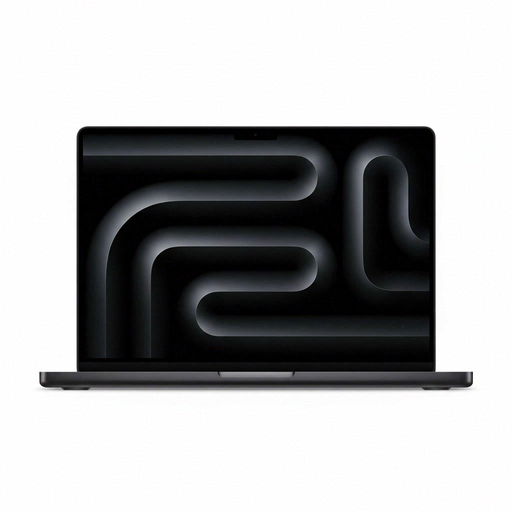 No image available
This model offers a larger screen and more listed storage for a compatible macOS cue-writing workflow; measure its fit if desk space is tight.
The product name specifies an M5 Pro with a 15-core CPU and 16-core GPU, 24GB memory and a 2TB SSD. Confirm compatibility with your audio tools and whether a suitable power adapter is included.
16GB is a practical starting point for a new compact laptop if you use a DAW alongside cue documents, a browser and audio assets. Ableton lists 8GB as the minimum for Live, but choose capacity for your own project and plug-in load; consider 32GB when that workload warrants it, especially if the memory cannot be upgraded.
Not necessarily for basic cue writing and headphone monitoring, but an interface may be useful when your work needs dedicated audio inputs or outputs. If you use one, check its driver and the intended laptop platform; Ableton recommends ASIO-compatible audio hardware on Windows and Core Audio-compliant hardware on macOS.
Confirm support for the exact laptop and your complete audio setup before buying one for Live 12. Ableton's published Windows minimum names a fifth-generation Intel Core i5 or AMD Ryzen processor because Live 12 requires AVX2; a general Windows label does not establish support for a Snapdragon configuration, its plug-ins or its interface drivers.