What matters when choosing?
Check required course software before comparing laptop specifications. Then decide whether the main device also needs to travel regularly, support pen-based work or connect to equipment for online teaching.
| Concern |
What to check |
Who this matters to |
| Course software and performance |
Confirm the required operating system and applications with your department, then check whether local installation, dedicated graphics or particular ports are needed. |
If my course uses specialist software, I need a computer that can run the required work rather than one chosen for its form factor alone; around 36% of consumers would put software compatibility first. |
| A portable primary device |
Check the course’s baseline specifications alongside the laptop’s size, weight, connections and battery information. The University of York cites 8GB RAM and a 256GB or larger SSD for taught-student PCs. |
Moving between lectures and study at home means I need one device for documents, course platforms and online sessions; around 29% of consumers would make portable everyday study their primary concern. |
| Digital notes and reading |
Check stylus and keyboard compatibility, plus whether assessments and required applications work on the tablet’s operating system. |
If I already have a suitable main computer, I may chiefly want a tablet for handwriting and annotation; around 14% of consumers would put that companion use first. |
| Online participation and connections |
Check the existing camera, microphone and ports before adding a headset, adapter or external storage; assess the connection used for live classes separately. |
For online tutorials or equipment connections, I need to know whether my current device already covers the task; around 21% of consumers would prioritise participation and accessories. |
Brands to consider for study devices
These product ranges provide starting points for comparison, not a substitute for checking the particular configuration against your course requirements.
Apple
MacBook Air is a macOS laptop option when required applications, learning platforms and peripherals support macOS and Apple silicon.
- Apple lists MacBook Air configurations with 16GB unified memory and 512GB SSD storage.
- UWE Bristol warns that some specialist applications may not be available on macOS; confirm support for the exact course workflow.
Lenovo
Lenovo’s Windows education range includes conventional laptops and convertibles for students considering either form factor.
- The range offers Windows laptop and convertible designs to compare.
- A convertible design does not establish that a particular model meets course software, input or peripheral requirements.
Dell
Dell’s student-laptop range is relevant to comparisons of conventional Windows laptops and some 2-in-1 configurations.
- Dell lists Windows laptop configurations for everyday study and more demanding use.
- Check the selected model’s memory, storage, graphics and ports against your department’s guidance.
Joybuy laptop options
These laptops are options for a primary study device, including conventional and convertible designs. Choose between them only after checking the applications and equipment required by your course.
 No image available
ASUS Vivobook 15 X1504VA, 15.6-inch, Cool Silver
A conventional laptop to consider for documents, course platforms and online sessions.
The listing specifies Windows 11 Home, an Intel Core 5 120U, 24 GB RAM, a 1 TB SSD, a webcam and microphone, HDMI and USB connections. Check course-software and peripheral compatibility; its stated standby time is not a study-use battery duration.
Joybuy
 No image available
HP OmniBook X Flip 16-as0004na, 16-inch touchscreen
Its convertible design suits someone who wants laptop typing and touch interaction in one device.
The listing specifies Windows 11 Home, an Intel Core Ultra 5 226V, 16 GB RAM, a 512 GB SSD and a 5 MP camera. Confirm course-application compatibility and whether a stylus is included if pen input matters to you.
Joybuy
 No image available
ASUS Vivobook 14 X1407QA-LY003W Copilot+ PC, Quiet Blue
A 14-inch laptop to consider when the device will travel between study locations.
The listing specifies Windows 11 Home, a Snapdragon X processor, 16 GB onboard memory, a 512 GB SSD and an FHD camera with privacy shutter. Check required applications specifically for compatibility with this Snapdragon-based device; the listed memory maximum is 16 GB.
Joybuy
 No image available
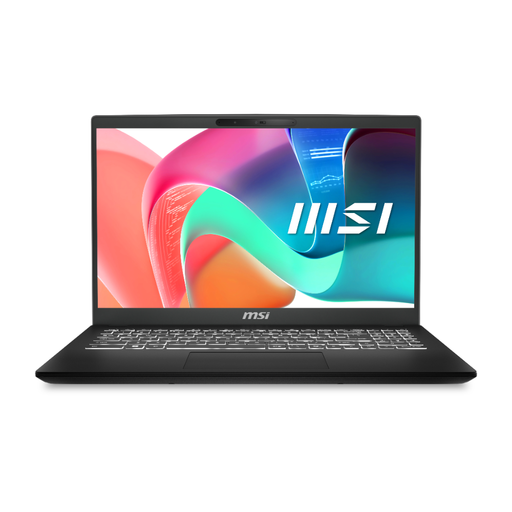
MSI Modern 15 C2RMG-282UK, 9S7-15H431-282
A conventional laptop to consider for everyday study where a wired network connection is useful.
The listing specifies an Intel Core 5 processor, 16 GB DDR4 RAM, a 512 GB SSD, a Full HD display, USB-C and Ethernet. Confirm the operating-system version, course-software compatibility and webcam details before relying on it for classes.
Joybuy
 No image available
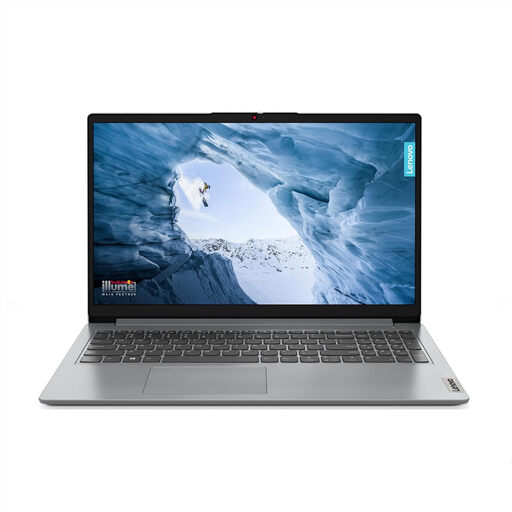
Lenovo IdeaPad 1, 15-inch, Ryzen 3 7320U, Cloud Grey
A laptop to assess for general study when its storage and application restrictions fit the course.
The listing specifies 8 GB RAM, a 128 GB SSD, Windows 11 Home in S Mode and a camera with privacy shutter. Its storage is below the University of York’s 256 GB taught-student baseline; check your file needs and whether required applications can be installed in S Mode.
Joybuy
Common questions
Can a tablet be my only university device?
Only if your department confirms it can handle every required application, assessment and peripheral task. Cardiff University recommends tablets as second devices rather than the only device, and UWE Bristol warns that many specialist applications cannot be installed on tablets.
Do I need a Windows laptop for university?
Not for every course, but Windows is the safer starting point when specialist software is required. UWE Bristol calls it the most compatible choice for most university and specialist software; check your own department’s list before choosing another operating system.
What specifications should I start with for general study?
Use your course guidance as the starting point. For taught students, the University of York cites an Intel i3 or AMD Ryzen 3 processor, 8GB RAM and a 256GB or larger SSD as a minimum PC specification; specialist courses may require more.
When do higher memory, storage or dedicated graphics matter?
They matter when the course’s actual applications and local workloads require them, rather than for every student. The University of Nottingham’s mechanical, materials and manufacturing engineering guidance specifies 16GB–32GB RAM and at least a 512GB SSD, and strongly recommends a dedicated GPU.
What should I check for online tutorials?
Check the device’s camera, microphone, audio output and required connections, as well as the internet connection you will use. Cardiff University lists these communications essentials in its blended healthcare teaching guidance; add accessories only where the existing setup does not meet your needs.


