Choose a laptop as your main device for sustained writing or course applications that require one, but check your department’s software and hardware requirements before choosing a model. A keyboard-equipped tablet can support reading, notes and lighter work if it meets your course needs. If your current device is suitable but online study keeps being interrupted, investigate the connection before replacing the device.
Who needs which setup?
Start with the work your course requires, then decide whether your main obstacle is the device, the connection or carrying study materials between locations.
Students with software-dependent courses
If your department names particular applications or hardware, check how you will run or access them before buying a device. The University of Kent and UWE Bristol both advise checking course requirements rather than relying on general device guidance.
Students dealing with unreliable connections
If you already have access to a suitable device, work out whether the difficulty is campus Wi-Fi, your home connection or mobile coverage. Jisc’s survey of UK higher-education students identifies Wi-Fi difficulties on and off campus; Ofcom provides location-specific predicted mobile-coverage information.
Students who mainly read and take notes on the move
A tablet and compatible keyboard may suit reading, annotation and lighter typing. Check the exact accessory model and any required course software before relying on that setup for all your work. Heriot-Watt University notes that requirements differ by discipline, while Samsung specifies keyboard compatibility by tablet model.
What matters when choosing?
For study across campus, accommodation and home, identify the issue that would most affect your purchase. A new computer will not fix a weak connection, and a mobile-data add-on will not make an incompatible device run required software.
| Concern |
What to check |
Who this matters to |
| Course software |
Ask your department which applications and operating systems are required, and whether campus PCs or remote access can be used. |
If my course requires named software, I need to know how I will use it before choosing a device; about 31% of consumers put course-software compatibility first. |
| Reliable connection |
Check the connection at each study location. For mobile data, compare providers’ predicted indoor and outdoor coverage using Ofcom’s checker. |
When a suitable device keeps losing its connection during online study, getting dependable access matters more than replacing it; roughly 25% of consumers make connectivity their primary concern. |
| Full-device coursework |
Check whether your current setup handles sustained typing, live sessions and the applications your course uses. |
For regular assignments and online seminars, I want one workable main device for the tasks I do repeatedly; about 25% of consumers prioritise that full-device workflow. |
| Portable study |
Match a keyboard to the exact tablet model and confirm that lighter work will not leave required course tasks inaccessible. |
If most of my study away from a desk is reading or annotating, carrying a lighter supplementary device matters to me; around 19% of consumers put portability and supplementary study first. |
Mistakes to avoid
-
Buying before checking course requirements
A device suited to ordinary documents and video calls may still be unsuitable for a department’s specialist applications. The University of Hertfordshire also notes that some university software licences do not cover students’ personal devices.
Request your current course requirements, including operating system, hardware and software access. Ask whether a PC lab, loan device or remote desktop is available before deciding what you need to own.
Otherwise, you may need access to a second compatible device.
-
Assuming a lighter device covers every course task
Heriot-Watt University cautions that Chromebooks may not run software required by some programmes. A tablet keyboard is also made for particular tablet models; it does not establish compatibility with desktop applications.
Check the course workflow first, then confirm the keyboard’s exact model compatibility if you choose a tablet.
Finding another way to access required software later can interrupt your study routine.
-
Choosing mobile data from a broad coverage claim
Ofcom distinguishes predicted indoor and outdoor coverage by location and provider. A signal shown for a wider area does not establish that it will work where you usually study.
Check your accommodation, campus and home locations before choosing a SIM, hotspot or tethering arrangement. Consider the connection needed for live sessions and downloads.
-
Overlooking the usable setup
Samsung identifies specific tablet models for its keyboard accessories, and the University of Hertfordshire advises checking software-licence access. The main device alone may not cover the intended workflow.
Confirm the exact keyboard or charging accessories you need, the available ports, warranty terms and access to required software for the model you choose.
Brands to consider for specific setups
Apple
MacBook Air is a laptop option when your course confirms that its required applications can be used with macOS.
- Apple lists 16GB unified memory in a current MacBook Air configuration.
- A memory specification does not confirm that your course applications or licences will work on macOS; check both with your department.
Lenovo
Lenovo’s ThinkPad education range includes Windows laptop and Chromebook options, according to Lenovo. Check the operating system on the particular model rather than treating the range as one configuration.
- The range offers different device types to assess against a course’s requirements.
- A ThinkPad name alone does not establish the processor, memory, ports or suitability for specialist software.
Samsung
Galaxy Tab models are relevant to a tablet-and-keyboard setup for reading, notes and lighter document work.
- Samsung names the Galaxy Tab models compatible with particular Book Cover Keyboard accessories.
- Some keyboards are sold separately, and a compatible keyboard does not establish that the tablet can run course-specific desktop software.
Laptops for a main study device
These Joybuy laptops are options to examine if you need a main device for coursework and online teaching. Check your department’s requirements against the exact configuration before choosing; a laptop purchase does not address a separate connection problem.
 No image available
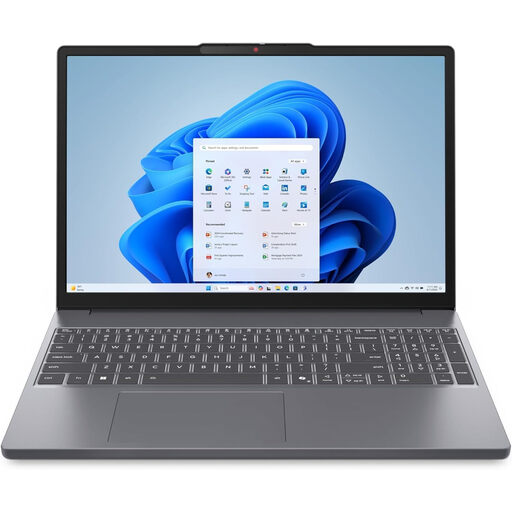
Lenovo IdeaPad Slim 3 83K7009MUK, 15.3-inch
Consider this full laptop setup for regular written coursework if Windows 11 Home meets your course requirements. Its listed configuration has a Ryzen 5 7535HS processor, 24GB DDR5 RAM, a 512GB PCIe SSD, a WUXGA display and Wi-Fi 6. Confirm required applications and licences with your department.
View on Joybuy
 No image available
ASUS Vivobook 15 X1504VA, 15.6-inch
This laptop is worth examining for sustained typing and storing coursework files. Its name specifies an Intel Core 5 120U processor, 24GB memory and a 1TB SSD. Check the supplied operating system and your course’s application requirements before ordering.
View on Joybuy
 No image available
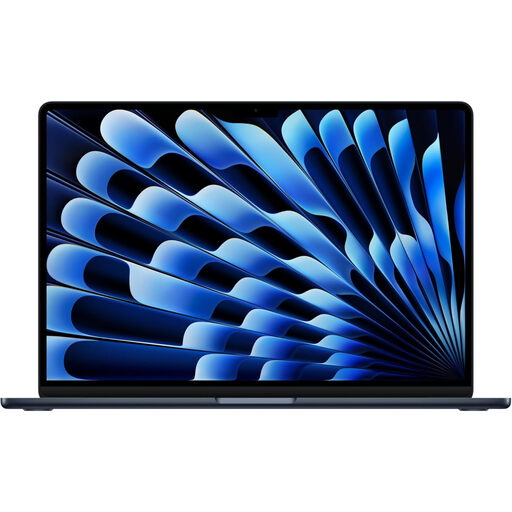
Apple 13-inch MacBook Air (2026), M5, 24GB, 1TB
Consider this MacBook Air as a main laptop only after confirming that your course applications and licences work with macOS. The listed variant has an M5 chip with a 10-core CPU and 10-core GPU, 24GB memory and a 1TB SSD. Those specifications do not establish compatibility with a particular degree.
View on Joybuy
 No image available
ASUS Vivobook 14 X1407QA-LY003W, Snapdragon X
This 14-inch laptop is an option to check for coursework across different study locations. The listed configuration has a Snapdragon X processor, 16GB RAM and a 512GB SSD. Confirm that your course’s named applications and peripherals work with this processor configuration before buying.
View on Joybuy
 No image available
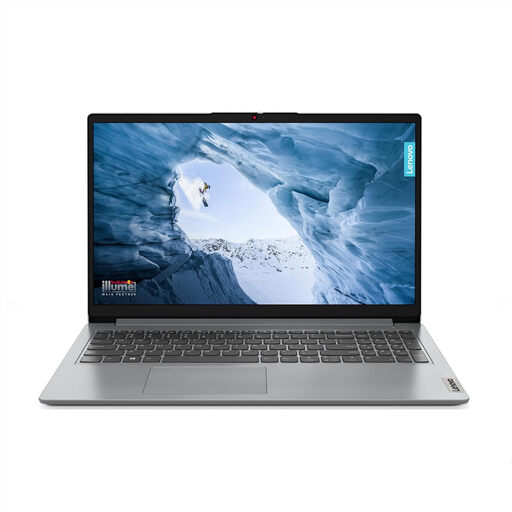
Lenovo IdeaPad 1, 15-inch, 8GB, 128GB SSD
Check this full-size laptop against everyday coursework needs rather than assuming it will run specialist applications. Its name specifies a Full HD display, 8GB RAM and a 128GB SSD. Confirm the actual processor and whether the supplied Windows configuration is in S Mode, as the supplied product information conflicts on these points; then check course compatibility.
View on Joybuy
Questions students ask
Can a tablet replace my laptop at university?
A tablet may cover reading, notes and lighter work, especially with a keyboard compatible with the exact model. Do not rely on it as your only device until your department confirms how you can use every required application; UWE Bristol and Heriot-Watt University both advise checking course-specific requirements.
Would a mobile hotspot help more than a new laptop?
If your current laptop meets your course requirements but connectivity is interrupting study, investigate the connection first. Ofcom’s checker shows predicted indoor and outdoor mobile coverage by provider and location; check where you actually study before choosing a hotspot or data SIM.
What should I check before ordering a study device?
Confirm the exact model and configuration against your course requirements, then check the seller’s warranty and return information and keep your order confirmation. Inspect the device when it arrives so you can identify any damage or mismatch with the description promptly.


