For a travel journal that includes regular photo edits, start with a compact laptop with at least 16GB of memory, then choose storage to suit the files you keep locally. A 13-inch MacBook Air suits a macOS workflow; a Windows laptop may make more sense if your required software, touchscreen or existing USB-A accessories determine the choice. Check the exact configuration and software requirements before buying, and treat manufacturers’ battery figures as test results rather than editing-session promises.
Who is this for?
Journal writers who travel light
If you mainly write, organise notes and upload selected photos, consider how the laptop and its charger fit into the bag you carry between cafés. Keyboard comfort and time away from a socket may matter more to you than a larger screen.
Travel photographers editing alongside writing
If photographs are a regular part of your journal, check the exact laptop’s memory, SSD capacity and display specification against the files and editing application you use.
Windows-dependent café workers
If your journal workflow needs a Windows application or an existing USB-A accessory, check those requirements before choosing a compact laptop on size alone.
What matters when choosing?
Decide which compromise would change your choice most: carrying the laptop, editing photos, keeping your existing workflow or storing files locally.
| Concern | What to check | Who this matters to |
|---|
| Carrying and unplugged use |
Check the configured laptop’s weight, charger and battery-test conditions. An “up to” web-use figure is not a photo-editing runtime. |
If I carry my journal between cafés and cannot rely on a socket, bag weight and usable unplugged time could decide the purchase; around 36% of consumers would put this need first. |
| Photo-editing display and memory |
Check memory and the exact display’s colour specification, brightness and finish against your editing work. |
When photos are central to my journal, I need a screen and configuration suited to reviewing them, even if a smaller laptop is easier to carry; roughly 29% of consumers would prioritise photo editing. |
| Software and accessory fit |
Check your editor’s current system requirements and the ports needed for your card reader, drive or display. |
If a required application or existing peripheral shapes my workflow, I cannot choose by screen size alone; around 21% of consumers would make compatibility their primary concern. |
| Local storage and connections |
Estimate the photo files you will keep on the SSD and check how you will connect storage or a card reader. |
Keeping journal photos available locally matters to me when I work away from my usual setup; approximately 14% of consumers would put storage and connections first. |
What should you avoid overlooking?
-
Treating battery maximums as editing time
Apple’s quoted MacBook Air figure is for wireless web use, while Microsoft publishes different maximums for different Surface Laptop sizes. Photo editing and a bright screen need not match those test conditions.
Read the stated test conditions and plan how you would charge the laptop if a full café day away from a socket is essential.
-
Choosing a colour-specified screen without checking reflections
Lenovo specifies the cited Yoga Slim 7i Aura Edition Gen 10 OLED configuration as glossy. Colour coverage alone does not tell you how comfortable it will be beside a bright window.
Assess glare and your likely seating position alongside the display’s colour and brightness specifications.
-
Forgetting connections and charging hardware
Apple lists two Thunderbolt 4/USB-C ports for the MacBook Air. Its cited UK 16GB/512GB purchase configuration states that a power adapter is not included; check what comes with the exact configuration you choose.
List your charger, camera card reader, drives and USB-A devices before checkout so you can identify any required adapter or hub.
A separate hub or card reader also adds another item to pack.
-
Assuming every variant has the same specification
Surface Laptop sizes and editions differ, and memory, storage and display details can depend on the configuration within a product family.
Check the exact model identifier, memory, SSD and display on the listing you intend to buy.
Relevant brands to consider
Apple
The 13-inch MacBook Air is a macOS route for compact journal writing and photo work.
- Apple specifies a 13.6-inch, 500-nit P3 display for the current UK M5 model.
- Check macOS application compatibility and whether two Thunderbolt 4/USB-C ports accommodate your accessories.
Microsoft
Surface Laptop offers a compact Windows route with a 3:2 touchscreen; Microsoft lists USB-A on the current 13-inch model.
- The touchscreen and USB-A connection may suit document work alongside existing accessories.
- Display, weight, ports and other specifications vary by size and edition; check the exact configuration.
Lenovo
The cited 14-inch Yoga Slim 7i Aura Edition Gen 10 configuration is a Windows option for journal writers who prioritise a colour-specified display.
- Lenovo specifies 16GB memory, a 512GB SSD, 100% DCI-P3 OLED and a 1.19kg weight for that configuration.
- Its glossy, non-touch screen makes reflections worth assessing if you often sit near café windows.
Joybuy product choices
These laptops offer different ways to balance café writing and local photo files: compact 13- and 14-inch models sit alongside larger-screen options. Compare the exact configuration with your editor, accessories and carrying routine rather than treating screen size alone as a verdict.
 No image available
HP OmniBook Ultra Flip 14-fh0006na, 16GB/1TB
Consider this 2-in-1 Windows laptop if you want one device for journal writing and local photo files. Its named configuration has 16GB RAM, a 1TB SSD and Windows 11 Home. Check the exact graphics configuration if it matters to your editor, as well as software compatibility and unplugged runtime.
View on Joybuy
 No image available
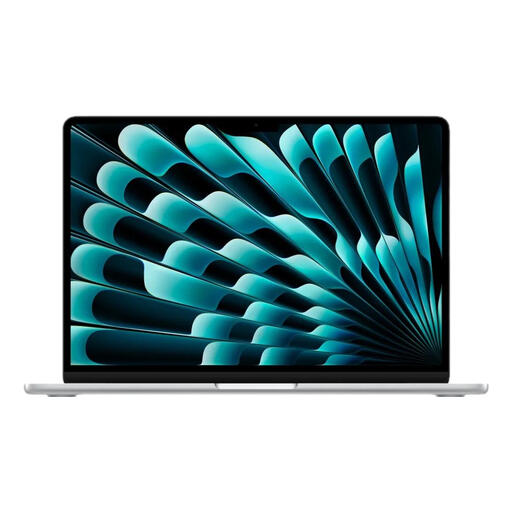
Apple 13-inch MacBook Air M5, 16GB/1TB, Silver
Consider this model if you want a compact macOS laptop for writing and keeping photo files locally. The named variant has an M5 chip with a 10-core CPU and 10-core GPU, 16GB memory and a 1TB SSD. Apple specifies a 13.6-inch P3 display for the M5 MacBook Air; check your editor, peripherals and charging arrangements for this exact variant.
View on Joybuy
 No image available
Lenovo IdeaPad Slim 3 83K7009MUK, 15.3-inch, 24GB/512GB
Consider the larger screen if you prefer more room for journal work and accept a bigger laptop to carry. This Windows 11 Home variant names a WUXGA display, AMD Ryzen 5 7535HS processor, 24GB DDR5 RAM and 512GB PCIe SSD. Check its display colour specification and unplugged runtime if photo work or long café sessions will decide your choice.
View on Joybuy
 No image available
ASUS Vivobook 14 X1407QA-LY003W, 16GB/512GB
Consider this 14-inch option for café writing if its Windows software and accessory fit work for you. The named variant has a Snapdragon X processor, 16GB RAM and a 512GB SSD. Check your intended editor and plug-ins against the exact processor configuration, and assess the display for your photo work.
View on Joybuy
 No image available
Lenovo LOQ Essential 15ARP11, 16GB/1TB, RTX 5050
Consider this larger Windows laptop if local photo storage and screen space matter more to you than a compact café setup. Its named configuration includes an AMD Ryzen 7 170 processor, 16GB RAM, a 1TB SSD, GeForce RTX 5050 graphics and a 15.6-inch 144Hz FHD display. Check its carrying weight, editing-software requirements and unplugged runtime before choosing it for frequent travel.
View on Joybuy
Common questions
Is a 13-inch laptop large enough for a café travel journal?
A 13-inch class laptop can suit mainly writing, browsing and selective photo edits. If you often keep a document, photo library and browser visible together, compare it with a 14-inch or larger screen before accepting the extra bulk.
How much memory and storage should I compare for a journal with photos?
A 16GB memory and 512GB SSD configuration is a useful starting point for comparing laptops when you regularly multitask or keep photos locally, not a universal requirement. Estimate the files you plan to retain and check your exact editor’s system requirements.
Will Lightroom work on any of these laptops?
Do not assume that it will. Adobe publishes separate system requirements for Lightroom and Lightroom Classic, so check the version you intend to use against the laptop’s operating system, processor, memory and any plug-ins before buying.


