Start with your department’s software and assessment requirements, and keep using an existing device if it meets them. A laptop is the more dependable primary option when coursework relies on locally installed desktop applications or particular hardware connections; a keyboard-equipped tablet can suit reading, notes and browser-based work if your course confirms that the apps, submissions and assessments work on it. Loans, computer rooms and virtual desktops can reduce the need to buy, but availability, connectivity and supported tasks vary by institution (UWE Bristol, the University of Nottingham, the University of Warwick, the University of Cambridge and Keele University).
Who is choosing a study device?
Students using specialist software
Check whether your course’s applications, operating system and connected equipment work on your device or an approved university alternative. UWE Bristol and the University of Nottingham provide course-specific guidance on these requirements.
Students doing everyday coursework
If your main tasks are writing, research, collaboration and learning platforms, check that your current device handles them before replacing it. The University of Warwick and the University of Hertfordshire publish guidance for student devices and coursework.
Students weighing access costs
Compare buying or keeping a device with the loans, campus facilities and other support available to you. Jisc reports device-access difficulties among surveyed students, while Keele University describes laptop loans whose availability depends on circumstances and supply.
What should you check before choosing?
Course requirements differ, so check your department’s software and assessment guidance before choosing a device or relying on university access.
Laptop
Consider when: your course requires locally installed applications, particular hardware connections or a laptop for digital assessments.
Trade-off: match the operating system and specification to your department’s guidance; a higher specification can add weight and charging needs as well as cost.
Tablet with keyboard
Consider when: your department confirms that the required apps, file submissions and assessments work on the tablet.
Trade-off: a keyboard does not make tablet software equivalent to desktop software; UWE Bristol and the University of Cambridge warn that tablets may not suit every course or assessment.
University-provided access
Consider when: an existing device works for most tasks and you need specialist software or equipment only for some work.
Trade-off: check eligibility, availability and coverage. The University of Nottingham notes that its virtual desktop needs a stable connection and does not suit all hardware-based activities; Keele University says longer-term loans are limited.
| Concern |
What to check when buying |
Who this matters to |
| Course software and assessments |
Ask for required application names, supported operating systems and processors, peripheral connections and assessment-device rules. |
If my course depends on a named application or connected equipment, I need to know the device will work before choosing. Consumers who put course-software compatibility first make up around 29%. |
| Everyday coursework |
Check your existing device with course platforms, and assess its keyboard, screen, webcam, microphone, Wi-Fi and battery for your study routine. |
When I move between study spaces and rely on writing, online learning and collaboration, I need a setup that works for those regular tasks. Consumers prioritising dependable everyday work make up around 24%. |
| Cost of dependable access |
Check loan eligibility and duration, computer-room access, software licences and whether your current device can connect to approved remote services. |
If buying now would be difficult, I want to know whether my current device or university provision will cover the work and deadlines. Consumers focused on affordable access make up around 18%. |
| Tablet workflow and notes |
Confirm app availability, submission formats, exact keyboard compatibility and assessment rules before relying on a tablet as your only device. |
For reading, handwritten notes and typing on one device, I need the course to support that tablet workflow. Consumers who prioritise this approach make up around 18%. |
| Accessible use and file continuity |
Discuss assistive-technology compatibility and applicable support with the relevant service; check storage rules and keep another copy of important work. |
If I need particular input or assistive technology, or must protect access to coursework, I need a setup and storage plan that fits those needs. Consumers prioritising accessibility or continuity make up around 11%. |
Buying pitfalls to avoid
-
Assuming a keyboard makes any tablet course-compatible
A keyboard can make typing easier, but it does not ensure that required applications, file submissions or assessments will work on a tablet.
Confirm the apps, submission formats and assessment rules with your department, and check that the exact keyboard fits the tablet.
-
Buying to a generic specification before checking your course
Requirements can differ between general coursework and specialist study, so a device that suits one workload may not suit another.
Use your department’s current software and device guidance before deciding on an operating system or specification.
-
Assuming a loan or virtual desktop will always be available
Loan availability can be limited, and virtual access may depend on a stable connection or may not support hardware-based work.
Before relying on these services for deadlines, confirm eligibility, duration, booking arrangements and which tasks they support.
-
Treating extra storage as a complete backup plan
A single local or removable copy can still be lost or become unusable.
Follow your institution’s file rules, keep another copy and check that important files have saved. The University of Hertfordshire recommends keeping work in at least two places.
Relevant brands to consider
Lenovo
Lenovo describes IdeaPad Slim laptops and IdeaPad 2-in-1 devices for different mobility and input preferences.
- The ranges include conventional and convertible forms.
- Check the exact configuration against your course’s software, port and assessment requirements.
Apple
Apple offers macOS laptops and iPadOS tablets, so operating system and device type are important parts of the course-fit check.
- A keyboard-equipped iPad may suit a course that permits its apps and workflow; the University of Warwick’s central guidance allows this subject to departmental requirements.
- The University of Nottingham identifies restrictions for some non-Windows systems in its electrical engineering guidance.
Microsoft
Surface Pro devices offer a tablet-form option with compatible detachable keyboards.
- Microsoft documents keyboard compatibility for particular Surface generations.
- Keyboard compatibility does not establish whether a particular device supports your course’s specialist software.
Dell
Dell’s UK student-laptop range includes conventional Windows laptops.
- The range gives buyers configurations to assess for a laptop workflow.
- Configurations and support selections vary, so check the exact device against your department’s requirements.
Laptop options for coursework
These Joybuy product choices are laptops for students considering a personal device for coursework. Check each model’s operating system and specifications against your department’s software and assessment requirements.
 No image available
ASUS Vivobook 14 X1407QA-LY003W Copilot+ PC, Snapdragon X, 16GB RAM, 512GB SSD, Quiet Blue
A laptop option for coursework where its exact software and assessment requirements are met.
Snapdragon X; 16GB RAM; 512GB SSD.
Joybuy
 No image available
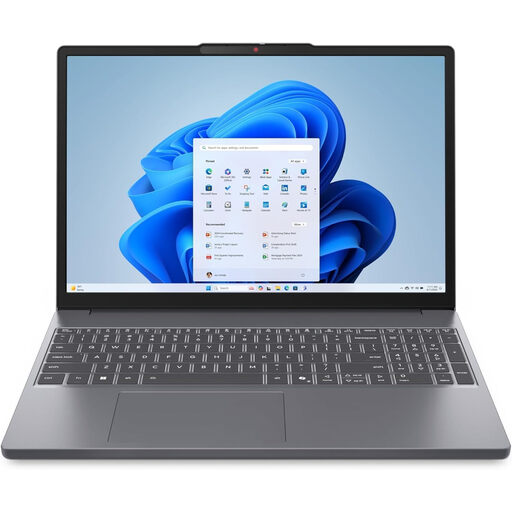
Lenovo IdeaPad Slim 3 15.3-inch WUXGA, Ryzen 5 7535HS, 24GB RAM, 512GB SSD, Windows 11 Home (83K7009MUK)
A Windows laptop option for students whose course requirements fit this configuration.
15.3-inch WUXGA; AMD Ryzen 5 7535HS; 24GB DDR5 RAM; 512GB PCIe SSD; Wi-Fi 6.
Joybuy
 No image available
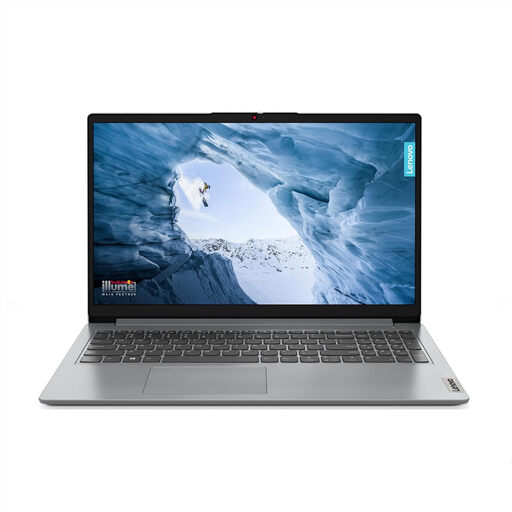
Lenovo IdeaPad 1 15-inch Full HD, Ryzen 3 7320U, 8GB RAM, 128GB SSD, Windows 11 Home in S Mode
A laptop option for everyday coursework when its operating system and specification meet your course needs.
15-inch Full HD; AMD Ryzen 3 7320U; 8GB RAM; 128GB SSD; Windows 11 Home in S Mode.
Joybuy
 No image available
ASUS Vivobook 15 X1504VA, Intel Core 5 120U, 24GB RAM, 1TB SSD, Cool Silver
A laptop option for coursework where the course’s applications and connected equipment suit this model.
15.6-inch; Intel Core 5 120U; 24GB RAM; 1TB SSD.
Joybuy
 No image available
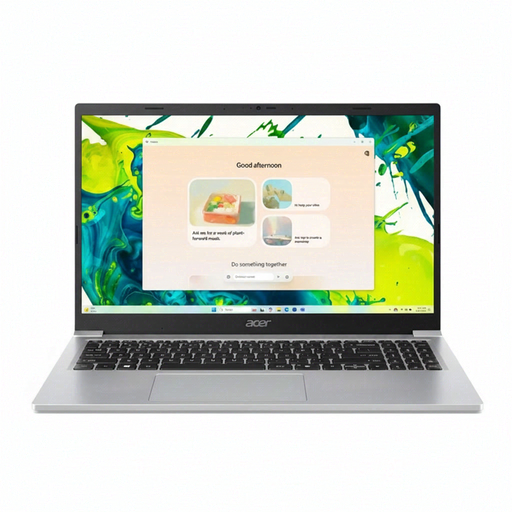
Acer Aspire Lite AL15-36P-C29Z 15.6-inch Full HD, Intel N150, 8GB RAM, 128GB SSD, Windows 11 Home
A Windows laptop option for everyday study if it meets the software and assessment requirements of your course.
15.6-inch Full HD; Intel N150; 8GB DDR4 RAM; 128GB SSD.
Joybuy
Coursework device FAQs
Does my university require Windows, or is a Mac suitable?
It depends on your course: the University of Warwick’s central guidance allows Windows or Mac unless a department specifies otherwise. The University of Nottingham’s electrical engineering guidance recommends Windows 11 on Intel or AMD hardware for its particular software and connected equipment, so check your department’s requirements before buying.
Can I submit assignments or take digital exams using only a tablet and keyboard?
Only if your course confirms that the required applications, submission workflow and assessments work on the tablet. The University of Warwick allows an iPad with a keyboard under its central guidance, while the University of Cambridge warns that tablets may not suit all assessments.
Must I pay for specialist software or a laptop myself?
Not necessarily; ask your institution what its current software licences and support cover. The University of Nottingham’s engineering guidance describes student software, computer rooms, virtual access and loans, but their availability and suitability depend on the work and access conditions.
If I need disability-related equipment, should I buy it before applying for support?
If you may be eligible for England’s Disabled Students’ Allowance, GOV.UK says not to buy equipment before your needs assessment because it will not be reimbursed. Eligibility is assessed individually, and this England scheme should not be assumed to apply throughout the UK.
What legal return rights apply to a laptop bought online in the UK?
GOV.UK says distance-selling customers generally have 14 days after receiving an item to tell the seller they want to cancel, followed by another 14 days to return it. Exceptions may apply, and separate rights apply to faulty or misdescribed goods, so check the applicable rules and the seller’s return instructions.


