For routine one-person laptop meetings, start with a USB webcam that fits your laptop and meeting software, then choose framing that shows what you need without including too much of the room. A physical lens cover and stated light correction may matter more to your setup than a higher resolution; in a noisy shared room, consider a separate headset or microphone rather than relying on the webcam microphone.
Who needs which setup?
Remote workers replacing a poor laptop camera
If your laptop camera is inadequate for one-person Teams, Zoom or Google Meet calls, check the external webcam’s operating-system support, USB connector and mount first. A stated 1080p resolution and a physical lens cover may also suit a straightforward desk setup.
Home workers in uneven light
If window light leaves your face in shadow, look for stated automatic light correction and consider where the camera will sit. Logitech describes light correction on several of its webcams, but the result in your room will depend on the lighting.
Callers in shared or noisy homes
If other voices are often audible during calls, consider a separate headset or microphone instead of choosing a webcam for its built-in microphone alone. Microsoft identifies noisy environments as a particular challenge for meeting audio.
What should you check before buying?
Check whether the webcam will work with your laptop and meeting app before comparing picture features; then match its framing, lighting and audio arrangement to the room.
| Priority | What to check | Your needs |
|---|
| Compatibility |
Match the webcam’s connector and stated operating-system support to your laptop. For Teams on Windows, Microsoft lists a USB 2.0 video camera; also check Windows camera access, desktop-app permissions and camera selection in Teams. |
I want a camera my older laptop can connect to and my meeting app can use. |
| Framing and mounting |
Compare the stated field of view with a solo call or wider desk demonstration. Check how the webcam attaches to your laptop, monitor or tripod, and whether changing the view requires compatible software. |
My calls should show my face without including more of the room than I intend; occasionally, I may need to show someone or something beside me. |
| Picture in your room |
Use 1080p as a starting point for comparison, as PCMag UK advises, rather than judging by resolution alone. Check the manufacturer’s light-correction features and plan where the light will fall during calls. |
In a dim or backlit room, I need my face to remain visible without assuming that a higher resolution will fix the lighting. |
| Privacy |
Check whether the exact model has a physical shutter or cover if you want to block the lens between calls. Review camera permissions separately; a cover does not change app access settings. |
I’d like a visible way to cover the camera when a call ends. |
| Call audio |
Check whether the webcam has a microphone, then decide whether its position suits your room. In a noisy shared space, compare a separate headset or microphone; Microsoft identifies noise as a challenge for Teams devices. |
A built-in microphone would keep a quiet desk simple, but nearby voices make a separate audio setup worth considering. |
Common buying mistakes
-
Choosing on resolution alone
A resolution figure does not tell you whether the camera will frame your desk well, cope with your lighting or provide suitable call audio. PCMag UK describes 1080p as a useful starting point for webcam shopping.
Compare the mount, field of view, stated light correction and microphone arrangement before deciding whether you need a higher resolution.
-
Assuming a built-in microphone suits a busy room
A webcam microphone keeps the setup simple, but room noise can still interfere with a call. Microsoft identifies open offices and other noisy spaces as challenging for meeting audio.
For frequent calls near other people, consider a headset or separate microphone; for a quiet desk, decide whether the webcam microphone is sufficient.
-
Overlooking an older laptop’s connection and settings
The intended camera may be unusable in a call if its connector does not fit, the operating system is unsuitable or the meeting app cannot access it. Microsoft’s Windows guidance includes camera permissions for desktop apps such as Teams.
Check the available USB port and stated system requirements before ordering. Once connected, check Windows camera access and select the device in the meeting app.
-
Expecting adjustable framing without the required software
An advertised choice of viewing angles may depend on an app rather than a control on the camera. AnkerWork states that the PowerConf C200’s 65°, 78° and 95° options are selected through its software.
If you plan to switch between solo calls and wider views, confirm that the configuration software works on your laptop.
Brand and model references
These manufacturer examples illustrate features to compare; a feature on one model should not be assumed to apply across its brand.
Logitech
Logitech’s UK webcam range includes models aimed at routine video meetings, with different stated framing, lighting and microphone features.
- Logitech lists 1080p, auto-light balance, a built-in microphone and a privacy shutter for the Brio 100.
- Its C920s specification lists 1080p at 30fps, a 78° view and dual microphones.
- Check the exact model for the connector, mounting arrangement and any feature that depends on software.
AnkerWork
The PowerConf C200 is a reference point for buyers who want to change how much of the desk or room appears in a call.
- AnkerWork lists 65°, 78° and 95° field-of-view settings for the PowerConf C200.
- Those settings use AnkerWork software, so check its compatibility with your laptop.
Elgato
Facecam MK.2 is a more specialised desk-camera reference where connection and framing requirements deserve a close look.
- Elgato specifies an 84° field of view and a USB-C connection for Facecam MK.2.
- Check your laptop’s USB connection and plan a separate audio arrangement if you require one.
Razer
Kiyo Pro is a lighting-focused alternative to compare with simpler meeting webcams.
- Razer describes Kiyo Pro as an FHD USB webcam with an adaptive-light sensor.
- Consider whether its mounting, privacy provision and microphone arrangement suit ordinary desk calls; the brand’s lighting description is not a guarantee for your room.
Joybuy webcam options
These external webcams are options for laptop or desk video calls with a webcam microphone. If your room is noisy, consider a separate headset or microphone alongside the camera.
 No image available
Targus 2K Webcam with Auto Focus
Consider this for a laptop or monitor desk setup where autofocus matters. The 2K title conflicts with a 1080p figure in the product details, so confirm the actual video resolution before choosing it; also check that its connector fits your laptop.
View on Joybuy
 No image available
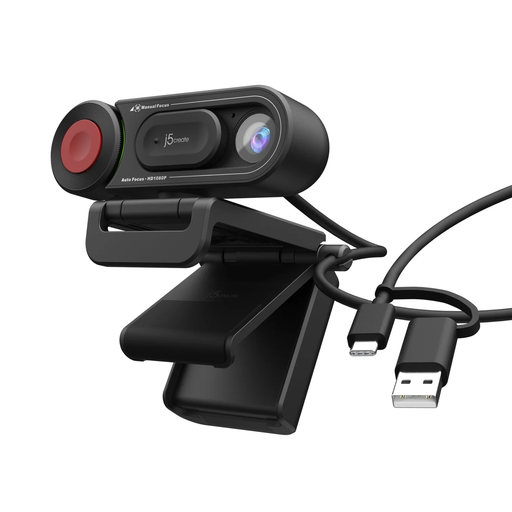
j5create JVU250 HD Webcam with Auto & Manual Focus Switch, Black
The auto and manual focus switch may matter if you sometimes point the camera at an object during a call. Its stated 720p video resolution is below the 1080p starting point discussed above; check whether its picture, connector and mounting suit your laptop setup.
View on Joybuy
 No image available
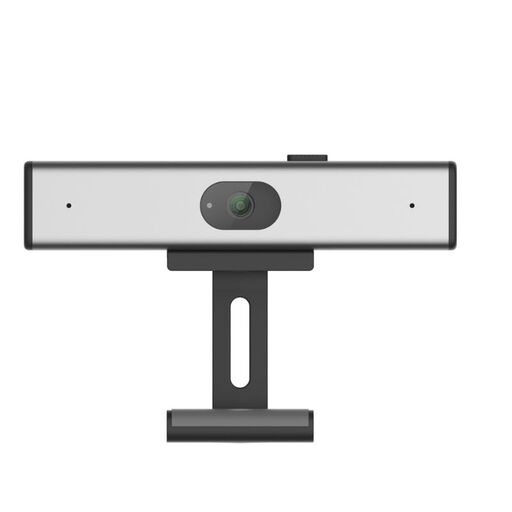
Philips SPL6308S/00 2K QHD PC Webcam, EU Version, Silver
This clip-on webcam is a consideration if you want the stated 2K QHD resolution and a built-in noise-reduction microphone. Before choosing it for an older laptop, confirm the USB connector, operating-system and meeting-app compatibility; the microphone description does not establish how it will handle your room’s noise.
View on Joybuy
Webcam questions
Will a USB webcam work with Teams on an older Windows laptop?
It can if the webcam’s connector and system support suit the laptop and Teams can access the camera. Microsoft lists a USB 2.0 video camera in its Teams requirements; check Windows camera and desktop-app permissions, then select the webcam in Teams.
What field of view suits a one-person meeting?
Choose a view that keeps you in frame without showing more of the room than you want. Logitech lists a fixed 78° view for the C920s; if you also need wider desk views, AnkerWork lists software-selectable 65°, 78° and 95° settings for the PowerConf C200, subject to using its software.
When should I use a headset instead of a webcam microphone?
Consider a headset or separate microphone when other people or recurring household noise interfere with calls. A built-in webcam microphone simplifies a quiet desk setup, while Microsoft identifies noisy environments as a particular challenge for meeting audio.
Is a physical privacy shutter useful?
Yes, if you want a visible way to block the lens between calls. Logitech lists shutters on the Brio 100 and C920s, and AnkerWork lists a cover on the PowerConf C200; you should still review the camera permissions used by your meeting apps.


