Home-office gallery builders
You want to sort, tag, edit and present a personal or family photo collection at a desk. Think about space for the catalogue and originals, any external display, and a separate backup.


For a gallery that involves organising and editing photos, compare laptops with at least 16GB of memory and SSD storage, then choose a configuration that fits your software, display and desk setup. A MacBook Air suits a compact macOS workspace; a Windows creator laptop is worth considering when a larger colour-focused screen, more memory, dedicated graphics or camera-card connections matter to your workflow. Check the exact configuration and plan where both your photos and backups will live.
You want to sort, tag, edit and present a personal or family photo collection at a desk. Think about space for the catalogue and originals, any external display, and a separate backup.
You edit images for print, sharing or client review. Check the panel fitted to the exact laptop configuration, including its stated colour coverage, rather than choosing by resolution alone.
You work with larger collections or Windows creative applications and want to assess whether more memory, built-in storage or dedicated graphics would suit your particular software and projects.
Settle your software and photo-storage plan first. Then decide whether the laptop screen or an external monitor will be your main place for reviewing images, and check the connections your desk needs.
| Concern | What to check | Who this matters to |
|---|---|---|
| Image colour and presentation | Check the exact panel’s stated colour coverage and finish, and whether your intended external monitor is supported. | If I assess colour before printing or sharing images, I want to know what the screen can show, not just its resolution. Around 33% of consumers put image colour and presentation first. |
| Library capacity and editing | Compare fitted memory and SSD capacity with your software requirements, catalogue size and plan for storing originals. | As my collection grows, I need room for the active catalogue and photos while running my editing software. Library capacity and editing are the primary concern for roughly 25% of consumers. |
| Desk connectivity | Check the number and specifications of supported displays, plus connections for your external drive and camera media. | At my desk, I want to connect a monitor, photo storage and camera media without discovering that I need incompatible accessories. About 25% of consumers prioritise these connections. |
| Portability | Choose a screen size you can comfortably use both at the desk and away from it; account for any equipment you will leave at the desk. | I build the gallery at home but also want to carry the same laptop elsewhere, so its size matters alongside the desk setup. Portability comes first for around 17% of consumers. |
Memory and storage can differ between configurations of the same laptop family. Adobe’s Lightroom Classic guidance dated October 2024 listed 16GB or more as recommended memory and advised using a fast SSD; check the requirements for the version you intend to use.
Confirm the fitted memory and SSD of the exact model before buying, then consider whether your files and other open applications call for more capacity.
If the active collection outgrows internal storage, you may need an external drive and a more involved file-management routine.
A display claim may apply to a particular configuration rather than every model in a range. ASUS notes that ProArt P16 display specifications vary by model and configuration.
Check the exact panel’s resolution, stated gamut, brightness and finish. If colour decisions are critical to your work, consider how an external monitor and calibration workflow will fit your setup.
The photo files and the Lightroom Classic catalogue need separate attention: Adobe provides specific procedures for backing up the catalogue, which contains information about photo locations and edits.
Decide where originals, the active catalogue and separate backups will live before choosing internal SSD capacity.
A separate backup may require external storage or cloud storage.
Apple lists two Thunderbolt 4/USB-C ports for MacBook Air, while the cited ASUS ProArt P16 H7606WI-ME045W configuration lists other connections, including HDMI and SD Express. Neither arrangement tells you whether your particular devices will connect as intended.
List your monitors, drives, camera cards and power connections, then check the exact laptop and any proposed dock against them.
Your setup may call for a compatible dock, adapter, cable or card reader.
MacBook Air is a macOS option for a compact home-office gallery setup, with 13-inch and 15-inch models to consider.
The ProArt P16 range is a Windows creator-laptop option for buyers considering a built-in OLED screen and dedicated graphics.
Yoga Pro 9i is a Windows creator-oriented option for buyers considering a 16-inch OLED display and dedicated graphics.
These laptops offer different ways to build a home-office photo gallery: everyday Windows configurations, larger-screen or higher-capacity creator models, and a portable macOS option. Compare each exact model with your editing software, photo-storage plan and display connections.
 No image available
Consider this Windows model if a 1TB internal SSD and dedicated graphics fit your gallery and editing plans.
Its listed configuration has a 15.6-inch Full HD IPS display with stated 100% sRGB coverage and a 144Hz refresh rate.
Check whether 16GB memory meets your software needs, and confirm the panel and connections required for your monitor and camera media.
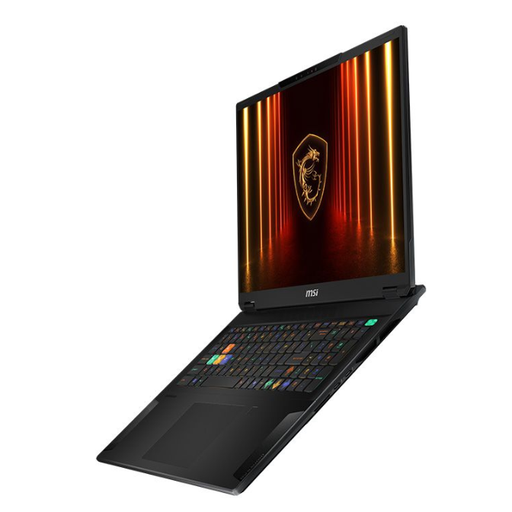 No image available
Consider this model for a desk-based gallery if you want a large built-in screen and substantial internal storage.
The listing specifies an 18-inch UHD+ Mini LED display with stated 100% DCI-P3 coverage, 32GB memory and a 2TB SSD.
Its stated weight is 2.89kg. Check brightness, calibration and connections against your colour-work and camera-media needs.
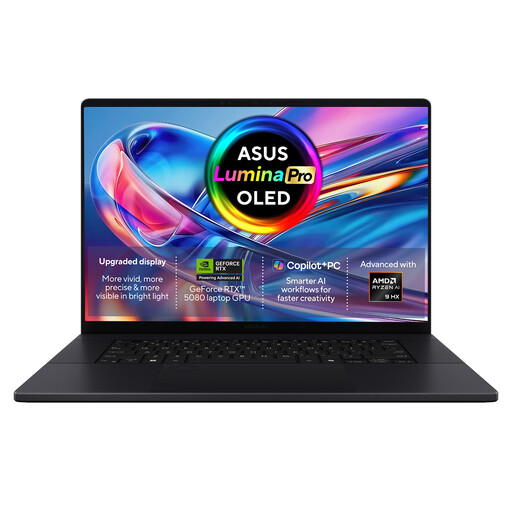 No image available
Consider this configuration if large active projects and importing photos from camera cards are central to your workflow.
It lists a 16-inch 3840 × 2400 OLED touchscreen, 64GB memory, a 2TB SSD and an SD card reader.
Confirm the reader supports your card format, the laptop supports your monitor arrangement, and the exact panel meets any colour-critical requirements.
 No image available
Consider this Windows configuration for organising a personal gallery at a desk and using the same laptop away from it.
It lists a 15.6-inch Full HD IPS display, integrated Intel graphics and a weight of 1.70kg.
Check the screen’s colour specifications if they matter to your editing, and confirm that your chosen software and accelerated features suit this configuration.
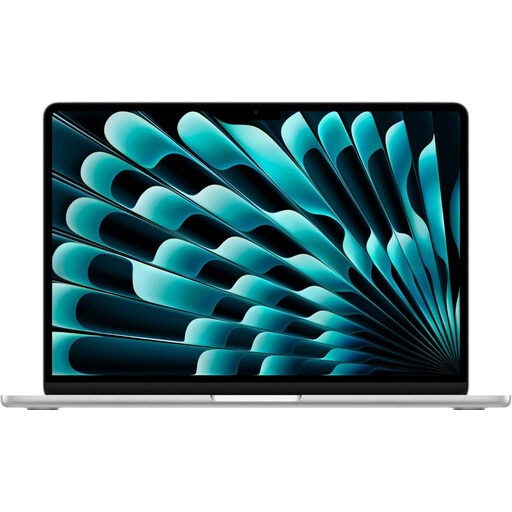 No image available
Consider this macOS model if you want a portable laptop with a larger built-in screen and space for an active photo collection.
The listed configuration has a 15-inch Liquid Retina display, 16GB unified memory and a 1TB SSD.
Check your photo software’s current requirements and confirm that your intended monitors, drives and camera media can connect as planned.
16GB is a sensible starting point for organising and editing photos, but it is not a guarantee for every workflow. Adobe’s Lightroom Classic guidance dated October 2024 recommended 16GB or more and a fast SSD; check the current requirements of your chosen software, particularly if you use large RAW files or accelerated features.
Apple’s M5 MacBook Air specification lists support for up to two external displays while the built-in display remains active. Check your monitors’ resolutions and connections, as well as the cables, adapters or dock you plan to use with its two Thunderbolt 4/USB-C ports.
Yes, plan a backup of the catalogue and a separate copy of the original images. Adobe provides Lightroom Classic catalogue-backup procedures; a catalogue backup alone does not replace a copy of your photo files.
Contact the seller and keep your order details and a description of the fault. GOV.UK states that consumer rights protect purchases of goods made remotely or in person; any retailer return policy or manufacturer warranty is separate from those statutory rights.