Bright-window note reviewers
If you read small IPA symbols, stress marks and annotations near a window, check the precise screen brightness and glare treatment. Screen position and blinds also matter when daylight reflects off the display.


Start with the exact display configuration: look for stated brightness and glare treatment, but do not expect either to eliminate reflections from a nearby window. A pen-enabled 2-in-1 makes more sense if you regularly mark up notes by hand; whichever format you choose, check that your pronunciation and audio applications work with its operating system.
If you read small IPA symbols, stress marks and annotations near a window, check the precise screen brightness and glare treatment. Screen position and blinds also matter when daylight reflects off the display.
If you often write corrections or phonetic symbols directly on digital notes, a convertible with a pen may fit your routine better than a conventional clamshell. Confirm the pen arrangement and display configuration before choosing.
If you move between study locations while using recordings, notes and occasional calls, check your required applications and audio connections as well as the screen. Operating-system compatibility matters more than the laptop’s format alone.
For window-side note review, settle the display and reflection question first. Then decide whether handwriting or a portable audio workflow changes the laptop you need.
| Concern | What to check | Who this matters to |
|---|---|---|
| Readable notes near a window | Check the exact panel’s brightness in nits and whether its finish is described as anti-glare or anti-reflective. Plan how to position the screen or use blinds. | When I read small pronunciation marks beside a window, reflections can make the text difficult to follow. Around 50% of consumers put glare and readability first. |
| Handwritten annotation | Check whether a pen is included, which positions the hinge supports and whether your note app accepts pen input. Check the panel separately for window-side use. | If I repeatedly add IPA corrections and stress marks to digital notes, writing directly on them is my deciding need. Around 30% of consumers put annotation first. |
| Notes, recordings and calls on the move | Check application and operating-system compatibility, audio connections and the conditions behind any stated battery-life figure. | Moving between study locations, I need my notes, pronunciation recordings and calls to fit the same workflow. Roughly 20% of consumers make that portable workflow their first concern. |
A stated 500-nit display can still reflect daylight, so a higher brightness figure alone cannot establish that small notes will be comfortable to read in your chosen position.
Check the exact panel’s brightness and finish, then assess the intended screen position. The Health and Safety Executive advises repositioning a screen or using blinds to avoid glare.
Dell lists different display options for the XPS 9315, including anti-glare non-touch and anti-reflective touch configurations. A model-family name does not identify the panel you will receive.
Match the retailer’s full configuration to the manufacturer’s display specification rather than relying on the product image.
A 360-degree hinge and pen serve handwriting and repositioning; neither feature establishes that the screen will handle reflections beside a window.
Choose pen input for regular annotation, and check the convertible’s exact display brightness and finish independently.
Apple’s MacBook Air figures distinguish wireless-web and video-streaming tests. Neither figure promises the same runtime during a study session at your chosen screen brightness.
Compare battery claims with their stated test conditions and consider access to charging if you expect long sessions at high brightness.
These product lines illustrate different configurations to check; a brand name alone does not establish how an individual laptop’s screen will look beside your window.
The 13-inch MacBook Air is a macOS option if your pronunciation, note and audio applications already work in that environment.
The XPS 9315 specification illustrates why Windows laptop buyers should identify the precise display option, rather than shop by model family.
The ThinkPad X1 Yoga Gen 8 illustrates a Windows convertible route for learners who regularly hand-annotate notes.
These laptops offer clamshell options for reading notes, including Windows models, alongside a MacBook Air for a macOS-based workflow. Compare their exact screens and required application support for your window-side setup.
 Image unavailable
Consider the 15.6-inch format if you want room to view pronunciation notes and the laptop will usually stay at your study position. The named configuration has 16GB RAM and a 1TB SSD; check how its screen handles reflections where you intend to use it.
 Image unavailable
The 14-inch format is worth considering if you review notes in more than one location. Its named configuration includes Snapdragon X, 16GB RAM and a 512GB SSD; confirm the display details and compatibility with your required applications.
 Image unavailable
For reading notes on a 15.6-inch screen, check whether the display remains legible in your particular window-side position. This Windows 11 Home configuration has 8GB DDR4 RAM and a 128GB SSD; check that the storage meets your needs.
 Image unavailable
Consider this 15-inch format for reviewing text-heavy notes, subject to checking the screen in your intended lighting. The named configuration has 8GB RAM, a 128GB SSD and Windows 11 Home in S Mode; check that your pronunciation and note-taking applications work with your intended software setup.
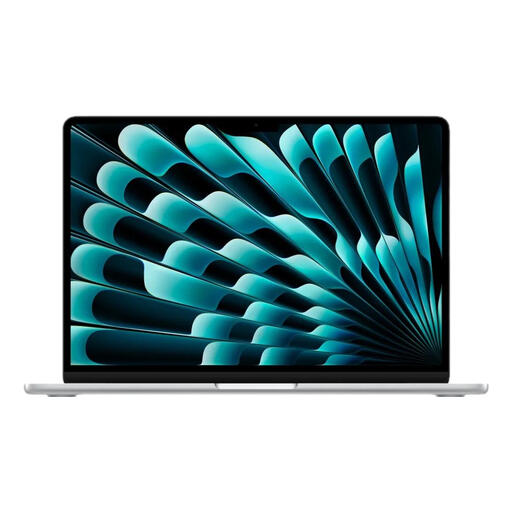 Image unavailable
Choose a macOS workflow only if the pronunciation, transcription and audio applications you need work with it. This named M5 configuration has 16GB memory and a 1TB SSD; Apple lists 500 nits for the 13-inch MacBook Air display, but you should confirm this variant’s full display and processor configuration before buying for window-side use.
Not necessarily: a stated 500-nit brightness does not remove reflections from the room. Check the panel’s finish and your screen position; the Health and Safety Executive advises repositioning the screen or using blinds to avoid glare.
A 2-in-1 is most relevant if you regularly write corrections or phonetic marks directly on your notes. Lenovo’s ThinkPad X1 Yoga Gen 8 illustrates a 360-degree hinge and rechargeable pen, but its format does not replace a check of the exact panel for window-side readability.
For a UK distance sale, GOV.UK says customers can tell the seller within 14 days of receiving the item that they want to cancel. Check the seller’s return process and distinguish a change-of-mind cancellation from remedies for a faulty or misdescribed laptop.
For workers who normally use display-screen equipment daily and continuously for an hour or more, the Health and Safety Executive says the employer must carry out a workstation assessment. That workplace duty is not a requirement imposed on every person buying a laptop for personal study.