Choose a laptop that supports your course’s operating system, processor architecture and required development tools before comparing configurations. A Windows laptop using Linux tooling, a native-Linux laptop and a MacBook running macOS can each suit command-line development, but they are not interchangeable when coursework depends on particular packages, scripts or binaries. Once the platform fits, check memory, storage, desk connections and what comes in the box.
Who this is for
Students with course-defined tools
If your module specifies an operating system, package manager, compiler or setup script, establish what it will run on before choosing a laptop. A familiar platform is less useful if the course instructions depend on tools it cannot run.
Students building and testing locally
If you expect to use an editor, terminal, browser documentation, repositories and local test services together, compare the memory and storage of the exact configuration you intend to buy, not just its laptop-family name.
Developers working at a small desk
If the same laptop must travel to class and connect to a monitor or other equipment in your room, check its ports, display connections and charger provision against the devices you already use.
What matters when choosing
Settle the software platform first: a laptop’s memory or storage will not resolve an unsupported course toolchain. The routes below differ in how they meet that starting requirement.
Windows with Linux tooling
Choose when: Your coursework needs Windows applications, while your project also calls for a Linux-like command-line environment.
Check: Confirm the course’s required Linux workflow and any virtualisation requirements on the exact laptop; Windows eligibility alone does not establish that the workflow is ready to use.
Native Linux
Choose when: Your coursework, development dependencies and required university applications are confirmed to work on Linux.
Check: Look up the exact configuration in Canonical’s Ubuntu-certified hardware catalogue if certification matters to your choice; a brand’s presence does not cover every model.
macOS on Apple Silicon
Choose when: Your course instructions, packages and any required binaries explicitly support macOS and Apple Silicon.
Check: Do not treat native Linux installation as an equivalent fallback. Canonical describes Ubuntu Asahi as a community project it does not support and notes that hardware support depends on the machine.
| Concern |
What to check |
Who this matters to |
| Toolchain compatibility |
Check the module guide or project README for supported operating systems, processor architecture, packages, containers and setup scripts. |
If my course supplies platform-specific scripts or binaries, I need a laptop that can run them without changing the assignment’s workflow. Around 36% of consumers put toolchain compatibility first. |
| Local workload capacity |
Compare the exact installed memory and SSD capacity with your editor, repositories, dependencies, test data and any containers or virtual machines. |
When builds and tests run alongside my study applications, I need enough room for the work I plan to keep on the laptop. Roughly 29% of consumers prioritise local workload capacity. |
| Room and desk connections |
Match the laptop’s ports, display support and charging arrangements to your monitor and peripherals. |
If I study at a small desk but also carry the laptop to class, I want my room setup to connect without taking over the workspace. About 21% of consumers make desk connections their primary concern. |
| Included items and support |
Confirm the charger and other box contents, keyboard layout, warranty details and the seller’s return process for the exact item. |
Before committing to a laptop, I want to know what will arrive and where to turn if there is a problem. Around 14% of consumers put included items and after-sales arrangements first. |
Buying pitfalls
-
Choosing a processor before checking the required platform
A course script, package binary or container image may depend on a particular operating system or processor architecture. Canonical also cautions that Linux hardware support on Apple Silicon can vary by machine.
Read the module setup guide and project README before choosing a laptop family. Check the required shell, package manager, compiler and deployment target.
-
Treating operating-system minimums as a development target
Microsoft lists 4 GB of memory and 64 GB of storage among the Windows 11 installation requirements. Those figures do not account for the repositories, runtimes, local services and test files in your own workflow.
Compare your planned workload with the installed memory and SSD capacity of the exact configuration, particularly if you expect to use containers or virtual machines.
-
Assuming a slim laptop is ready for every desk connection
Port arrangements and box contents vary by model. Dell’s cited XPS 13 listing, for example, states that a charger is not included; that does not establish what comes with a different Dell laptop.
Check the exact listing against your monitor input, peripheral connectors, charging requirements and the items supplied in the box.
Your setup may require a separate charger, cable, adapter or dock.
Brands to consider for these routes
Apple
MacBook Air is a macOS route when coursework and development dependencies support Apple Silicon.
- Apple lists MacBook Air configurations with 16 GB unified memory, 512 GB SSD storage and two Thunderbolt 4/USB-C ports; check the specification of the variant you choose.
- If native Linux is required, check the exact machine and workflow rather than assuming support. Canonical says its Ubuntu Asahi route is community-led, unsupported by Canonical and subject to hardware limitations.
Lenovo
ThinkPad offers Windows PC configurations to consider when your course or other required student software is Windows-first.
- Lenovo’s cited ThinkPad X1 Carbon Gen 13 configuration includes 32 GB memory and a 1 TB SSD. Those figures describe that configuration, not the ThinkPad range.
- For a native Ubuntu installation, check the exact model and configuration in Canonical’s certified-hardware catalogue rather than relying on the Lenovo name alone.
Dell
Dell is relevant to a Windows-first choice or a separately checked Ubuntu route.
- Canonical lists certified Dell hardware, giving you a way to check a particular Ubuntu configuration.
- Confirm the box contents of the model you select: Dell’s cited XPS 13 listing says a charger is not included. Ubuntu certification also needs checking for the exact configuration.
Joybuy laptop choices
These laptops offer Windows and macOS options for the student-room development setup. Check each one against your course toolchain before comparing its configuration; the Windows models should not be assumed to provide a ready-to-use Linux workflow.
 No image available
Lenovo LOQ Essential 15ARP11, Ryzen 7 170, 16 GB, 1 TB SSD
Consider this Windows-route candidate if your coursework supports its platform and you want a 15.6-inch screen at your desk. Its named configuration includes an AMD Ryzen 7 170, 16 GB RAM, a 1 TB SSD, GeForce RTX 5050 graphics and a 144 Hz FHD display. Confirm the course toolchain and any required Linux or virtualisation workflow before buying.
Joybuy
 No image available
Apple MacBook Pro 14.2-inch M5 Pro, 24 GB, 2 TB, Silver
Consider this model if your course supports the Apple processor platform and your local files call for the listed capacity. The named variant has an M5 Pro with an 18-core CPU and 20-core GPU, 24 GB unified memory and a 2 TB SSD. Check required binaries before committing, and confirm provision for a compatible power adapter.
Joybuy
 No image available
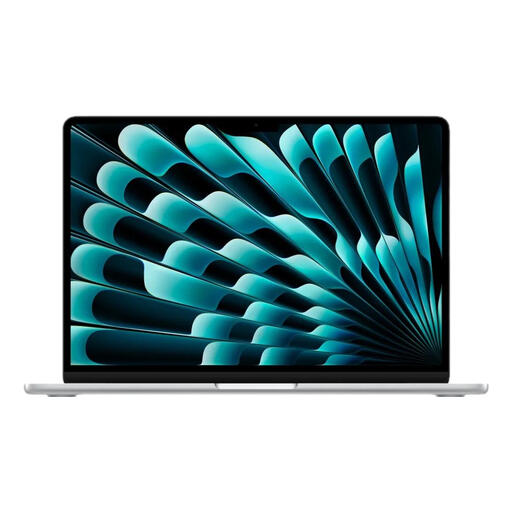
Apple 13-inch MacBook Air M5, 16 GB, 1 TB, Silver
This is a macOS-route candidate when your coursework supports Apple Silicon and you want a 13-inch laptop for a compact workspace. Its product name specifies an M5 chip with a 10-core CPU and 10-core GPU, 16 GB memory and a 1 TB SSD. Confirm the memory configuration and power-adapter contents for the item you order.
Joybuy
 No image available
Apple 15-inch MacBook Air M5, 16 GB, 1 TB, Silver
Consider the 15-inch format if your macOS-compatible coursework benefits from more laptop screen space at the desk. The named variant specifies an M5 chip with a 10-core CPU and 10-core GPU, 16 GB memory and a 1 TB SSD. Confirm that the item supplied matches that memory and storage variant, and check whether a power adapter is included.
Joybuy
 No image available
Lenovo IdeaPad Slim 3 83K7009MUK, Ryzen 5 7535HS, 24 GB, 512 GB
This Windows 11 Home model is worth checking if your coursework is Windows-first and you want a 15.3-inch laptop. Its named configuration includes an AMD Ryzen 5 7535HS, 24 GB DDR5 RAM, a 512 GB PCIe SSD and a WUXGA display. If your student-room setup needs a particular monitor or peripheral connection, confirm the exact ports before buying.
Joybuy
Common questions
Should I choose Windows, Linux or macOS for a command-line tool?
Choose the platform your module instructions, project dependencies and deployment target support. Windows may suit coursework that needs Windows applications alongside Linux tooling; native Linux suits confirmed Linux-compatible requirements; macOS needs explicit support for macOS and Apple Silicon where the laptop uses that processor platform.
Can I install Ubuntu on any laptop later?
Do not assume Ubuntu will work equally on every laptop. Canonical provides a certified-hardware catalogue and guidance on trying Ubuntu from a USB drive; check the exact model and required peripherals. For recent Apple Silicon machines, Canonical points to the community-led Ubuntu Asahi project, which it does not support, and warns that hardware support can vary.
What should I check when my laptop arrives?
Confirm the received configuration, keyboard layout and box contents before setting up your full development environment. Then check Wi-Fi, any external display, the required terminal and compiler, university login and software, and your backup or recovery arrangements; keep your order documentation while completing those checks.
What should I do with an old laptop?
Erase your personal data and use an appropriate electronics-recycling or retailer take-back route available in your area rather than putting the laptop in ordinary household waste. UK government guidance on waste electrical and electronic equipment describes a system intended to encourage recovery, reuse and recycling of products and components.


