What to check before buying
Confirm the course tools and the route from sensor to data file first. Then weigh memory, storage and screen space against how often you will carry the laptop.
| Concern |
What to check |
Who this matters to |
| Course compatibility |
Ask for the required software versions, operating system, processor architecture and sensor drivers; check the exact laptop configuration. |
If my course uses specialist applications or laboratory drivers, I need them to run on the machine I buy. Around 33% of consumers would make compatibility their primary concern. |
| Memory and local analysis |
For MATLAB on Windows, MathWorks lists 8 GB RAM as a minimum and recommends 16 GB and an SSD; assess larger workloads separately. |
When I analyse readings alongside other open applications, I want enough capacity for the work my module requires. Roughly 27% of consumers would put analysis headroom first. |
| Getting readings onto the laptop |
Identify the logger’s export format or connection method, then check the laptop’s ports and any required driver or adapter. |
I need a dependable way to bring readings from my sensor or logger into my analysis tool. Around 20% of consumers would prioritise that connection. |
| Carrying and desk use |
Compare screen size and weight with your travel routine; if using a monitor, check the exact laptop’s display connection. |
If I take the laptop to classes but work at a room desk, I need a setup I can carry and still use comfortably. About 20% of consumers would make that balance their main concern. |
Joybuy laptop options
These laptops offer different screen sizes and memory configurations for study in a student room. Check each candidate against your course software and the way your sensor supplies readings before choosing.
 No image available
ASUS Vivobook 15 X1504VA, Cool Silver
Consider this configuration if you want a 15.6-inch laptop for work at your room desk. Its name specifies an Intel Core 5 120U, 24 GB RAM and a 1 TB SSD; confirm your course software and sensor connection before buying.
View on Joybuy
 No image available
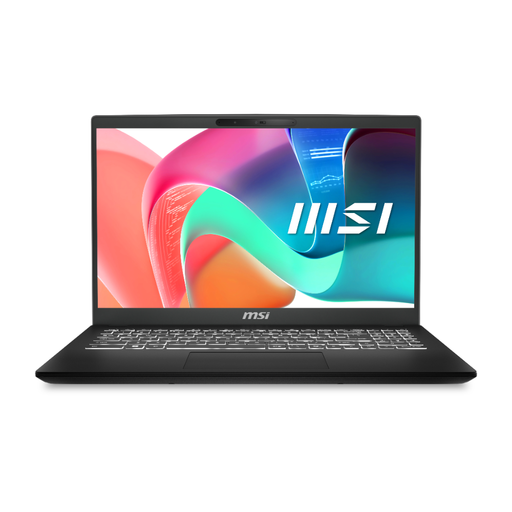
MSI Modern C2RMG-282UK, 9S7-15H431-282
For a room-based setup, this configuration pairs a 15-inch FHD screen with the 16 GB RAM and 512 GB SSD stated in its name. It also names an Intel Core 5 processor; check the precise course-tool and sensor requirements.
View on Joybuy
 No image available
Lenovo LOQ Essential 15ARP11, Ryzen 7 170 and RTX 5050
Consider the larger-screen format if most analysis happens at your desk, but assess how often you need to carry the laptop. Its name specifies 16 GB RAM, a 1 TB SSD and a 15.6-inch 144 Hz FHD display; those features alone do not establish that your course tools or sensor will work.
View on Joybuy
 No image available
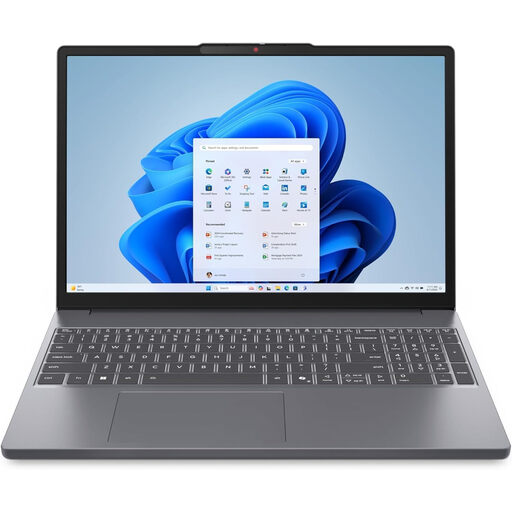
Lenovo IdeaPad Slim 3, 83K7009MUK, Grey
This is a Windows 11 Home option to assess for local study software. Its name specifies an AMD Ryzen 5 7535HS, 24 GB DDR5 RAM, a 512 GB PCIe SSD, a 15.3-inch WUXGA display and Wi-Fi 6. Check the exact physical ports against your sensor and any room monitor.
View on Joybuy
 No image available
ASUS Vivobook 14 X1407QA-LY003W, Quiet Blue
The 14-inch format may appeal if you carry your laptop regularly, but this Snapdragon X model needs a closer software check. Its name specifies 16 GB RAM and a 512 GB SSD. MathWorks notes that some MATLAB capabilities are unsupported on Windows ARM, so confirm your exact course tools and sensor drivers before choosing it.
View on Joybuy
Common questions
Should I choose Windows, macOS or Windows ARM?
Choose the operating system and processor architecture supported by your course software and sensor hardware. A Windows x86-64 laptop is the more direct route for a Windows-first department; use macOS only when the whole workflow is supported. MathWorks says MATLAB R2026b can run on certain Snapdragon X Windows ARM devices through Prism emulation, but some capabilities are unsupported.
Is 8 GB RAM enough for analysing sensor readings?
For MATLAB on Windows, 8 GB meets MathWorks’ published minimum, while 16 GB is its recommendation. Check the size of your datasets and which other applications you will run; neither figure guarantees enough memory for every workload.
Does my sensor need a particular laptop port?
That depends on how your sensor or logger delivers its readings. Identify whether you receive files, connect a device or need vendor software, then check the exact port, adapter and driver requirements. Python supports reading CSV files, but the export format still needs to match your workflow.
What if an online laptop purchase needs to be returned?
For most online orders, GOV.UK says consumers generally have 14 days after receiving an item to tell the seller they want to cancel, followed by another 14 days to return it. Remedies for goods that are faulty or misdescribed are separate from a change-of-mind cancellation, so keep the listing and order details if the laptop does not match what was promised.


