What should you check first?
The workstation-versus-Mac decision turns on your software architecture as well as your preferred operating system. In either route, confirm the installed configuration and whether its published display limit covers two external monitors.
Windows or Linux workstation
Consider it when: Your workflow needs x86-64 compatibility or a documented multi-monitor configuration. Lenovo specifies that the Intel ThinkPad P16v Gen 3 supports its built-in screen plus three external monitors.
Check the configuration: Installed RAM, storage, operating system and upgrade options can differ between listings in the same product line.
MacBook Pro with M5 Pro or M5 Max
Consider it when: You work in macOS and your essential tools have ARM-compatible versions. Apple states that M5 Pro supports up to two high-resolution external displays and M5 Max up to four.
Account for: Docker says amd64 containers require emulation on an arm64 host; its Linux container environment also shares the laptop’s resources with your other work.
| Concern |
What to check |
Who this matters to |
| Memory and storage |
Check installed RAM, upgrade options and SSD capacity against your databases, container assets and backups. |
If I run databases, containers and development tools together, I need room for all of them, not just the operating system. Around 42% of consumers put resource headroom first. |
| Two external displays |
Confirm the exact model’s independent-display limit and the resolution, refresh rate and connections required by your monitors. |
I want both desk monitors working alongside my laptop, so support for only one external screen would change my choice. For around 33% of consumers, confirmed external-display support comes first. |
| Platform compatibility |
Check the required operating system and whether essential images and dependencies support your chosen CPU architecture. |
My local environment needs to work with the tools and production architecture I use, even if another laptop has more memory. Platform fit is the primary concern for around 25% of consumers. |
Joybuy laptop choices
These laptops offer different stated memory and storage configurations for local work. Before choosing one for a two-monitor desk, confirm its exact external-display support and compatibility with your required operating system and tools.
 No image available
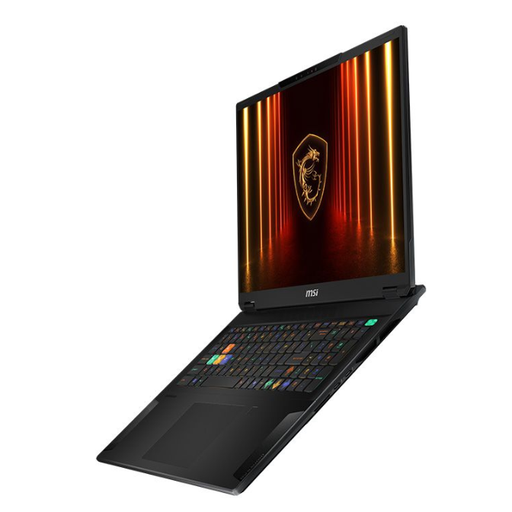
MSI Stealth 18 AI Studio A1VGG-001UK, Core Ultra 9, RTX 4070
Consider this configuration if your local files and services call for the listed memory and SSD capacity; confirm that it supports your two external monitors.
- 18-inch display; 32GB RAM; 2TB SSD.
- Intel Core Ultra 9 and NVIDIA GeForce RTX 4070.
View on Joybuy
 No image available
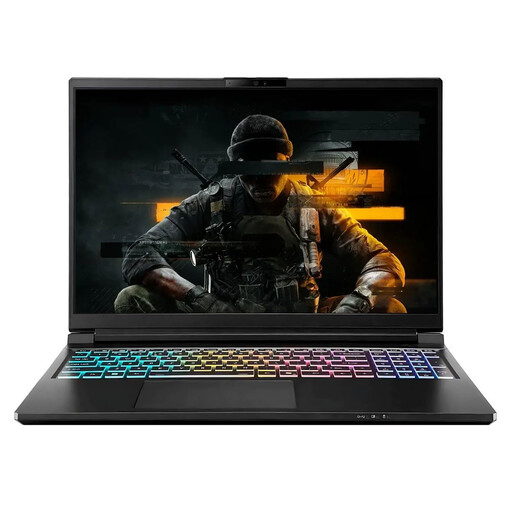
Stormforce Exobook 16 QHD+, Ultra 9, 32GB/4TB, 5080
Consider its stated storage capacity if you keep substantial local data and container assets. Confirm the exact installed configuration, operating system and two-monitor support before choosing it.
- 16-inch QHD+ display; 32GB memory and 4TB storage stated in the product name.
View on Joybuy
 No image available
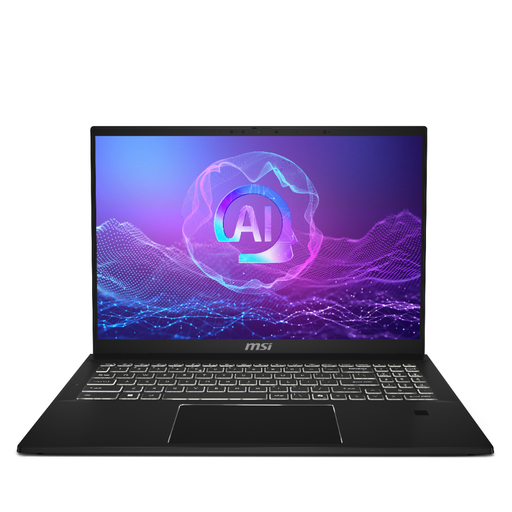
MSI Summit 16 AI Evo, Core Ultra 7 255H, 32GB/1TB
This is a 32GB configuration to assess for local development; check its display outputs and whether its memory meets your longer-term needs.
- 16-inch QHD+ 165Hz display; 32GB LPDDR5 RAM; 1TB SSD.
- Intel Core Ultra 7 255H with Intel Arc graphics.
View on Joybuy
 No image available
ASUS Vivobook 15 X1504VA, Core 5 120U, 24GB/1TB
If 24GB of installed memory suits your local workload, check whether this exact model can drive both external monitors and whether you may need a memory upgrade later.
- 15.6-inch display; Intel Core 5 120U; 24GB memory; 1TB SSD.
- Cool Silver variant.
View on Joybuy
 No image available
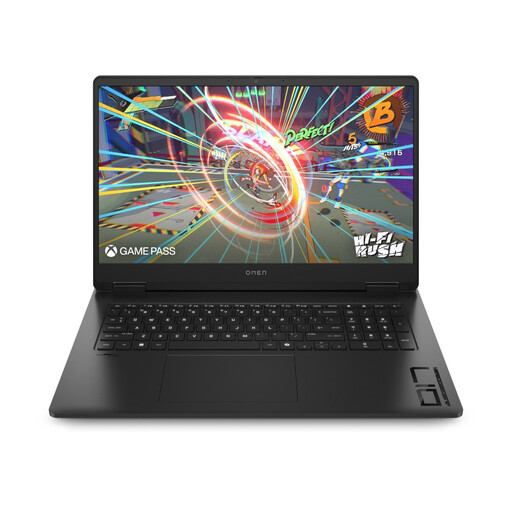
HP OMEN 17 17-db1000na, Ryzen AI 7 350, RTX 5060
Assess the listed 16GB memory against the number of databases, containers and development tools you will run together. Confirm memory-upgrade options and two-external-monitor support.
- 17-inch Full HD display; 16GB RAM; 1TB SSD.
- AMD Ryzen AI 7 350; RTX 5060; Windows 11 Home.
View on Joybuy
Common questions
Is 16GB RAM enough for local database work?
It may be enough for a particular workload, but do not treat 16GB as a default for several databases and containers running together. Docker specifies at least 4GB allocated to its Linux virtual machine for Docker VMM, while PostgreSQL, the operating system and your other tools also need resources; assess the services you plan to run concurrently.
Can any laptop with USB-C run two external monitors?
No: a USB-C port alone does not establish support for two independent external displays. Check the exact laptop’s published display limit, your monitors’ resolution and refresh rate, and the required cables or dock. Lenovo, for example, specifies support for the ThinkPad P16v Gen 3’s built-in screen plus three external monitors through Thunderbolt 4 and HDMI.
Will a MacBook Pro run my Docker database stack?
It can if your essential images and dependencies support the Mac’s ARM architecture, or if emulation meets your needs. Docker says amd64 containers require emulation on arm64 hardware. If you also need two external monitors, Apple specifies support for up to two high-resolution external displays with M5 Pro and up to four with M5 Max.
How much SSD space should I allow for local databases and containers?
Allow space for your planned database files, dumps, container images and backups as well as source code; the amount depends on what you keep locally. Docker says Docker Desktop on macOS stores Linux containers and images in a disk-image file whose maximum size and location can be managed in its settings.


